What you’ll learn about PMS rage vs. normal irritability:
- PMS rage is intense, cyclical anger that surfaces in the days before your period.
- Normal irritability usually has a clear trigger, like stress, lack of sleep, or hunger.
- PMS-related anger is tied to hormonal changes in the luteal phase of the cycle.
- Those changes can lower serotonin, which raises emotional sensitivity.
- Tracking your cycle helps you spot patterns and manage symptoms.
- Severe, recurring anger may point to PMDD and deserves medical attention.
If you have ever wondered, “Why am I so angry before my period?“, you are not alone. According to Women’s Health, three out of four menstruating women experience symptoms of PMS, or premenstrual syndrome, at some point in their lives. But not all irritability is hormonal. Plenty of us have days when everything feels annoying even when our cycle has nothing to do with it. So how do you tell the difference between PMS rage vs. normal irritability? Let us break it down.
What is PMS Rage?
PMS rage is not an official medical diagnosis. It is a term for the intense, disproportionate anger or irritability that shows up in the days before menstruation, usually about a week before your period arrives.
Blog continues after the ad.

According to the American College of Obstetricians and Gynecologists, PMS rage includes symptoms such as irritability, anger, low mood, and anxiety. If your anger feels sudden, overwhelming, or hard to control, though, it may point to Premenstrual Dysphoric Disorder (more on that later). For many women, PMS anger before period is what first prompts them to track their cycle.
On the days that feeling peaks, small physical comforts go a long way. Nua’s ultra-soft sanitary pads are designed to stay put and prevent rashes, so your period is not adding to the list of things winding you up.
PMS Rage vs. Normal Irritability
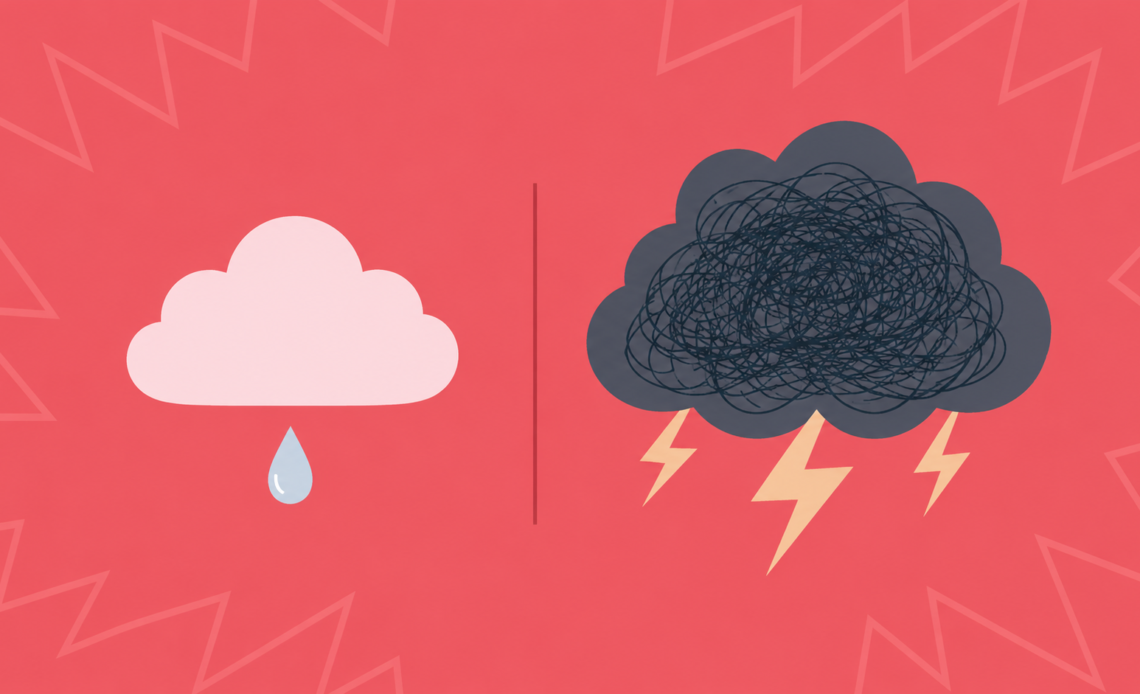
PMS rage and ordinary irritability can look almost identical from the outside. In both cases you feel short-tempered, impatient, or unusually sensitive to things that normally roll right off you. The real difference lies in pattern and intensity. Normal irritability usually has an underlying cause, like a bad night of sleep, a blood sugar dip, or weeks of stress, and it can also stem from depression or burnout. Once the situation eases, your mood settles.
PMS-related irritability behaves differently because it follows a cyclical rhythm, arriving at roughly the same point each month in the days before your period. That predictability is the clearest clue hormones are behind your short temper, and when you weigh PMS mood swings vs daily emotional intensity, the timing is what gives it away, not the feeling itself. PMS rage sits at the far end of this spectrum. It is sudden, out of proportion, and hard to rein in, and understanding PMS rage vs. normal irritability starts with knowing where PMS fits into the menstrual cycle.
When your patience is already paper-thin, the last thing you want to fight is your own period product. A pad that bunches or leaves you itchy only adds to the noise, which is why Nua’s ultra-thin, rash-free sanitary pads are built to sit quietly in the background.
Where in the Menstrual Cycle Does PMS Happen?
A typical menstrual cycle moves through four phases, the menstrual phase, the follicular phase, ovulation, and the luteal phase. You can read all about them here. The difference between PMS and regular menstrual cycle changes is simply this, PMS is not the whole cycle, it is a cluster of symptoms tied to one stretch of it.
PMS-related anger usually shows up during the luteal phase, after ovulation and before your period begins. During this window:
- Estrogen and progesterone rise, fluctuate, then drop sharply toward the end of the cycle.
- Those shifts influence neurotransmitters like serotonin, one of the body’s key mood-regulating chemicals.
- Lower serotonin is associated with irritability, low mood, and anxiety.
The science supports this.
A 2024 review in Frontiers in Psychiatry found that women with PMS tend to show lower serotonin activity during the luteal phase, and a clinical overview from the National Institutes of Health describes how shifting estrogen and progesterone disturb serotonin and feed mood changes. These luteal phase anger symptoms are not a personal failing, they are a measurable shift in brain chemistry.
There is a stress angle too. Research tracking mood and cortisol in daily life suggests the premenstrual phase can heighten how strongly women react to everyday stressors, so the same hormonal triggers of PMS rage symptoms feel amplified when you are already stretched thin. For some women this reads as irritability, for others as anxiety, sadness, or sudden anger, a kind of emotional hypersensitivity before period that is well documented. These hormonal mood swings symptoms are not in your head, they are in your bloodstream. If you want something to blame for your monthly mood swings, blame your hormones.
Knowing the science helps, but your body still has to get through the week. Small comforts count for more when your nervous system is on high alert, so a soft, skin-friendly pad from Nua that you never have to think about quietly takes one irritation off your plate.
Tracking PMS Rage in Your Menstrual Cycle
If you are not sure whether your anger is hormonal, tracking your cycle is the simplest way to find out. Patterns are far easier to spot when you are paying attention, and awareness on its own can soften how the symptoms feel. Keeping tracking PMS rage in menstrual cycle notes can move you from “why is every little thing setting me off” to “right, this is my luteal phase.”
You can do it with Nua’s Period Tracker, where you can record:
- Your mood on different days of the cycle
- When mood swings tend to hit
- When your mood settles back to normal
It may take a couple of months for a pattern to emerge. You might notice that irritability shows up like clockwork five days before your period and lifts once bleeding starts. Knowing your pattern lets you plan gentler days and respond with self-care instead of self-blame. Once you can see the rhythm for yourself, the whole question of PMS rage vs. normal irritability stops being a mystery.
Planning gentler days is easier when comfort is built in. A dependable pad that keeps you dry and rash-free through a long day is its own quiet form of self-care, which is exactly what Nua’s Sanitary Pads are designed for.
How To Manage PMS Rage
Handling PMS rage vs. normal irritability is less about fixing your mood and more about understanding its timing. Rather than overhauling your life, go back to basics.
- Prioritise sleep
- Eat at regular intervals to avoid blood sugar crashes. Whole foods over fast food can steady your mood, and easing off caffeine helps too.
- Cut whatever unnecessary stress you can.
- If your workplace has a menstrual leave policy, use it without guilt.
- When the anger does arrive, simple grounding techniques help, like stepping away from the trigger, taking a short walk, or breathing slowly.
- And yes, keep tracking your cycle, because seeing the hard days coming means you can plan around them instead of being ambushed.
Is My PMS Rage Actually PMDD?
PMDD, short for Premenstrual Dysphoric Disorder, is a severe form of PMS. Where PMS causes mood changes and irritability, PMDD brings far more intense emotional symptoms that can derail daily life. PMS is uncomfortable. PMDD can be debilitating. If you have caught yourself asking, Is my PMS actually PMDD, that instinct is worth taking seriously.
Common PMDD symptoms include:
- Severe mood swings
- Intense anger or irritability, the feeling many people call PMS rage
- Depression or hopelessness
- Anxiety or panic
- Real difficulty functioning at work or in relationships
When it comes to PMDD vs PMS symptoms, the dividing line is severity and impact on daily life. According to the Diagnostic and Statistical Manual of Mental Disorders, PMDD is diagnosed when at least five symptoms, including a core mood symptom like irritability or depression, appear before menstruation, ease once it begins, and meaningfully disrupt daily life.
If your emotions feel extreme or unmanageable every single month, do not brush them off. PMDD is a recognised mood disorder that needs medical attention. There is no cure yet, but it can be managed with medication and lifestyle changes.
When To Consult a Doctor
Occasional irritability before your period is common and completely normal. Still, knowing when to consult a doctormatters. It may help to speak with a healthcare professional if:
- Mood swings feel severe or unmanageable
- Anger or sadness disrupts your daily life
- Symptoms regularly affect work, relationships, or sleep
- You feel like a completely different person at the same time every month
- You have a gut feeling that something is off, whether PMDD or another concern
Only a qualified doctor can work out whether your symptoms stem from PMS, PMDD, or another condition, and walk you through ways to manage them.
Conclusion
Everyday irritability usually traces back to clear triggers like stress, lack of sleep, or hunger, and eases once those are addressed. PMS-related irritability follows a cyclical pattern instead, arriving before your period and lifting once it begins, with PMS rage at the sharpest end, more overwhelming and harder to control in the moment.
Learning to read PMS rage vs. normal irritability comes down to the pattern and intensity of what you feel. That awareness helps you respond with more kindness, manage your symptoms more effectively, and recognise when it is time to ask for support. Knowledge, as always, is power.
Disclaimer
The content of this article is provided for general informational and educational purposes only and is not intended to constitute medical advice, diagnosis, or treatment. The information shared is of a general nature and may not be appropriate for all individuals or specific circumstances. Readers should not disregard, delay, or substitute professional medical advice based on the information contained herein.
If you experience any symptoms, notice anything unusual, or have concerns relating to your health or overall wellbeing, you should consult a qualified healthcare professional. While every effort is made to ensure the information shared is accurate and up-to-date, Nua makes no representations or warranties, express or implied, regarding the accuracy, completeness, or suitability of the information provided and disclaims all liability arising from reliance on this content to the fullest extent permitted by law.