
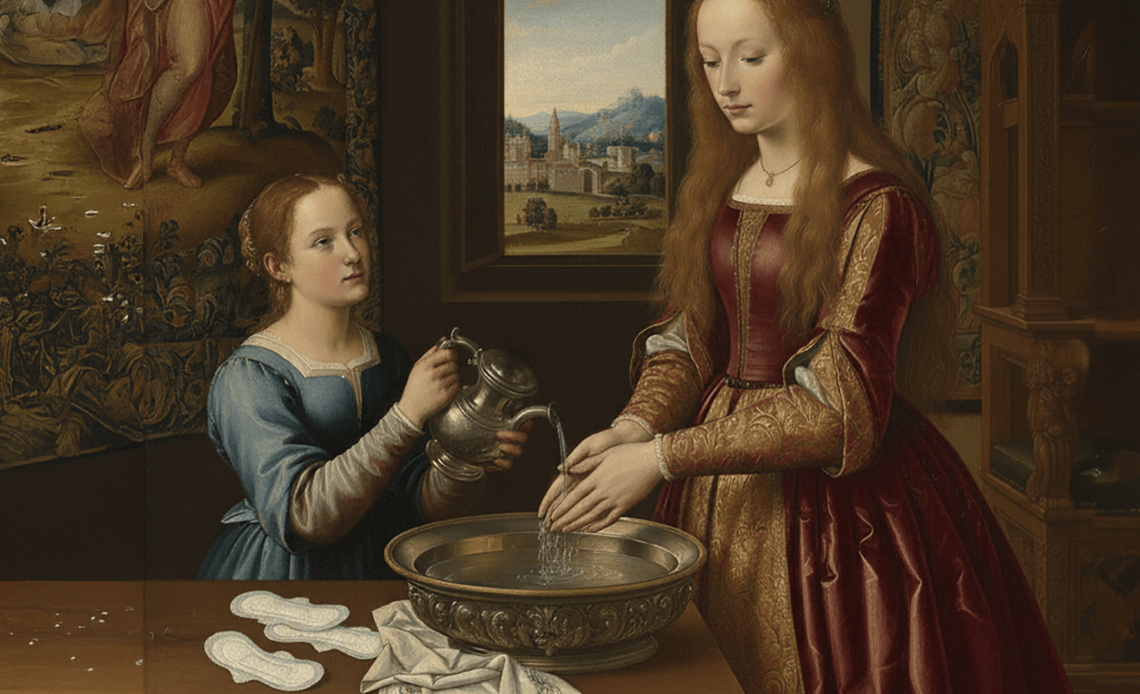
When we talk about menstrual hygiene, the conversation usually covers pads, tampons, cups, or period underwear. But there’s one step in the ritual that often gets overlooked — handwashing and menstrual hygiene. And honestly? That’s wild. Because hands are the first thing that touch our bodies, our pads, our cups, basically everything.
So today, on Global Handwashing Day, let’s take this moment to look at something that shapes every period experience but rarely gets airtime, and that is the role of clean hands in keeping us safe, comfortable, and infection-free.
Why Our Hands Matter More Than We Think
Think about how many things your hands touch in a single day. Door handles, your phone screen, money, the inside of your tote bag—you get the picture. All of those are playgrounds for bacteria and viruses. And god forbid you use the toilet and forget to wash your hands. According to research, hands can host anywhere from millions to billions of germs at any given time, including over 150 different species of bacteria. So when we handle pads or insert a tampon without washing our hands, we’re basically giving those germs a free ticket into one of the most sensitive parts of our body. And unlike the skin on our arms or legs, vaginal tissue is way more absorbent and delicate. That’s why hand hygiene for women isn’t just a “nice to have”, it’s essential.
According to the CDC, handwashing can reduce diarrheal illnesses by 23%–40% and respiratory illnesses like colds by 16%–21%. It can also reduce the risk of bacterial vaginosis, UTIs, and even some sexually transmitted infections.
Why Wash Hands Before Changing Pad?
Here’s the science-y part. When you touch a pad, tampon, or menstrual cup with unwashed hands, you transfer germs directly onto a product that stays in contact with your body for 6–8 hours. With tampons and cups, those germs go directly inside your body, which means they could be introduced straight into the vaginal canal. With pads, they sit against your vulva, urethra, and anus — three possible entry points for bacteria.
If you’re wondering why wash hands before changing pad, that’s the reason: handwashing is the simplest way to keep harmful bacteria from making that journey and causing irritation or infection.
Preventing Infections During Periods
UTIs, yeast infections, bacterial vaginosis—these are not fun, and they’re way more common than we think during menstruation. Why? Because period blood changes the vaginal environment, making it a little easier for bacteria to multiply. Combine that with poor hand hygiene and you’ve got the perfect storm. That’s why preventing infections during periods starts with the basics: washing your hands properly. Forget quick rinses. We’re talking soap, water, 20 seconds minimum.
If clean water isn’t available, carrying a small bottle of hand sanitizer in your bag can save the day too.
Why It’s Important to Wash After Changing a Pad
It’s not just about what happens before, washing after matters too. When you change a pad, you might get traces of blood on your fingers or under your nails. That blood isn’t harmful on its own, but it’s a perfect place for bacteria to grow if it sits on your hands for the rest of the day. Think about everything you touch afterward — your phone, your bag, food.
Without washing, you risk spreading germs back onto your body or to others. And if you’re dealing with an infection yourself, dirty hands with trace amounts of blood can actually pass it along to the people and surfaces you touch. Taking a minute to wash up right after changing keeps your hands clean, stops bacteria from spreading, and makes sure your period routine truly protects your health.
How to Wash Hands Before and After Periods
We all learned how to wash our hands in school, but let’s be real, most of us rush it. Here’s a quick refresher on how to wash hands before and after periods:
- Wet your hands with clean water.
- Use enough soap to cover every surface.
- Rub the back of your hands, between your fingers, under your nails. (Yes, actually scrub those nails!)
- Rinse thoroughly.
- Dry with a clean towel or air dry.
That’s it. Nothing fancy. But it makes all the difference.
Here’s a video for more clarity!
Period Hygiene Tips You Haven’t Heard Enough
We’ve all seen the usual period hygiene tips — change pads every 4–6 hours, don’t use fragranced products, etc. But let’s add hand hygiene into that mix. Here are a few you probably haven’t thought about:
- Always wash your hands before touching your cup or tampon, even if you just washed them 15 minutes ago.
- Keep travel-sized hand sanitizer in your bag for emergencies.
- If you’re in a public restroom and soap feels sketchy, carry your own small bar, liquid soap or even that paper soap we’ve all used in school (you know the one) in a pouch.
- Don’t just wash before changing, wash after too. Blood under your nails is not a vibe.
- Beyond hand hygiene, keeping your vulva clean is just as important for preventing irritation and infection. A gentle option like Nua Intimate Wipes can help freshen up your vulva during the day without disrupting your natural pH.
- And as part of your shower or daily routine, especially during your cycle, consider using Nua Foaming Intimate Wash. It’s made to support vulva health by keeping things balanced and comfortable without harsh chemicals.
The Bigger Picture
Talking about handwashing might sound almost too simple, but simplicity is powerful. Globally, millions of women don’t have easy access to clean water and soap, and that makes menstrual health even more complicated. By spotlighting handwashing and menstrual hygiene on Global Handwashing Day, we’re not just reminding ourselves of the basics—we’re acknowledging that this is a global health issue. Every girl and woman deserves access to both period products and clean water.
Final Touch (pun absolutely intended)
Periods already come with enough drama. Why add infections to the mix when the solution is literally at our fingertips? The next time you’re about to change a pad, insert a tampon, or adjust your cup, pause for a second. Wash your hands. Not because you’re dirty, but because your body deserves that level of care.
Hand hygiene isn’t just about preventing colds or COVID—it’s about owning our menstrual health in the most practical, no-nonsense way. And honestly? That’s what real self-care looks like.