The first time using a menstrual cup can feel like an existential crisis. Not because it doesn’t work, but because learning how to adjust a menstrual cup properly takes trial and error. And that’s the thing nobody talks about: even though cups are life-changing once the fit is right, the journey there can be messy, literally and emotionally.
So, if there’s frustration around leaks or confusion on how to get that secure menstrual cup fit everyone raves about, that’s valid! Here are five nuanced, no-BS menstrual cup fit questions you should ask yourself and tips that help adjust, reposition, and finally feel confident. Featuring Nua’s Menstrual Cup, a beginner-friendly design that supports a smoother, more intuitive experience.
Is the cup angled the right way for your body?
It’s not just about small, medium, or large. It’s about how the cervix sits, and how the cup complements that shape. On your period, it might sit lower. Some people have a naturally high cervix, meaning they need a longer cup, while others have a low cervix and need something shorter.
If the question is “how to adjust a menstrual cup so it doesn’t poke or leak?”, the answer often comes down to angle. Instead of inserting the cup straight up, try aiming it toward the tailbone. That’s where the vaginal canal naturally curves, and where the cup should sit comfortably.
If the cup never really ‘clicks’ into place or always feels off, repositioning might be the missing step. Learning how to reposition menstrual cup (here) based on individual anatomy is the key to unlocking consistent comfort.
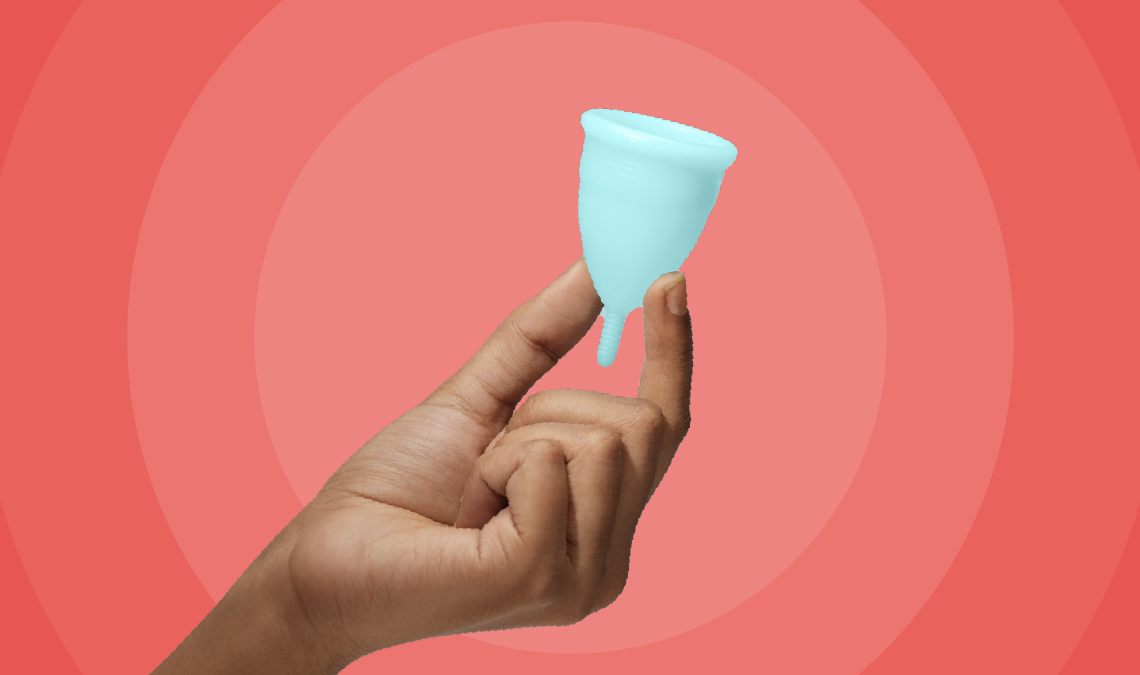
Nua’s Menstrual Cup is firm but flexible, making angling it easier without painful poking. The trimmable stem adds another layer of customization.
Should you twist the cup after inserting it?
If leaks persist even when the cup appears correctly placed, it might not have fully opened. This is a common issue and one of the easiest to resolve with a small twist.
Feeling around the base of the cup (yes, fingers are part of this process) can confirm whether it’s completely rounded or still dented.
After inserting, give it a gentle twist. This encourages the cup to unfold and lock into place. It’s a simple trick that often goes unnoticed.
Avoid over-twisting though, too much movement can compromise the seal.
Nua’s Menstrual Cup is designed to unfold easily and hold its shape, removing some of the guesswork that comes with softer cups.
Is it leaking or just full?
It’s easy to confuse a leak with overflow, but the fix depends on knowing the difference. If the cup is leaking and only partially full, the issue is usually a poor seal. Try removing and reinserting the cup, then run a finger around the base to check that it has fully opened and is correctly positioned. This simple check can drastically improve suction and prevent leaks.
If the cup is completely full and leaking, it’s a classic case of overflow. The solution here is to empty it more frequently, especially on heavy flow days. Keep track of how long it takes to fill and adjust the timing of changes accordingly.
Nua’s Menstrual Cup features measurement markings to help monitor flow and understand when it’s nearing capacity. This not only helps distinguish between leaking and overflow but also builds confidence in managing timing and fit. Identifying which issue is at play is the key to knowing how to fix menstrual cup leaks effectively.
How do you check if the cup is sealed properly?
A secure menstrual cup fit relies heavily on an intact seal, and several things can quietly break that seal: inserting the cup at the wrong angle, not letting it fully open, or even sudden pelvic floor contractions during intense workouts or stress.
If a seal gets compromised, the cup may shift or collapse slightly, leading to leaks without warning. To fix it, try reinserting the cup with a fold that suits your body best, and once it’s in, gently press or wiggle the base to allow it to fully expand (learn about the different folds here). For added stability, a subtle Kegel (learn how here) after insertion can help guide it into a more secure position.
How to adjust a menstrual cup is as much about muscle awareness as it is about placement. Being in sync with the body’s natural tension and movement is a game changer for leak-free comfort.
Can your cup fit change over time?
What works one month might feel completely off the next.
Hormonal shifts, sleep, exercise, and even stress levels impact how the pelvic floor holds the cup. You may need to revisit this blog even after months of smooth sailing.
That’s why flexibility in design matters. Nua’s Menstrual Cup strikes the right balance between firmness and structure, adapting with the body without collapsing under pressure.
Regular check-ins with fit and comfort are normal. Menstrual cup use isn’t about perfection; it’s about responsiveness and comfort.
Bonus Fixes If Issues Persist
- Use a water-based lubricant, especially useful on lighter days when natural lubrication is low.
- Squat while inserting, this position opens the vaginal canal and can aid with better placement.
- Warm up the cup slightly, running the cup under warm water before insertion can soften the material slightly, making it more flexible and easier to adjust into position without discomfort.
Real Talk: Cups Are a Practice, Not a Perfect
Getting it right can take a few cycles. That doesn’t mean failure, it means learning.
With reliable menstrual cup fit tips, patience, and a thoughtful product like the Nua’s Menstrual Cup, it all becomes easier.
Eventually, the leaks stop. Discomfort fades. And managing a period feels like less of a disruption and more of a quiet routine. Studies show that 73% of people who try menstrual cups want to keep using them. It becomes the most stress-free part of your period. Think zero irritation.
When someone eventually asks, “Does this cup thing actually work?”, the answer is a confident yes, grounded in real experience and self-knowledge.