What you will learn in this guide about natural ingredients in intimate wash:
- The vulva (outer area) and vagina (internal canal) are different. The vagina cleans itself, and the vulva is what actually needs gentle cleansing.
- Your vulvovaginal area maintains an acidic pH balance of around 3.8 to 5.0, which keeps lactobacilli thriving and harmful microbes in check.
- Regular soap is alkaline and disrupts this balance, raising the risk of bacterial vaginosis, yeast infections, and urinary tract infections (UTIs).
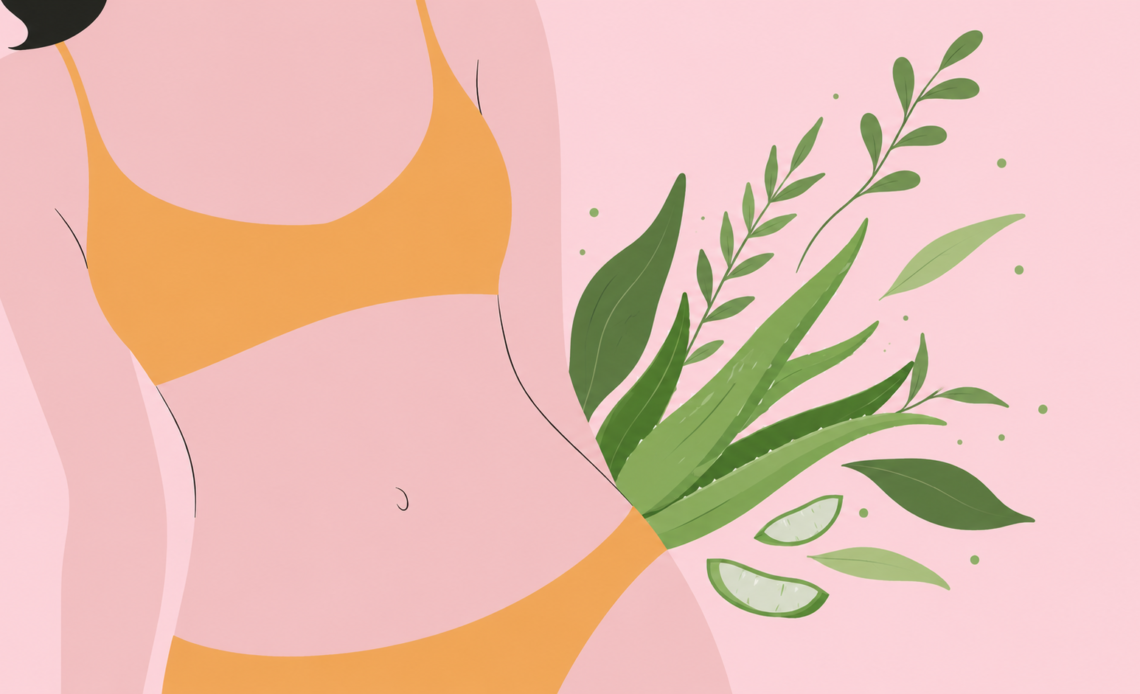
- Lactic acid mimics your body’s natural acidity, aloe vera hydrates and soothes, ashwagandha calms inflammation, licorice extract supports skin tone and fights oxidative stress, and olive oil seals in moisture.
- Avoid intimate cleansers with sulphates, parabens, artificial fragrances, dyes, or alcohols, they’re the most common irritants.
- Nua’s Foaming Intimate Wash is formulated around all five of these natural actives, with none of the harsh stuff.
We’ll spend twenty minutes deciding between two face serums, do the deepest dive on hair texture, and read every ingredient on the label of our body lotion. But ask anyone what they wash their intimate area with, and the answer is usually a shrug and whatever’s in the shower.
It’s strange, isn’t it? The part of our body that goes through the most — sweat, period flow, discharge, tight jeans, gym leggings, long workdays — is one that gets the least amount of concern. Intimate care gets treated like an afterthought, when really, it deserves a seat at the same table as every other part of your routine.
So let’s actually talk about it. Specifically, let’s talk about what your body is doing down there and why natural ingredients in intimate wash matter so much.
First, a quick anatomy refresh (because we’re sure your school skipped it!)
Here’s something most people get wrong, even the one who own both of these, the vagina and the vulva are not the same thing. The vagina is the internal canal. The vulva is the outer area, the part that’s actually exposed to your underwear, your sweat, and your cleanser.
This matters because your vagina is a self-cleaning powerhouse. It maintains a slightly acidic pH balance of around 3.8 to 5.0, and that whitish discharge you sometimes notice? That’s not a problem, that’s your body literally taking out the trash, flushing harmful bacteria and dead cells. The more we try to ‘clean’ the inside of the vagina, the more we tend to mess it up.
Blog continues after the ad.
The vulva, on the other hand, does need gentle cleaning. It’s exposed to friction, sweat, period flow, and everything else daily life throws at it. But, and this is the part that gets missed, the skin on your vulva is one of the most sensitive areas on your entire body. It’s thinner, more reactive, and far more easily irritated than the skin on your arms or your back.
Confused between Vulva and Vagina? Here’s the real difference. If you’ve never been walked through it before, this is worth a read.
Why your regular soap is actually bad for your initmate hygiene
Most soaps and body washes sit on the alkaline side of the pH scale. Your vulvovaginal area sits firmly on the acidic side. When those two meet, the alkaline cleanser wins and the delicate ecosystem your body has spent years carefully building gets thrown off in a single shower.
That acidic environment exists to keep lactobacilli — the good bacteria — thriving. Lactobacilli are essentially your body’s bouncers, they keep the wrong kind of microbes from settling in. When the pH balance tips, the bouncers lose ground, and that’s when the trouble starts.
A clinical review published in the Journal of Lower Genital Tract Disease confirms that the normal vaginal pH sits between 3.8 and 5.0, and that when lactobacilli are replaced by anaerobic bacteria, pH rises above 4.5, which is precisely the marker doctors use to diagnose bacterial vaginosis.
Using regular soap on your intimate area regularly can increase the risk of:
- Bacterial vaginosis: The most common cause of unusual odour and discharge in women of reproductive age.
- Yeast infections: Which create a maddening cycle of itching, burning, and thick white discharge.
- Urinary tract infections (UTIs): Because a disrupted microbiome makes it easier for unwanted bacteria to travel.
And here’s the catch most people don’t expect, even cleansers marketed specifically as feminine washes can be the problem. If they’re loaded with artificial fragrances, dyes, harsh sulphates, or alcohols, they can be just as disruptive (sometimes more so), because the perception of safety makes us use them more often.
Nua’s Foaming Intimate Wash works differently. It cleanses gently, supports your skin’s natural moisture, and leaves you feeling comfortable instead of confused about whether what you just used was actually safe.
So why natural ingredients for intimate hygiene?
The argument for natural ingredients in intimate wash isn’t really about being trendy or about everything natural automatically being better. It’s about pairing the right ingredients with skin that’s easily irritated.
The skin around your vulva doesn’t need a heavy-duty degreaser. It doesn’t need a cocktail of synthetic foaming agents to feel clean. What it needs is something that respects what’s already there — the moisture, the microbiome, the slightly acidic pH balance — and gently lifts away the day without stripping any of it.
That’s the whole job. A good intimate wash isn’t trying to do too much. It’s trying to do exactly enough.
Well-chosen plant-based hygiene products tend to do this naturally. Botanical ingredients usually come with built-in hydration, anti-inflammatory properties, and a gentleness that lab-engineered foaming systems struggle to match. They work with your body instead of overriding it.
Why Nua’s Foaming Intimate Wash is gentle on your skin?
Nua’s Foaming Intimate Wash was built around one simple idea, intimate care shouldn’t feel like a science experiment on your most sensitive skin. Every ingredient was chosen for a reason, and just as importantly, every ingredient that wasn’t needed was left out.
Here’s what you won’t find in it:
- Sulphates: The harsh foaming agents that strip moisture and disrupt your natural balance.
- Parabens: Preservatives your delicate skin honestly doesn’t need.
- Artificial fragrances: Synthetic scent compounds are one of the most common triggers for contact dermatitis on the vulva, and the umbrella term “fragrance” can legally hide dozens of unlisted chemicals.
And here’s what you will find, and why each one earns its spot.
1. Lactic acid
Lactic acid is the hero of the formula. It mimics the natural acidity of your intimate area, which means it helps maintain the exact environment lactobacilli need to thrive. More good bacteria means fewer opportunities for the harmful ones that cause bacterial vaginosis, odour, and irritation to take hold. It also helps reduce dryness and that vague day-long discomfort that’s hard to put your finger on.
Read more on how to maintain a healthy Vaginal pH balance. It’s one of those things that quietly affects so much of how you feel.
2. Aloe vera
Aloe vera is mostly water, which is exactly why it works here. It delivers lightweight hydration without weighing the skin down or leaving anything sticky behind. Paired with lactic acid, it helps prevent the irritation and odour that come from a disrupted microbiome.
It’s also the ingredient your skin will thank you for after a long day in tight jeans, a sweaty workout, or a wax appointment. Redness, itching, that low-grade post-friction discomfort — aloe vera is genuinely good at calming all of it down.
3. Ashwagandha
Ashwagandha in an intimate wash might sound unexpected, but it earns its place. This Ayurvedic herb has well-documented anti-inflammatory properties, which is exactly what easily irritated skin needs. It helps calm sensitivity, soothe redness, and bring a sense of comfort to skin that’s been through it.
There’s also something quietly thoughtful about including an ingredient traditionally linked to easing PMS-related discomfort, fatigue, and supporting better rest. Your intimate care touches more than just your skin — and the formula reflects that.
4. Licorice extract
Licorice extract contains active compounds like glabridin and liquiritin that have been studied for their ability to gently address pigmentation and dullness, concerns plenty of women have about the intimate area but don’t always feel comfortable bringing up. It also has antioxidative properties that protect against the oxidative stress your skin deals with every single day.
It’s not about changing how you look. It’s about your skin getting to feel healthy and cared for.
5. Olive oil
Olive oil might feel old-fashioned, but the science holds up beautifully. It’s rich in antioxidants and emollients, which means it soothes irritation while sealing in moisture. For skin that loses hydration easily — especially after shaving, waxing, or just a long, hot day — olive oil helps restore the moisture barrier without feeling heavy.
Five actives, all working together, this is what a thoughtfully formulated intimate cleanser actually looks like in practice. See the full ingredient list of Nua’s intimate wash and bring it home.
How to actually choose a safe natural intimate cleanser
Standing in a store aisle reading tiny ingredient lists is no one’s idea of fun. So if you take nothing else from this read, take this – a quick framework for what to look for and what to walk away from when you’re hunting for safe natural intimate cleansers.
What to look for:
- A pH between roughly 3.8 and 5.0 (sometimes written as “pH-balanced for intimate care” on the bottle).
- A short, recognisable ingredient list that includes lactic acid, aloe vera, or other botanical actives near the top.
- A clear “free-from” claim covering sulphates, parabens, and artificial fragrances.
- Soap-free and dermatologically tested (ideally gynaecologist-tested too).
How to actually use it:
- Use once a day, externally only. Never inside the vagina.
- Apply a small amount to your hand, foam it gently, and clean the outer vulva and surrounding area.
- Rinse thoroughly with lukewarm water, then pat dry with a clean, soft towel.
- During your period, you can use it twice a day if needed, but don’t over-cleanse.
- Skip the wash and just use water on days you’re feeling extra sensitive or after intercourse.
If you’re done second-guessing every label, this is the one to build your routine around. Make Nua’s Foaming Intimate Wash your daily go-to!
The Real Takeaway
Intimate care isn’t supposed to be complicated. It’s not supposed to involve a long ingredient list of things you can’t pronounce, or a faint anxiety every time you reach for a bottle in the shower. It’s supposed to feel like care — quiet, consistent, and exactly right for your body.
Your vulvovaginal region already knows how to take care of itself. It maintains its acidic pH balance, it keeps its good bacteria in check, it cleans itself in ways most of us were never taught. Our job is much smaller than we think: just don’t get in the way.
Choosing thoughtful plant-based hygiene products and natural ingredients in intimate wash formulas isn’t about chasing a wellness trend. It’s about recognising that this part of your body has been quietly doing the work all along — and the kindest thing you can do is meet it with something that doesn’t undo it.
So treat your intimate care like you’d treat your skincare. Read the label. Skip the harsh stuff. Pick something gentle, balanced, and made for the skin it’s actually meant to clean.
Because intimate care shouldn’t feel complicated. It should simply feel right — for you.
Disclaimer:
The content of this article is provided for general informational and educational purposes only and is not intended to constitute medical advice, diagnosis, or treatment. The information shared is of a general nature and may not be appropriate for all individuals or specific circumstances. Readers should not disregard, delay, or substitute professional medical advice based on the information contained herein.
If you experience any symptoms, notice anything unusual, or have concerns relating to your health or overall wellbeing, you should consult a qualified healthcare professional. While every effort is made to ensure the information shared is accurate and up-to-date, Nua makes no representations or warranties, express or implied, regarding the accuracy, completeness, or suitability of the information provided and disclaims all liability arising from reliance on this content to the fullest extent permitted by law.