What you will learn about period blood clots in this guide:
- Period blood clots are thick, gel-like pieces of menstrual fluid made up of blood, uterine lining tissue, mucus, and clotting proteins.
- Small, dark red clots in the first few days of your period are usually normal.
- Large, frequent clots or clots with very heavy bleeding and pain may be linked to conditions like fibroids, hormonal imbalances, or menorrhagia.
- Symptoms like soaking through pads quickly, prolonged bleeding, and fatigue can indicate heavy menstrual bleeding.
- Tracking your cycle, eating iron-rich foods, staying hydrated, and using the right period protection can help you manage heavy flow more comfortably.
- If you regularly pass large clots or experience unusual symptoms, it is important to consult a gynaecologist for proper evaluation.
Have you ever spotted a jelly-like clump on your pad mid-period and felt your stomach drop a little? You are so not alone. Noticing period blood clots can feel unsettling, especially when your body is already putting you through the wringer that week.
Here is the reassuring part. In most cases, those clots are a completely normal part of menstruation. Still, there are moments when big and frequent blood clots during periods can be your body’s quiet way of waving a small red flag.
So how do you tell the difference? It comes down to knowing what your body is actually doing, what counts as typical, and when something deserves a closer look. Let’s get into it, friend to friend.
What Are Period Blood Clots?
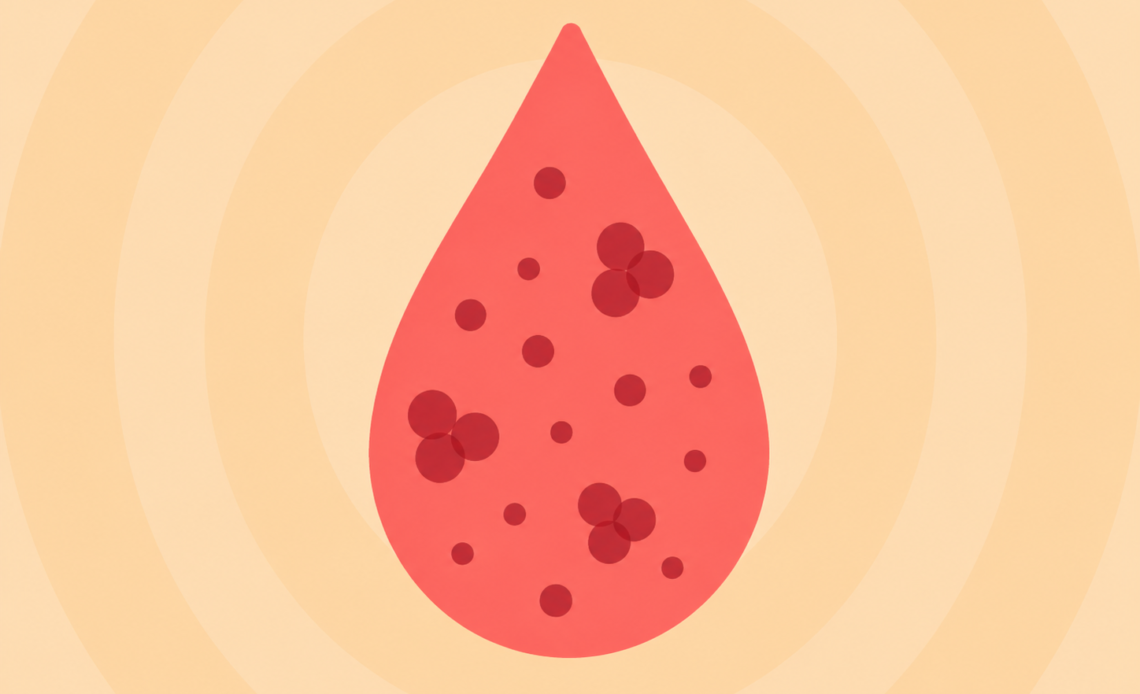
Period blood clots are thick, gel-like pieces of menstrual blood that form when blood collects in the uterus or vagina and coagulates.
During your period, your body releases anticoagulants to keep everything flowing smoothly. But when your flow is heavy, those anticoagulants cannot always keep up. The blood thickens and forms clots, usually on your heaviest days. According to the Mayo Clinic, when blood leaves the uterus faster than your body can thin it, clots are the natural result.
Blog continues after the ad.
So if you have been wondering whether something is wrong with you, breathe. This is your body doing exactly what it was designed to do.
On the days your flow feels relentless and you would rather not add leak anxiety to the pile, the right pad quietly carries that worry for you. Nua’s Complete Comfort Sanitary Pads soak up heavy flow, clots included, while staying ultra-thin and rash-free, so your period takes up a lot less of your headspace.
Why Do I Get Blood Clots During My Period?
During your period, your uterus sheds its lining, which means small blood vessels break and release blood. To stop you from losing too much blood, your body switches on its clotting crew of platelets and proteins. At the same time, it releases anticoagulants to keep the blood moving.
When your flow is light to moderate, this balance works beautifully. On heavier days, blood can leave the uterus faster than the anticoagulants can thin it, so it clots before it exits. That is the simplest way to understand the causes of blood clots during menstruation. You might also notice bigger clots first thing in the morning or after sitting a while, because the blood had time to pool and settle.
Are Blood Clots During Periods Normal, and What Size Is Okay?
Most of the time, yes, they’re okay. Small, occasional clots, especially in the first two or three days when your flow is heaviest, are usually nothing to worry about. Normal period blood clots tend to be dark red and smaller than a coin. When people ask about the normal size of period blood clots, that coin comparison is a handy mental ruler.
Things shift when clots are consistently large, say bigger than a ₹10 coin or around 2 to 3 cm, show up often, or come with very heavy bleeding or real pain. The CDC flags clots the size of a coin or larger as a sign your bleeding may be heavier than it should be. Large blood clots during periods can sometimes be linked to fibroids, hormonal imbalances, or bleeding disorders like menorrhagia.
If repeatedly passing big clots is making you anxious, that feeling is valid, and a gynaecologist can help you make sense of it.
Heavier days have a sneaky way of hijacking your focus, every bathroom trip turning into a quiet mental check. A pad that genuinely keeps pace, like Nua’s super-absorbent sanitary pads, means fewer of those checks and more room to simply be yourself.
Symptoms of Heavy Menstrual Bleeding
Research suggests roughly 1 in 5 women deals with heavy menstrual bleeding, and a 2024 review of Indian studies places the figure even higher in parts of India. So if this is your reality, you have company.
Your period may be heavier than typical if you:
- Soak through a pad or tampon every 1 to 2 hours
- Need double protection, like a pad and a tampon together
- Bleed for more than 7 days
- Pass large or frequent clots
- Feel tired, dizzy, or short of breath
That last one matters more than people realise. Heavy menstrual bleeding with clots can quietly drain your iron over time, which is why exhaustion so often tags along. If several of these sound like your normal, it is worth a real conversation with your doctor.
When your period is heavy enough to leave you wiped, the last thing you need is to poor period protection too. Letting a dependable, high-absorbency Nua Pad do the heavy lifting frees up the energy you would rather spend resting, not worrying about leaks.
How to Deal With Period Blood Clots
You can’t exactly switch period blood clots off, but you can make your whole cycle feel far more manageable. A few things that genuinely help:
Track your cycle to spot your patterns: Knowing what is normal for you makes it so much easier to notice when clot size, frequency, or flow suddenly changes. Your tracker quietly becomes your early warning system.
Stay hydrated: Water will not stop clots, but it can ease the cramps, bloating, and mood dips that make period days harder than they need to be.
Lean into iron-rich foods: Because heavy menstrual bleeding with clots can chip away at your iron, foods like leafy greens, lentils, and dates help keep your energy from crashing. Heavy bleeding and low iron go hand in hand, so this small habit does real work.
Rest when your body needs it: Heavy periods are genuinely tiring. Resting is not lazy, it is recovery, and your body has earned it.
Choose protection made for your heavier days: Clots love to show up when your flow is at its peak, often overnight when you least want to think about it.
When to See a Doctor for Period Clots
Consider booking a visit if you:
- Regularly pass clots larger than 2 to 3 cm
- Soak through your protection every 1 to 2 hours
- Have periods that stretch beyond a week
- Feel severe pelvic pain alongside heavy bleeding
- Notice ongoing fatigue, weakness, or dizziness
These can point to things like uterine fibroids, hormonal imbalances, endometriosis, or bleeding disorders. According to ACOG, heavy menstrual bleeding is common and very treatable, so reaching out is rarely the dramatic step it feels like. A healthcare provider can pinpoint the cause and build a plan that fits you. And if the gynaecologist’s office itself feels intimidating, this handy guide can take the edge off.
Closing Thoughts
Small, occasional period blood clots are simply part of many healthy cycles, especially on your heaviest days. But every body writes its own version of normal, which is exactly why tuning into yours matters so much. The better you know your own rhythm, the more steady and confident you can feel through every single cycle.
And if you ever pass large or frequent clots, or something just quietly feels off, trust that instinct and see an expert. Only they can hand you a clean bill of health. You deserve that kind of peace of mind.
Disclaimer
The content of this article is provided for general informational and educational purposes only and is not intended to constitute medical advice, diagnosis, or treatment. The information shared is of a general nature and may not be appropriate for all individuals or specific circumstances. Readers should not disregard, delay, or substitute professional medical advice based on the information contained herein.
If you experience any symptoms, notice anything unusual, or have concerns relating to your health or overall wellbeing, you should consult a qualified healthcare professional. While every effort is made to ensure the information shared is accurate and up-to-date, Nua makes no representations or warranties, express or implied, regarding the accuracy, completeness, or suitability of the information provided and disclaims all liability arising from reliance on this content to the fullest extent permitted by law.