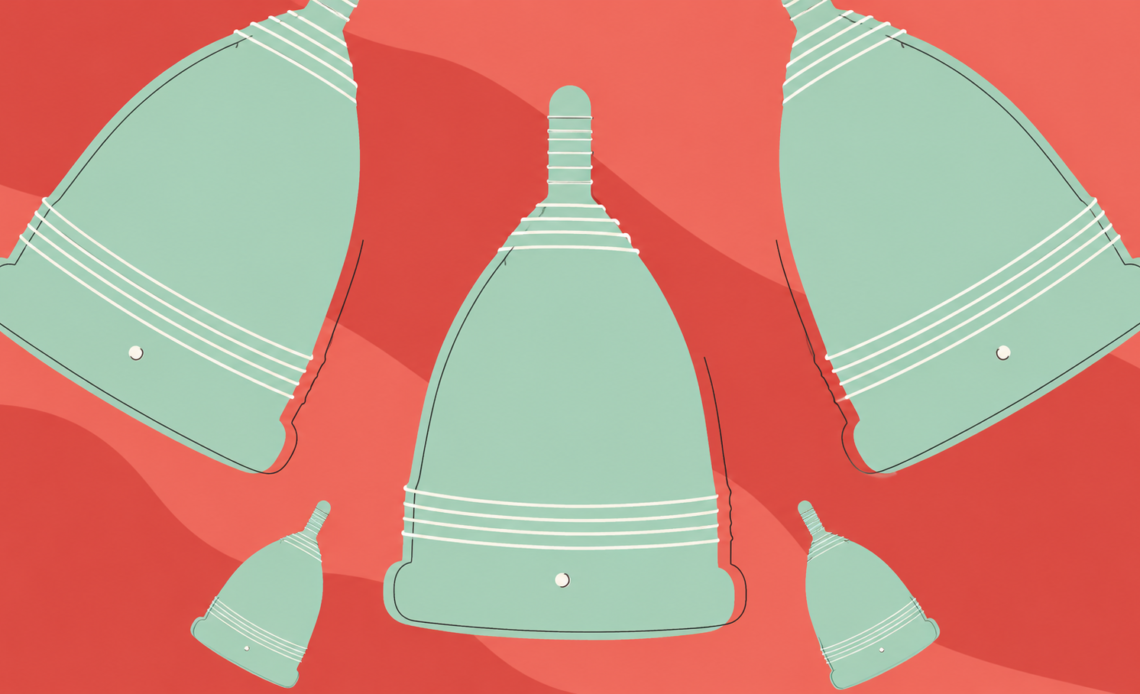
Wondering, “Can menstrual cups cause toxic shock syndrome?” Here’s what we’ll cover in this blog.
- Yes, menstrual cups can cause toxic shock syndrome (TSS), but the chances are extremely low, affecting fewer than 1 in 100,000 people per year.
- Toxic shock syndrome is caused by bacteria such as Staphylococcus aureus or Streptococcus pyogenes, which normally live harmlessly on the skin, but prolonged menstrual cup use can create conditions where these bacteria multiply and increase the risk of TSS.
- Signs of TSS include sudden high fever, vomiting or diarrhea, dizziness or fainting, fatigue, and a rash on the palms or soles.
- Following simple safety measures such as changing the menstrual cup every 4–6 hours, maintaining proper hygiene, sterilizing the cup, washing hands before use, and storing it in a clean, breathable pouch can help reduce the risk of infection.
Can menstrual cups cause toxic shock syndrome? Yes, they can. But before you dramatically toss your cup in the bin, the risk is extremely low, affecting fewer than 1 in 100,000 people each year.
For years, insertable period products have carried scary TSS warnings, which leaves a lot of people quietly wondering whether their cup is a hidden health hazard. The truth is, TSS is rare, widely misunderstood, and not limited to menstruating women. Men, children, and even people who never touch a period product can develop it under the right conditions.
So where do menstrual cups actually fit into all of this? Are they genuinely risky, or have the fears simply grown bigger than the reality? In this blog we will break down the most common misconceptions about cups and TSS, what really causes it, the symptoms to watch for, and how to use your cup safely without spiralling into panic mode.
Can a Menstrual Cup Cause TSS?
The honest answer is yes, but the chances are very low, fewer than 1 in 100,000 people a year. Actually, a 2019 review in The Lancet Infectious Diseases estimated the incidence of menstrual TSS at roughly 0.03 to 0.50 cases per 100,000 people.
Toxic shock syndrome is a rare but serious condition caused by bacteria such as Staphylococcus aureus or Streptococcus pyogenes. That sounds alarming, but here is the twist. These bacteria already live on plenty of healthy bodies without causing any problems. They naturally turn up on the skin and inside the nose, mouth, throat, and even the vagina. In fact, around 20 to 30% of people carry Staphylococcus aureus at any given moment and never know it.
Blog continues after the ad.
Problems begin only when these bacteria slip deeper into the body, through cuts, wounds, surgical incisions, or sometimes through the vagina. Once inside, certain strains can release toxins that affect organs like the heart, liver, or kidneys.
And despite what those period-product warnings imply, TSS is not a “women on their period” problem. Men, women, and children can all develop it. Skin infections, burns, wounds, and even nasal packing after surgery have triggered it too.
A well-made cup paired with good habits keeps your odds firmly in the safe zone. If you are choosing your very first one, Nua’s Medical-Grade Menstrual Cup is built around exactly that everyday kind of safety, soft enough to insert comfortably and simple to keep clean.
What Causes TSS While Using a Menstrual Cup?
Menstrual cups do not directly cause TSS. In rare situations, usually when a cup is left in for far too long, they can create the kind of warm, still environment where naturally present staph bacteria multiply and produce toxins that affect the body.
With that in mind, here are the things to avoid to keep the menstrual cup toxic shock syndrome risk as low as possible.
1. Leaving your cup in for too long
Bacteria love warm, moist places. Leaving a cup in well beyond the recommended window gives staph more time to multiply, which in rare cases can nudge the risk of TSS upward. The risk is still very small, but a cup is not a “set it and forget it” appliance.
2. Skipping proper cup hygiene
Staph already lives on your skin and inside the vagina without causing harm. The issue is when extra bacteria hitch a ride. If you insert or remove your cup without properly washing your hands, you can transfer more bacteria into the vaginal area. The same goes for the cup itself, because a cup that is not cleaned or sterilised between uses can hold onto bacteria before it goes back in. To learn how to clean a menstrual cup properly, read this.
3. Tiny tears and irritation
Inserting or removing a cup too roughly can occasionally cause tiny micro abrasions on the vaginal walls. In very rare cases, these small tears give bacteria or toxins an easier route into the bloodstream. This is exactly why you should use gentle, unhurried menstrual cup safe insertion techniques like folding the cup properly, relaxing before you insert it, and never yanking it out by the base.
A cup that actually fits your body makes gentle insertion and on-time emptying far easier to get right. Nua’s Menstrual Cup comes in two sizes so you can match it to your flow and anatomy, which quietly takes a lot of the guesswork out of when to empty it and how to handle it.
How Long Can You Safely Wear a Menstrual Cup?
You can safely keep one in for up to 8 hours. On heavier days, though, your cup may fill long before that and start to leak, which is your body’s not-so-subtle reminder to wash and reinsert. Many experts suggest emptying and rinsing every 4 to 8 hours depending on your flow.
Sticking to that rhythm is not only about comfort. It also supports better hygiene, which helps protect your overall vaginal health and keeps the already tiny risk of TSS even lower. If your cup feels full, do not ignore the cues. Unexpected leaks, pressure, discomfort, or a strange shifting sensation usually mean it is time for a bathroom trip, now rather than later.
With different flow needs in mind, Nua’s Menstrual Cups come in two sizes and are made from biocompatible, medical-grade material designed for comfortable insertion and better hygiene through the day.
TSS Symptoms You Should Never Ignore
Toxic shock syndrome tends to arrive suddenly, often within 3 to 5 days of using an insertable product, or after surgery, burns, wounds, or skin injuries. The tricky part is that the early symptoms can feel a lot like the flu, so it is easy to brush them off at first.
But unlike an ordinary fever, where your body just wants soup and sleep, TSS can escalate fast and become life-threatening if it is ignored. These are the signs of toxic shock syndrome worth knowing by heart.
- Sudden high fever, around 102°F (38.9°C) or higher
- A drop in blood pressure that causes dizziness, weakness, or fainting
- Vomiting or diarrhoea
- Muscle aches and body pain
- Headache
- Difficulty breathing
- Seizures
- A red, sunburn-like rash on the palms of the hands or soles of the feet
If you are menstruating and using an insertable product like a menstrual cup, tampon, or disc, and any of these symptoms appear suddenly, remove the product right away and seek medical help immediately. This is not a “maybe I will wait and see” moment, because early treatment genuinely changes outcomes.
What Happens If Someone Gets TSS?
TSS is a medical emergency and needs immediate treatment in hospital. If doctors suspect it, the first step is removing the source of infection, whether that is a menstrual cup, a tampon, or a wound dressing.
Treatment may include:
- Antibiotics to fight the infection
- IV fluids to support and maintain blood pressure
- Oxygen or breathing support if needed
- Medication to stabilise blood pressure and protect the organs
- Intensive care monitoring in severe cases
The reassuring part is that most people recover well when TSS is diagnosed and treated early. The same 2019 review noted that while menstrual TSS is serious, with an overall mortality of around 8%, it remains genuinely rare, which is why early recognition matters far more than constant worry.
Menstrual Cup Hygiene Tips To Avoid TSS
When menstrual cup hygiene tips are followed consistently, they cut down bacterial buildup and keep the already low risk of TSS even lower. Think of it as a simple rhythm across your whole cycle rather than a chore.
Before your cycle
Boil your menstrual cup for 4 to 5 minutes before its first use of the month. This clears surface bacteria and reduces the buildup linked to TSS risk. Avoid over-boiling, because it can damage the material. Use a dedicated pot, keep the cup from touching the sides or bottom, then let it cool and dry on a clean surface.
During your period
Always wash your hands thoroughly with warm water and mild soap before touching your cup, vulva, or vagina. Each time you remove and reinsert it, empty it and rinse with warm water and a mild, fragrance-free, water-based cleanser. This stops blood and moisture from sitting around for too long, which is exactly the kind of environment bacteria like. Avoid harsh products like bleach, alcohol, or heavily perfumed cleansers, because they can damage the silicone and irritate the vaginal lining.
After your period
Once your cycle ends, wash and sterilise the cup again before you put it away. Let it air dry fully, then store it in a clean, breathable pouch until your next cycle. Storage matters more than people expect, because damp, closed spaces encourage bacteria to grow over time. That is the whole reason hygiene across the entire cycle counts, and it is a big part of how to prevent toxic shock syndrome with menstrual cup use, the small, slightly boring steps done consistently.
Good habits are far easier to keep when your kit is built for them. Nua’s Menstrual Cup comes with India’s first self-disinfecting pouch, designed to destroy up to 99% of bacteria between uses, so the cleaning routine that protects you is mostly handled for you.
Menstrual Cup vs Tampons vs Pads: What Is Safest?
Unlike a menstrual cup, tampons absorb menstrual flow rather than collecting it. They should be changed every 4 to 8 hours, because leaving them in too long creates the same warm, moist conditions where bacteria can multiply. In rare cases, this is associated with an increased risk of TSS. The laboratory research mentioned earlier did not find cups to be inherently safer than tampons, so both deserve the same level of care.
Pads, on the other hand, sit outside the body and absorb flow externally. Because nothing goes inside, they are not associated with TSS-related risk. The trade-off is that some people find them less discreet, and they can sometimes lead to leaks or skin irritation. There is no single “best” period product. The right choice comes down to your comfort, your flow, and your lifestyle. To weigh pads, tampons, and cups in more detail, read more here.
So, is it safe to use a menstrual cup?
For the vast majority of people, yes, and the evidence backs that up. A landmark 2019 systematic review in The Lancet Public Health, which pooled data from thousands of users, found no increased risk of infection from cups compared with other period products, and only a handful of TSS cases reported worldwide. In other words, how rare is toxic shock syndrome with menstrual cups? Rare enough that millions of people use them every month with no problems at all.
If, after weighing it all, a cup feels like the right fit for your body and your routine, it is worth starting with one made to a high standard. Explore Nua’s Menstrual Cup to see the sizes and the material up close before you decide.
The Final Takeaway
So, can menstrual cups cause toxic shock syndrome? Yes, technically, but the risk is extremely low, especially when the cup is used correctly and cleaned well. The bigger thing to understand is that menstrual cups themselves are not “dangerous.” TSS is linked to certain bacteria that, in very rare situations, multiply and release harmful toxins into the body.
Simple habits carry most of the weight here. Washing your hands, sterilising your cup, changing it on time, and paying attention to anything that feels off all go a long way. And while the internet loves turning TSS into a full-blown horror story, the reality is gentler. Millions of people safely use menstrual cups every single day. Knowing the symptoms, understanding the actual risk, and practising good hygiene matters far more than panic-Googling every warning label at 2 a.m.
FAQs
1. Can menstrual cups cause toxic shock syndrome (TSS)?
Yes, menstrual cups can cause TSS, but the risk is extremely low. Following proper hygiene and changing the cup regularly can help keep the risk even lower.
2. How long can you safely wear a menstrual cup?
A menstrual cup can generally be worn for up to 8 hours, although you may need to empty it sooner on heavier-flow days. Many experts recommend emptying and rinsing it every 4–8 hours.
3. What are the symptoms of toxic shock syndrome?
TSS can cause sudden high fever, dizziness or fainting, vomiting or diarrhoea, muscle aches, headache, difficulty breathing, and a red rash on the palms or soles.
4. How can I prevent TSS when using a menstrual cup?
Wash your hands before handling the cup, clean and sterilise it regularly, avoid leaving it in for too long, and store it in a clean, breathable pouch between cycles.
5. Is a menstrual cup safer than tampons when it comes to TSS?
Both cups and tampons can carry a very low TSS risk when used incorrectly. Pads are not associated with TSS because they are worn externally rather than inserted into the vagina.
Disclaimer
The content of this article is provided for general informational and educational purposes only and is not intended to constitute medical advice, diagnosis, or treatment. The information shared is of a general nature and may not be appropriate for all individuals or specific circumstances. Readers should not disregard, delay, or substitute professional medical advice based on the information contained herein.
If you experience any symptoms, notice anything unusual, or have concerns relating to your health or overall wellbeing, you should consult a qualified healthcare professional. While every effort is made to ensure the information shared is accurate and up-to-date, Nua makes no representations or warranties, express or implied, regarding the accuracy, completeness, or suitability of the information provided and disclaims all liability arising from reliance on this content to the fullest extent permitted by law.