
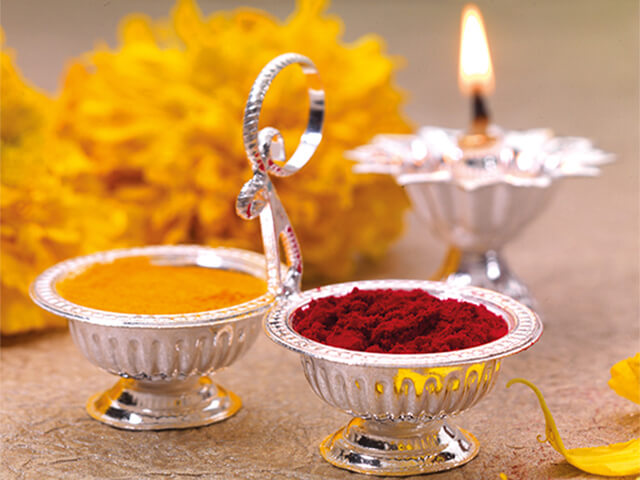
Haldi Kumkum is one of those traditions that quietly lives on in the corners of our social calendar/ It’s nostalgic, beautiful, and often misunderstood. Maybe you’ve attended a few. Maybe you’ve hosted one because your mom insisted. Or maybe you’ve always seen it as a ritual reserved for someone else. Someone older, married, more traditional.
But Haldi Kumkum isn’t just a ritual. It’s a moment for women to show up for each other in small, tangible ways. And as women of today—navigating independence, ambition, loneliness, burnout, joy—we deserve more of those moments.
So let’s talk about this tradition. Let’s unpack it, modernize it, and most of all, make it ours.
Why does Haldi Kumkum still matter today?
Between juggling work, WhatsApp groups, late-night emails, and remembering to put the food in the fridge, most of us are just trying to stay afloat. Then January rolls in. New year, fresh planner pages, Makar Sankranti… and if you’re from Maharashtra or the western parts of India, you know what’s next: Haldi Kumkum season!
As a child, I remember watching my mother turn into this glowing, joyful hostess every Sankranti. The living room transformed. Plates of tilgul.  The shimmer of silk sarees. Turmeric, kumkum, rosewater, and soft laughter as women exchanged blessings and gossip in equal measure. I didn’t fully get it then. It felt like a party for aunties. But now, standing where they stood, I see what they were doing, holding space for each other. A quiet but powerful rebellion against invisibility.
Plus, let’s not forget, this is also the only Hindu festival based on the position of the sun (not the moon) and it falls predictably around January 14th or 15th. This matters a lot to the modern woman. It’s the rare holiday you can plan around.
What is Haldi Kumkum and why is it celebrated?
Haldi Kumkum is a social and spiritual ritual where women apply turmeric (haldi) and vermillion (kumkum) to each other’s foreheads, wishing one another abundance, health, and well-being. It usually takes place during Makar Sankranti, a festival that marks the transition of the sun into Capricorn, an auspicious beginning for the year ahead.
The ceremony is believed to have started in the reign of the Peshwas, when the ladies of the royal families would invite their married friends over and offer expensive gifts of saris and jewellery. While the men were away fighting battles, the women used this time to dress up, step out, and bond over delicacies like kairi panha and vatli dal (here’s an authentic recipe). The Haldi Kumkum gathering gave them permission to be seen, heard, and celebrated. Sometimes multiple times over, depending on how many women you could invite or be invited by.
And honestly, not much has changed. We still crave connection, still love getting dressed up and still find joy in giving and receiving a little something—whether it’s a kitchen item, a bangle, or a period care hamper (like this one) that you know will be useful .
Is Haldi Kumkum only for married women?
Traditionally, yes. Married women (suhaagans) are both the hosts and the invitees. The haldi and kumkum symbolize marital bliss, longevity of husbands, or the hope of an ideal match. Unmarried girls could tag along, but only if they were accompanying a suhaagan. Widows, divorcees, or women who chose not to marry? Quietly excluded.
That always felt off to me. Like you needed a husband’s name to enter the room.
But times have changed and so have we.
Now, there are Haldi Kumkum gatherings where the guest list included single moms, divorced women, grandmothers, and twenty-somethings who had zero intention of marrying. No one asks intrusive questions. No one handed out pity or judgment. Just blessings, sweets, and joy.
And that’s what celebrating as a woman of today means. Rewriting the narrative so it doesn’t exclude anyone.
Blog continues after the ad.

How can we make Haldi Kumkum inclusive and modern?
Start with intention.
If you’re hosting, open it up. Invite women who make your life better, regardless of their marital status. Reframe the ritual: haldi and kumkum can be blessings of strength, love, and community. Skip the outdated meanings if they don’t resonate.
Give gifts that celebrate the woman, not the role she plays. Write a note, share a memory or simply say, “I’m grateful for you.” The whole point is to lift each other up!
Also, if planning events isn’t your jam, hire a Haldi Kumkum planner (yes, they exist!). Many women are now turning this into a thriving business: curated decor, eco-friendly packaging, artisanal sweets, and even themes.
What started as a domestic ritual is now a full-on entrepreneurial opportunity. Women now manage every aspect of the Haldi Kumkum show—from food to favours—with creativity and flair. Who better to curate thoughtful gifts, plan the menu, and set the vibe than another woman?
Is this festival becoming too commercial?
Well, a little. But also, let’s not act like we haven’t ordered overpriced mithai for Diwali or themed cakes for birthdays.
And frankly, if women are making money off traditions that were once used to confine them? Good! If someone builds a brand around creating beautiful, thoughtful Haldi Kumkum experiences? Let her thrive!
Just remember: no amount of aesthetic should replace authenticity. A meaningful ceremony can have both a Pinterest board and a purpose.
What’s the deeper meaning of Haldi Kumkum today?
For me, it’s become an annual ritual of reconnection. A chance to check in with my circle, even if it’s just over chai and tilgul. We talk about dreams, burnout, dating apps, parenting fails, book recs, business ideas. It’s a ceremony, yes, but one grounded in the everyday heroism of women simply being there for each other.
In a world that tells us we’re never enough unless we’re achieving, pleasing, sacrificing, Haldi Kumkum says, “You are already enough. Just as you are.”
So wear that saree or don’t. Host a Haldi Kumkum with all the traditional trimmings or throw together a casual get-together with haldi face masks and Spotify playing in the background. Light a diya or a scented candle.
Call the women in your life closer. Let them know they matter.
Because that, above all else, is the tradition worth keeping.
Conclusion: Tradition Meets Intention
Haldi Kumkum has always been about connection—between women, across generations, and within communities. But now we get to choose the tone. We get to decide whether it stays limited to marital status, or becomes something deeper, more powerful.
This isn’t just about reviving a ritual, it’s about reclaiming space. In a world that rarely celebrates women outside of their roles as wives or mothers, Haldi Kumkum can be our reminder that we are worth gathering for, worth blessing and worth pausing life for.
So whether you’re newly married, long divorced, happily single, or just figuring it out, this celebration belongs to you too.
Because the real tradition isn’t turmeric or kumkum, it’s sisterhood. And that never goes out of style.


These are very useful and informative tips !
Nossa esse site é excelente, gosto de ver
seus posts. Continue o excelente trabalho! Você já deve saber que,
muitas pessoas procuram textos sobre isso, você pode ajudá-los .