What you will learn about panty liners for incontinence in this guide:
- Bladder leaks are common, about 1 in 3 women experience them.
- They happen when pelvic floor muscles can’t fully hold urine, especially during coughing, laughing, or movement.
- Main types:
- Stress leaks (pressure like sneezing)
- Urge leaks (sudden need to pee)
- Common causes: childbirth, ageing, menopause, weak pelvic muscles.
- Early signs: slight dampness, frequent bathroom trips, mild odour.
- Panty liners help manage small leaks and keep you dry.
- Simple fixes: Kegels, hydration, less caffeine, don’t “just-in-case” pee too often.
Reading about panty liners for incontinence probably isn’t how you planned to spend your day. Most of us don’t grow up expecting that a laugh, a sneeze, or a sudden cough could turn into a tiny moment of urine leakage. And when it happens, the first feeling isn’t curiosity. It’s confusion, maybe a little embarrassment, and a quiet hope that it’s just a one-time thing.
But bladder leaks are far more common than we’re led to believe. Research shows that nearly one in three women experiences some form of urinary incontinence (UI) at some point in her life. That means millions of women are going about their perfectly normal days, working, commuting, exercising, laughing with friends, while quietly managing small leaks along the way.
Because no one really talks about it, it can feel like you’re the only one dealing with it. If this feels familiar, don’t worry. There’s plenty you can do to feel more comfortable and confident. Even simple protection like discreet incontinence liners can make everyday leaks easier to manage.
The Anatomy of a Leak: Why Urine Leaks Happen
To understand why urine leaks happen, picture your bladder as a stretchy, muscular balloon that stores urine throughout the day. At the bottom of this balloon is a narrow tube called the urethra, through which urine comes out when you go to the bathroom.
Surrounding this tube are the pelvic floor muscles. These muscles act as a firm, closed door that keeps urine securely inside until you decide it’s time to pee.
Blog continues after the ad.

A leak happens when the pressure inside the balloon becomes stronger than the door holding it shut. Sometimes it’s because your pelvic floor has weakened due to age, childbirth, or hormonal changes. Other times, it’s because your bladder gets an unexpected squeeze pushed through your pelvic floor, like from coughing, laughing, sneezing, lifting something heavy, or any sudden movement.
Whatever it is, it isn’t something that’s your fault. It’s simple biology and physics. And using breathable panty liners can help you stay dry and comfortable while you figure out what your body needs.
Types of Incontinence: Why Do I Leak Urine When I Cough or Laugh?
Not all leaks feel the same because they aren’t all coming from the same problem. Understanding the types of incontinence can help you figure out what’s going on. Some of us leak because our pelvic floor has weakened, while others leak because of bladder control or nerve signalling issues.
Interestingly, research shows that about 33% of women don’t just have one type of UI. They have mixed incontinence, which is essentially a combo deal of two or more types.
Stress Incontinence: This isn’t about emotional stress, it’s about the physical stress of a heavy bladder on a saggy pelvic floor. When you cough, laugh, or jump, you are physically shoving your internal organs down onto your bladder. If the pelvic floor isn’t strong enough to squeeze the urethra shut, a bit of urine escapes.
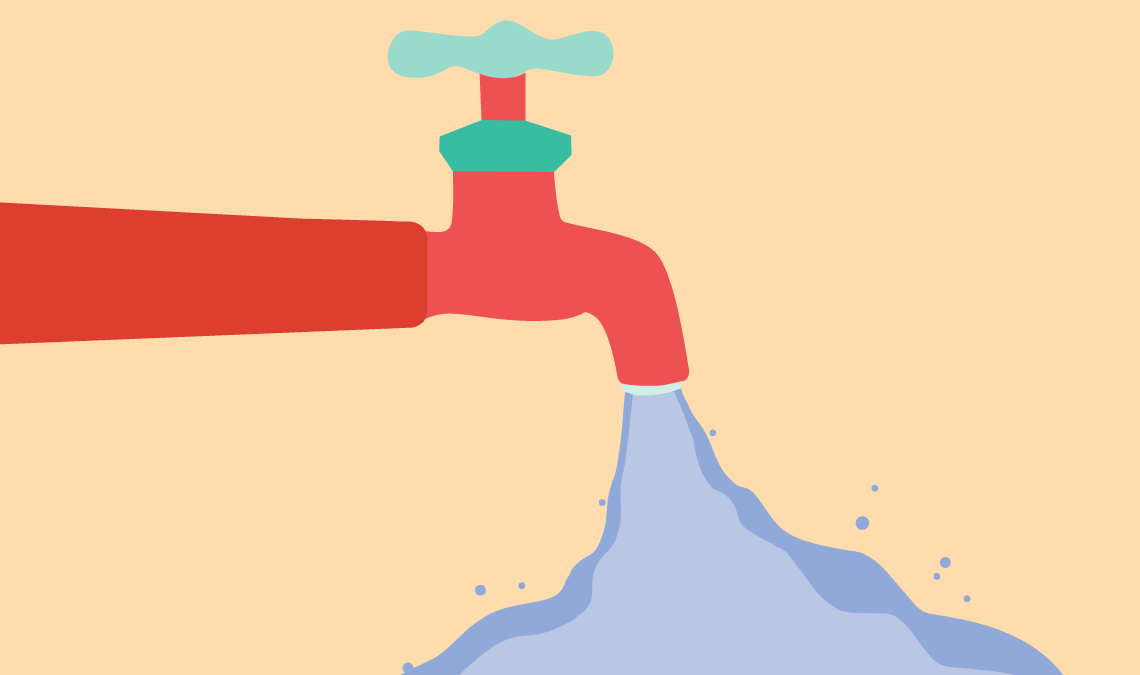
Urge Incontinence: This is less about your muscle strength and more about a nervous system that is overexcited, making you want to pee even when your bladder isn’t full. This creates that panicky ‘I need to go right now’ feeling. It is often triggered by things like the sound of a running tap.
Overflow Incontinence: This is a bit rarer for women, but it happens when the bladder doesn’t empty itself properly when you actually go to pee. Because it stays nearly full all the time, it eventually just overflows because there is physically no more room. You might feel like you are constantly dribbling small amounts of urine rather than having one big pee.
Once you know what’s happening, managing it gets a whole lot easier. This is what we made for days like those.
Causes of Incontinence in Women
There are a lot of reasons behind the causes of incontinence, and most of them are just part of being a human woman.
- Childbirth: Childbirth puts intense pressure on the pelvic floor muscles, stretching and weakening them and sometimes shifting the bladder from its normal position.
- Ageing: Muscles naturally lose strength over time, including the pelvic floor.
- Menopause incontinence: Estrogen is the glue keeping your urethral tissues strong. When menopause hits and estrogen levels change, those tissues get thinner and weaker.
- Weight gain: Extra abdominal weight increases pressure on the bladder and pelvic muscles.
- Constipation & straining: Regular straining during bowel movements puts repeated stress on pelvic support muscles.
- High Impact Habits: If you have been an athlete or a gym enthusiast for years, that constant and rigorous training eventually weakens the pelvic floor.
- Chronic Coughing: If you have allergies or a constant cough, that repetitive internal jolt is like a jackhammer to your pelvic floor, making it saggy over time.
- Nerve damage: Conditions like diabetes, spinal injuries, or neurological disorders can disrupt bladder control signals.
- Certain medications: Diuretics, sedatives, and some blood pressure medicines can increase urine production or reduce bladder control.
- Smoking: Long-term smoking can weaken connective tissues and often causes chronic coughing that strains the pelvic floor.
- Low physical activity: Weak core and pelvic muscles from a sedentary lifestyle can reduce bladder strength.
Incontinence Symptoms: What to Watch For
Incontinence symptoms aren’t always a gush of water. They can be subtle and easy to overlook.
- Leaking a few drops of urine when standing up, coughing, laughing, or moving after sitting for a long time
- Going to the bathroom frequently ‘just in case,’ even without a strong urge
- Waking up more than twice at night to urinate (night-time urgency)
- A constant feeling of slight dampness in your underwear
- Noticing a mild urine odour that wasn’t present before
If these signs sound familiar, panty liners for incontinence can help so leaks don’t stop you from going out, laughing freely, or enjoying your day.
Recognising the signs is step one. Staying comfortable through them is step two. No more second-guessing your day. See what daily protection actually feels like.
How Panty Liners Help with Incontinence
Understanding how panty liners help with incontinence starts with knowing what sets them apart from regular period products. Panty liners for incontinence are made to handle small, unexpected leaks while staying discreet enough for everyday wear.
Unlike products meant for menstrual flow, liners for bladder leaks are designed to quickly absorb watery fluid and lock it away from the skin. This helps prevent dampness, irritation, and that uncomfortable wet feeling that can linger throughout the day.
Most women (and even scientists) prefer liners that are breathable panty liners that are also ultra-thin, like Nua’s Everyday Comfort Panty Liners. They’re just 1mm thin panty liners for leaks, super-absorbent, with cloud-soft topsheets for 4x comfort and 100% toxin free. So whether you’re commuting, exercising, laughing with friends, or simply moving through a busy day, Nua’s liners always have you covered.
If you want to learn about how to use a panty liner for urinary incontinence, we have a full guide here.
Tips to Prevent Leaks: How to Train Your Bladder
There are a few things you can do to train your bladder to actually behave and prevent urine leaks.
- Avoid extra bathroom trips and wait for a real urge so your bladder learns to hold.
- Gently squeeze pelvic muscles before coughing, sneezing, or laughing.
- Limit caffeine, alcohol, and very spicy foods, which can agitate the bladder.
- Stay hydrated (2L water/day), as concentrated urine can irritate the bladder.
- After peeing, lean forward and wait 10 seconds to empty the bladder fully.
- Do Kegel exercises at home daily. You can read our blog here for the top 3 ones that strengthen your pelvic floor.
Why You Shouldn’t Ignore Incontinence
Ignoring urinary incontinence can affect both your physical comfort and your confidence. Staying damp can irritate the skin and increase the risk of rashes or infections, while the fear of leaks can quietly hold you back from everyday moments, like laughing freely, staying active, or feeling at ease in social spaces.
The truth is, bladder leaks are common, manageable, and nothing to be ashamed of. Understanding why they happen, noticing the signs, strengthening your pelvic floor, and using daily panty liners protection can help you stay dry and comfortable through the day.
Your body has done a lot for you. Supporting it with the right care is not overreacting, it’s simply looking after yourself.
Have any more questions on urinary incontinence? List them in the comments, and we’ll get back to you.
Disclaimer:
The content of this article is provided for general informational and educational purposes only and is not intended to constitute medical advice, diagnosis, or treatment. The information shared is of a general nature and may not be appropriate for all individuals or specific circumstances. Readers should not disregard, delay, or substitute professional medical advice based on the information contained herein.
If you experience any symptoms, notice anything unusual, or have concerns relating to your health or overall wellbeing, you should consult a qualified healthcare professional. While every effort is made to ensure the information shared is accurate and up-to-date, Nua makes no representations or warranties, express or implied, regarding the accuracy, completeness, or suitability of the information provided and disclaims all liability arising from reliance on this content to the fullest extent permitted by law.