
You just brought a tiny human into the world. Now life is all about cute onesies, tiny socks and that new-baby smell. Yes, yes, yes to it all. But alongside this heart-melting joy, there’s the reality of postpartum recovery. Your hormones are all over the place and your body feels like it’s not your own. You’re shedding hair, breaking out and waking up drenched in sweat. It’s a lot.
When you’re running low on energy (and patience), postpartum and hormonal supplements can sound like the perfect fix for all of it. But the problem? The world of supplements is a loud, confusing place. It’s packed with slick marketing, half-truths and wild promises.
So, let’s cut through the noise and understand what actually works and truly makes a difference in your postpartum recovery.
First Things First, Get Your Nutrients
The postpartum supplements that actually do make a real difference are the nutritional ones. Pregnancy, childbirth and lactation are the most nutritionally demanding periods in a woman’s life. Your body has literally built another human from its own nutrient reserves. Your account is officially overdrawn. So, it’s time to pay back your biological bank account with the right nutritional support.
1. Don’t Ditch Your Prenatals Just Yet
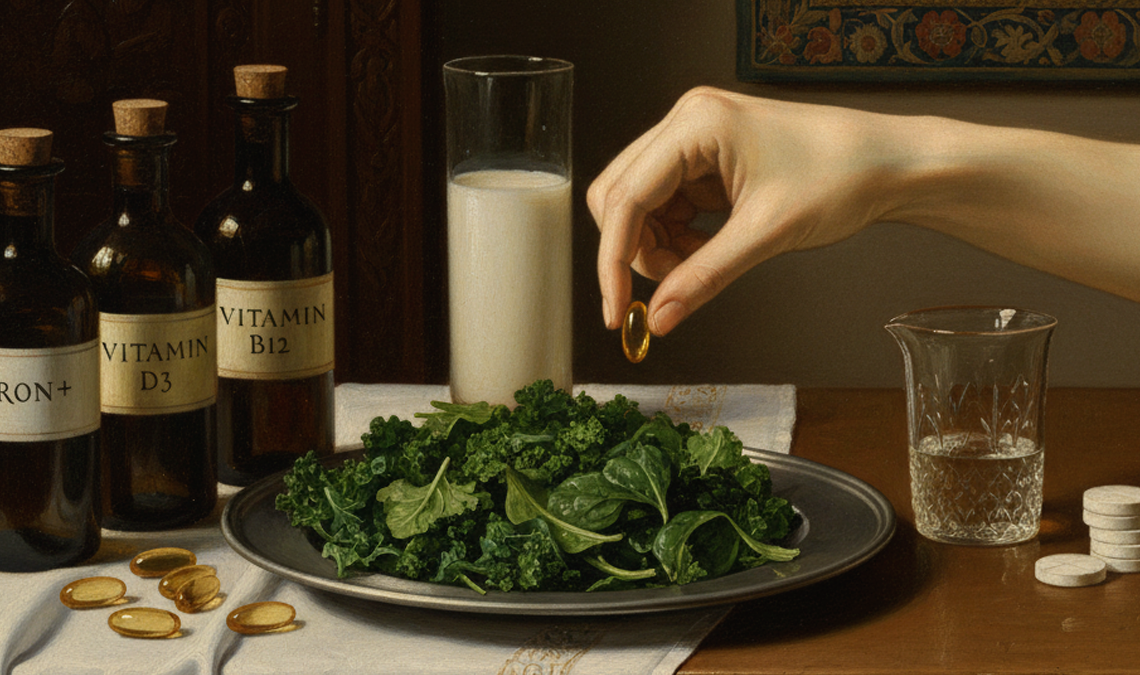
Your prenatal supplements with Folic Acid (for cell repair), Vitamin B12 (for energy and neurological function) and Vitamin D (for mood and immune support) are your pregnant body’s quiet helpers. But their job doesn’t end once the baby arrives.
Your body’s demand for these nutrients is actually higher now than when you were pregnant, especially if you’re breastfeeding. It’s working overtime to heal tissues, support lactation and simply function through sleep deprivation. Studies show that during postpartum, your energy need is 640 kcal/day, which is more than double what you needed during pregnancy.
So, don’t pack away your prenatal supplements with your maternity clothes just yet. Continue them for at least the first six months postpartum for a steady baseline of all the essentials.
2. Iron for When You’re Too Tired to Be Tired
You lose a lot of blood during childbirth. Like a lot. As per research, it’s somewhere between 0.5-1L. This can easily lead to iron-deficiency anemia, which is the primary reason behind that soul-crushing postpartum fatigue. It’s a specific kind of exhaustion that makes you feel heavy, weak and can come with a mood that mimics or worsens “baby blues.”
While leafy greens are a great iron source, you’d have to eat a bathtub full of them to make a real dent. Most prenatal supplements already contain iron, but it might not be enough for the postpartum needs. Check with your doctor to see if your current dose is enough. If not or if you’ve chosen to stop prenatal supplements, taking an iron supplement can help replenish your stores and get your energy back on track.
3. Omega-3 (DHA) is Your Antidote to the Mom Brain
Can’t find your keys? Put your phone in the fridge? Welcome to mom brain. Yes, it’s real and it happens due to a lack of this nutrient called DHA. If your brain is a high-speed computer, DHA, an omega-3 fat, is like the wiring that keeps it running. But during pregnancy, your baby’s brain took a lot of this wiring (approximately 67 mg of it) to build itself, leaving your system a little short-circuited.
While this happens to mothers everywhere, research has found that DHA intake among pregnant women in India is often one of the lowest. Many prenatal supplements don’t include DHA or include it in small amounts. If you continue your prenatal after delivery, check to see if it’s there in the right amount. And if not, then taking a separate DHA supplement postpartum is an incredibly easy way to meet the required levels (200–300 mg daily) and clear away some of that brain fog.
4. Magnesium is the Ultimate Calming Mineral
If you add one thing to your routine, make it magnesium. Research shows that this powerhouse mineral is needed for over 300 bodily processes. But it gets burned through rapidly during times of stress (and what’s more stressful than labor and a newborn?).
Even if your prenatal contains some magnesium, postpartum needs are often higher than that (310–320 mg per day). Supplementing with Magnesium Glycinate can help relax tight muscles (hello, aching back and shoulders), ease anxiety by calming the nervous system and improve sleep quality. Just remember to take it only during the evening because it can make you kinda sleepy really quickly.
The Plant-Based Aisle of Postpartum Supplements
Time to step into the wellness world’s favourite corner, the plant-based aisle. It’s filled with beautifully packaged bottles and promises of magical, ancient herbs. But just because something comes from a plant doesn’t automatically make it safe, especially when you are the sole food source for a tiny, developing person.
So, let’s separate the genuinely helpful from the overhyped.
1. Plant Protein is Your Hero of Healing
Your body needs protein to heal everything from stretched-out belly muscles to C-section incisions or perineal tears. It’s also what keeps your blood sugar stable, preventing those awful energy crashes that can trigger a meltdown (yours, not the baby’s).
However, getting enough protein when you have zero time to cook is tough. And that’s why a clean, simple plant-based protein powder is the best. You can just shake it up with some water or milk and give your body the raw materials it needs to repair itself.
2. Ashwagandha and Shatavari
You’ll see these herbs everywhere, promising to balance your hormones and calm your stress. Ashwagandha is said to soothe your adrenals, Shatavari is a classic for female health and Chaste Tree is used to regulate hormonal cycles.
But the brutally honest truth is that we don’t have good safety data on these for breastfeeding mothers. So, as tempting as they sound, the safest approach is to wait until you’re done nursing or check with a qualified healthcare professional before adding them to your routine.
What About Supplements That Support Your Baby’s Growth?
If you’re breastfeeding, you’re basically a 24/7, all-you-can-eat diner. It’s an incredible, beautiful thing, but it’s also a massive nutritional job. Your amazing body will pull everything it needs from your own system to produce that liquid gold called breastmilk.
So, for the baby to get the best and for you not to be left running on empty, supplementing with iodine, choline and biotin can help, especially since these are often missed or low in prenatal supplements. Iodine is non-negotiable for building your baby’s tiny, brilliant brain and metabolism. Choline is also on the brain-development team. And Biotin (one of the B vitamins) helps your body turn food into desperately-needed energy while also being passed along to your baby.
Quick side note: These nutrients are generally safe and recommended postpartum, but it’s always a good idea to check with your doctor to see what dose is right for you and your baby.
To Hormone or Not to Hormone? That’s the Question
During pregnancy, your body was a hormonal powerhouse, with estrogen and progesterone levels at an all-time high. These hormones were the architects of your baby’s temporary home, the builders of the placenta, and the reason your hair was the thickest and skin was the shiniest it’s ever been.
But the moment your baby and the placenta are delivered, those hormone levels don’t just drop, they plummet. It’s the most abrupt hormonal shift a woman’s body will ever experience. So, it’s only natural to wonder if you can just… replace the hormones you lost.
The answer is, maybe, but this is a doctor’s office conversation, not a wellness blog solution. Some doctors may prescribe bioidentical progesterone or low-dose estrogen if tests show your levels are critically low and are causing severe symptoms like PPD or postpartum anxiety.
This is a super serious medical decision. It is not something you should ever guess at or order online. Messing with your hormones without knowing exactly what’s going on can do more harm than good. If you feel you’re in that dark a place, please call your doctor and before taking any hormonal supplements yourself.
Blog continues after the ad.
Gummy, Pill or Powder? What’s the Best Way to Take a Supplement?
Honestly, the best supplement is the one you’ll actually remember to take because, without consistency, a supplement can’t really do much.
- Pills and capsules are usually the most potent ones and have the least amount of unnecessary add-ons in them.
- Gummies are tasty, which helps you remember, but check the label. They can be full of sugar and often have lower doses of what you actually need.
- Powders or liquids are great if you hate pills. You can mix them into a smoothie or just chug them in some water.
The most important thing is finding a supplement you trust. Look for one that’s undergone third-party quality testing and has certifications like FSSAI, GMP (Good Manufacturing Practices) or even NSF/USP for international standards. Also, make sure it contains no nasties and has some clinical evidence backing it.
The Best Supplement is Self-love
No supplement is going to magically give you eight hours of sleep and there’s no pill that can help you skip postpartum recovery completely. All they can do is give your body the raw materials it desperately needs to heal. The best way to put it is that they can’t run the race for you, but they can hand you water and fuel along the way.
So, ultimately, this is a time for some self-love and patience. Be kind to your body for what it’s been through and to your mind for what it’s going through. You are in the middle of the hardest, most beautiful transformation you’ll ever experience. Keep telling yourself you’re doing an amazing job, because trust us, you are.
If you’ve any more questions on postpartum recovery, we have a full piece on it right here. But if there is any other supplement you’re confused about, drop them in the comments and we’ll get back to you.