What you’ll learn from this guide:
- Why do my breasts leak when I’m not feeding? Because prolactin doesn’t follow your schedule. Emotional triggers, sensory cues, and supply-demand calibration all play a role.
- The let-down reflex is governed by oxytocin, which responds to warmth, emotion, sound, and stress, not just your baby’s hunger.
- Breasts leaking not breastfeeding can persist for weeks after weaning. This is normal, but anything longer than a few months should be mentioned to a doctor.
- Seek medical advice if discharge is discoloured, smells unusual, or is accompanied by pain, fever, or lumps.
- Good nursing pads are not a luxury. They are the most practical and effective tool you have for managing this daily.
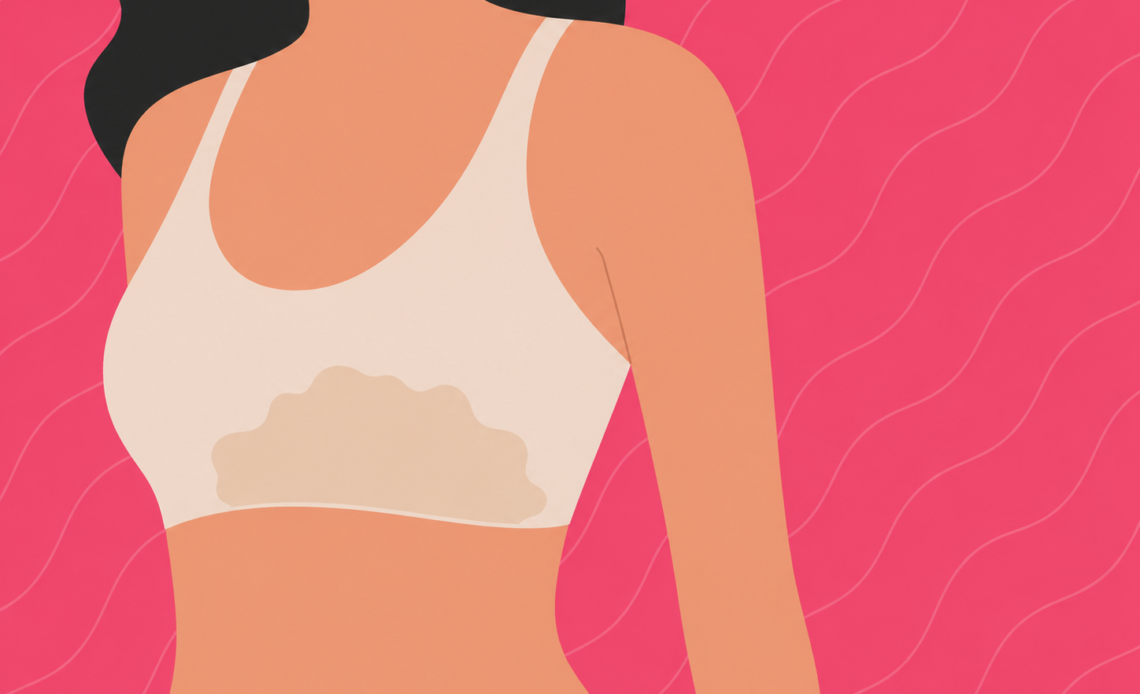
You’re standing in the kitchen, not even thinking about your baby, not anywhere close to a feeding session, and then you feel it. That warm, spreading sensation. And suddenly you’re spiraling into the question: Why do my breasts leak when I’m not feeding?
If you’ve ever asked yourself, why do my breasts leak when I’m not feeding in a moment like this, just know you’re not alone and you’re not broken. Leaking is one of those postpartum things that can feel inconvenient, messy, sometimes even embarrassing. But it’s also deeply biological, surprisingly intelligent, and very common.
Let’s talk about what’s actually happening in your body, and how to handle it without feeling like you’re constantly on alert.
Why Do My Breasts Leak When I’m Not Feeding?
Leaking happens because your body is producing milk independently of whether your baby is actively nursing. The hormone behind this is prolactin, and it doesn’t run on your schedule. Prolactin surges in response to a whole list of triggers, many of which have nothing to do with feeding. Hearing a baby cry (any baby, not even yours), feeling stressed, being intimate with a partner, or even just thinking about your baby can cause your let-down reflex to fire. Most lactating experience this, with research showing that 66% of the nursing mothers still experienced leaking breasts at six months postpartum, and most mothers expressed negative feeling about leaking.
Blog continues after the ad.

The hormonal changes and milk production cycle is sensitive by design because in the early weeks especially, your body is still calibrating how much milk to make and trying to understand your newborn’s appetite. And it errs on the side of more, not less.
So, leaking is especially common in the first few months postpartum when supply tends to overshoot demand. It’s called unexpected breast discharge postpartum, and it’s almost always a sign of a body doing its job really well, sometimes a little too enthusiastically.
When you’re already adjusting to so much postpartum, leaking through your clothes shouldn’t be one more thing to manage. Here’s something built for the leak you didn’t plan for, Nua’s Nursing Pads.
Is Breast Leaking Normal When Not Nursing?
Yes, almost always, but the reasons vary more than most people realise. Here’s what usually causes breast leakage:
- Your supply hasn’t regulated yet: In the early weeks, your body produces milk based on hormonal signals, not just how much your baby is drinking. It takes time, usually 6–12 weeks, for supply to sync with actual demand. Until then, leaking between feeds is your body’s normal.
- Your let-down is hair-trigger sensitive: According to the Cleaveland Clinic, the let-down reflex, meaning when the milk flow out of you, is controlled by oxytocin, which releases in response to emotional and sensory cues. Warmth from a shower, the sound of a baby’s cry, or a sudden wave of love for your baby can all set it off. There’s no off switch in those early months.
- You have an oversupply: Some mothers produce significantly more milk than their baby needs. This is a real thing, it’s not a humble brag, and it comes with its own discomforts like engorgement, spontaneous leaking, and forceful let-down.
- Stress and sleep deprivation: Both affect prolactin levels. The cruel irony of new motherhood is that the very exhaustion and anxiety you’re navigating can make leaking worse. Your body is not misbehaving. It’s responding to your environment.
- Breasts leaking when not breastfeeding: This can sometimes persist even after you’ve weaned. Milk production winds down gradually, not overnight, and some women continue to express small amounts for weeks or even months after stopping. This is also normal, though it’s worth mentioning to your doctor if it lasts longer than a few months.
How to Manage Breast Leaks: An Actionable Guide for New Mothers
Managing leaks isn’t about stopping your body from doing its thing. It’s about staying comfortable and confident while it does. Here’s what actually helps:
- Use nursing pads, and use good ones: This is the most immediate and effective thing you can do. Tips to manage breast leaks always start here, because the right pad makes the difference between a minor inconvenience and a ruined shirt. Look for pads that are soft, absorbent, and breathable. Disposable ones are great for when you’re out.
- Apply gentle pressure when you feel a let-down coming: If you’re in a meeting or somewhere public and feel that familiar tingle, pressing your forearm or wrist firmly against your breast for a few seconds can slow or stop the flow. It’s not elegant, but it works.
- Feed or pump on a consistent schedule: The more predictable your baby’s feeding pattern becomes, the more your body can anticipate demand. Random, long gaps between feeds are a major trigger for unexpected leaking because your body assumes something is wrong and panics into production mode.
- Wear a well-fitted, supportive bra 24/7 in the early months: Not a tight one, tight restricts milk flow and can lead to blocked ducts. But a proper, supportive nursing bra holds everything in place and minimises the physical sensation that can trigger let-down. Breastfeeding comfort tips for new mothers often start with bra fit, because the wrong bra can make everything feel worse.
- Build a “go bag” for when you’re out: A new mom breast feeding care kit doesn’t need to be complicated. Extra nursing pads, a spare top, nipple butter and maybe a small ice pack if engorgement is an issue. Knowing you’re prepared removes the anxiety, which in turn can actually reduce how often the let-down fires.
You’ve already figured out so much. This one deserves a proper solution too. Here’s what we made for when new moms get tired of leaking through everything.
Why Do My Breasts Leak More at Night or in the Morning?
Great question, and it’s one a lot of people wonder about but don’t think to ask. Prolactin levels are actually highest at night, which is one reason why nighttime and early morning nursing sessions are so powerful for establishing and maintaining supply. It also means your body is most actively producing milk when you’re asleep, so you wake up full, sometimes overfull, and prone to leaking before your baby even stirs.
If you’re wondering why do my breasts leak when I’m not feeding most intensely right after a long stretch of sleep, this is why. The gap between feeds overnight, even a relatively short one, can be long enough for pressure to build and for your body to decide it needs to release some of that milk whether or not feeding is imminent. Sleeping on your back, if you can manage it, reduces the pressure slightly and can help.
When to Consult a Doctor About Breast Leakage: Signs That Warrant Attention
Most leaking is harmless, but you need to know when to consult a doctor for breast leakage just in case something isn’t right. Here’s what to look out for:
- Discharge that is bloody, green, or has an unusual smell: Milky or pale yellow discharge is normal. Anything else should be checked.
- Leaking that persists long after weaning: Particularly if it’s from only one breast or is accompanied by pain or a lump.
- Leaking that starts suddenly when you’ve never been pregnant or breastfed: This can sometimes point to elevated prolactin from a pituitary issue, a medication side effect, or other hormonal factors, all of which are treatable once identified.
- Signs of mastitis: Fever, chills, red streaks on the breast, or flu-like symptoms alongside engorgement needs prompt treatment and you should not try to push through it.
Being aware of your body is one of the most useful things you can do as a new mother. Most of what you’re experiencing is normal and will regulate with time. But you know your body. If something feels off, it’s always worth a conversation with your doctor.
Why Do My Breasts Leak When I’m Not Feeding Even Months Later?
If you’re still noticing breast leakage four or five months postpartum, you’re not behind some arbitrary schedule of “normal.” Some bodies take longer to regulate supply, especially if feeding patterns have been inconsistent, if you’ve had supply concerns, or if you’re dealing with a baby who feeds on demand rather than on a schedule.
There’s also a psychological element. The let-down reflex is tied to your nervous system and emotional state in a way that makes it genuinely responsive to your mental load. Mothers who are under a lot of stress, which is most new mothers, often find that their let-down is more unpredictable for longer.
The good news is that by around 3–6 months, most breastfeeding mothers notice that unexpected breast discharge postpartum starts to ease as supply finds its rhythm. You’ll still have let-downs, but they become more tied to feeding cues and less to every emotional fluctuation in your day. Until then, the goal is comfort and preparedness, not perfection.
The mess is temporary, but you still deserve comfort. For softness that stays put, all day, every day, try Nua’s Nursing Pads.
Final Word
Your body is doing something genuinely remarkable right now. And “why do my breasts leak when I’m not feeding” is one of those questions that deserves a real answer instead of a vague “it’s normal, don’t worry.” Because yes, it’s normal. But also, it’s biology you can understand, prepare for, and manage in a way that doesn’t make you feel like your body is a liability.
The messiness of early motherhood is real. But so is the strength of a woman who figures it out, one day, one let-down, and one very good nursing pad at a time.
Disclaimer:
The content of this article is provided for general informational and educational purposes only and is not intended to constitute medical advice, diagnosis, or treatment. The information shared is of a general nature and may not be appropriate for all individuals or specific circumstances. Readers should not disregard, delay, or substitute professional medical advice based on the information contained herein.
If you experience any symptoms, notice anything unusual, or have concerns relating to your health or overall wellbeing, you should consult a qualified healthcare professional. While every effort is made to ensure the information shared is accurate and up-to-date, Nua makes no representations or warranties, express or implied, regarding the accuracy, completeness, or suitability of the information provided and disclaims all liability arising from reliance on this content to the fullest extent permitted by law.