When we talk about C-sections, the focus is usually on the surgery itself or the first few days of recovery. But one part that often gets left out is C-section scars. This scar stays with you long after you leave the hospital. For some, it’s just a small line. For others, it brings up different feelings, memories, emotions, or even physical discomfort.
Since about 1 in 5 women have a C-section, according to the WHO, it’s an important conversation to have. So let’s talk about it. In this guide, we’ll cover what a C-section scar is, how it changes as it heals, what you might feel, and simple ways to care for it.
First, what exactly are C-section scars?
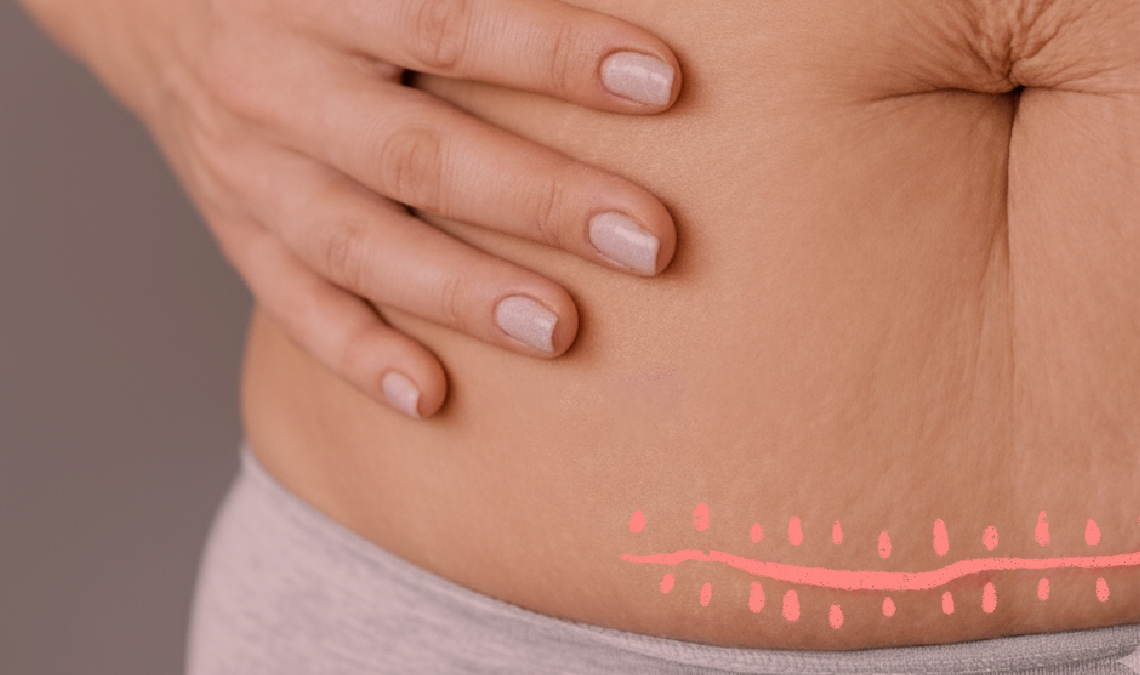
A C-section scar is the visible mark left on your abdomen where your doctor made an incision to deliver your baby. According to the American College of Obstetricians and Gynaecologists, a cesarean typically involves two cuts: one on your uterus (inside) and one on your abdomen (the part you see).
The scar on your belly is what remains as your body heals, and its appearance can vary depending on how your body recovers, the type of incision made, and how well the wound is cared for afterwards. Over time, it usually fades but may never disappear completely
When do C-section scars heal, and what can you expect?
C-section scars don’t heal overnight. It’s a 3-stage journey that happens in a proper sequence and timeframe. Your body works hard, quietly rebuilding tissue and reconnecting everything that was interrupted. Here’s what that journey usually looks like:
Days 0–7: The First Week
After your C-section, the first week is all about stopping the bleeding and preventing infections. Blood vessels widen to deliver immune cells and nutrients to the wound. This kickstarts healing and causes some inflammation. So, it’s completely normal to notice:
- Redness, swelling, and warmth around the scar area
- Tenderness or soreness when you move
- A scab or a visible line of glue, stitches, or staples
- A pulling sensation when you stand up, cough, or laugh
- Numbness or tingling near the scar
Even though it might not feel like it, all these signs are actually proof that healing has started.
You’ll also have postpartum bleeding during this time. This means you’ll need protection that doesn’t irritate your healing scar. That’s where Nua’s Maternal Panties really help. They have soft, stretchy bands that sit comfortably above the scar. They handle the large clots and heavy gushes very gently.
Weeks 2–4: Early Healing
By the second week, the body starts rebuilding what was damaged, the skin, muscle, and connective tissue. Under the surface, tiny blood vessels grow back, cells regenerate, and nerves begin to reconnect. It’s a quieter kind of healing, but still full of activity. So, you might notice:
- The scar turning pink, red, or slightly darker than your skin
- Itching around the incision
- Tingling, numbness, or strange little nerve zaps
- Soreness is easing up but still noticeable sometimes
You might start feeling more mobile, but don’t rush. The deeper layers are still healing, so take it slow and rest.
After 6 Weeks: Long-Term Healing
Six weeks might feel like a turning point, and in many ways, it is. You’ve made it past the most intense phases. Now comes the longest phase, called remodelling. This can last 1 to 2 years.
From here on out, your body carefully reshapes the scar. It makes the area around the scar stronger, more flexible, and more aligned with your skin’s natural texture. Over time, you’ll see the scar flatten, soften, and fade.
This is also a good time to continue your stretch mark care. Nua’s Stretch Marks Oil is made with 100% safe, natural ingredients. It helps soothe that itchy, dry feeling while gently fading marks.
Taking care of your C-section scar during recovery
C-section scars might be small, but the healing process deserves full attention. Here’s how to take care of your incision and support healthy healing:
- Keep it clean and moisturised, but avoid scrubbing.
- Wear soft, loose-fitting fabrics that breathe (like cotton).
- Try high-waisted underwear to reduce friction.
- Skip heavy lifting, bending, or intense exercise for the first 6–8 weeks.
- Support your abdomen with a pillow or hands when you cough or laugh.
- Massage the scar in circular motions for 5–10 minutes daily after week 6.
- Apply silicone sheets or gels on the scar to help flatten it.
Do C-section scars remain even after the wound has healed?
Yes, as per experts, there will be a scar after a C-section. But usually, it’s low enough to be hidden under underwear or a bikini.
Most scars are horizontal, which tends to leave a thin, less visible mark. Sometimes, an emergency C-section might need a vertical cut, which can be more noticeable. Rarely, scars might stay raised or firmer. This happens when the body produces extra collagen and can cause:
- Hypertrophic scars: Raised, but stay within the boundary of the original incision
- Keloid scars: Raised and extend beyond the original scar area
Both are harmless and often get better over time. If they bother you, there are treatments like creams, laser therapy or minor skin procedures. Always check with a doctor to find what’s best for you.
The emotional side of C-section scars
Physically, a scar may be just a few inches long, but emotionally, it can carry so much more. For some, it’s a symbol of strength or a reminder of the day they met their baby. For others, especially those who had an unplanned or emergency C-section, it may bring back memories of fear, loss of control, or a difficult birth experience.
You may feel self-conscious, avoid mirrors, or not feel like yourself. These feelings are normal and okay.
If your scar is tied to emotional pain, don’t feel alone. There is a lot of support available (more on that here). You can speak to a professional, like a therapist who specialises in birth trauma or postpartum recovery. If that’s not it, you can join support groups (online or in-person) to share your story and hear from others mums who’ve been through something similar.
You can journal your thoughts or try breathing exercises to connect more with your healing body. Drawing, painting, or any creative outlet can also be a way to express feelings that are hard to put into words.
Remember, healing emotionally is just as important as healing physically.
It’s okay if there’s something to ‘C’
C-section scars are very common. You see more than 23 million women worldwide get them each year. While they may never fully disappear, there are ways to manage their appearance and the feelings that come with them. Healing takes time, and it’s okay if your scar and your emotions about it don’t follow a simple path. What matters is finding what helps you move forward on your own terms.