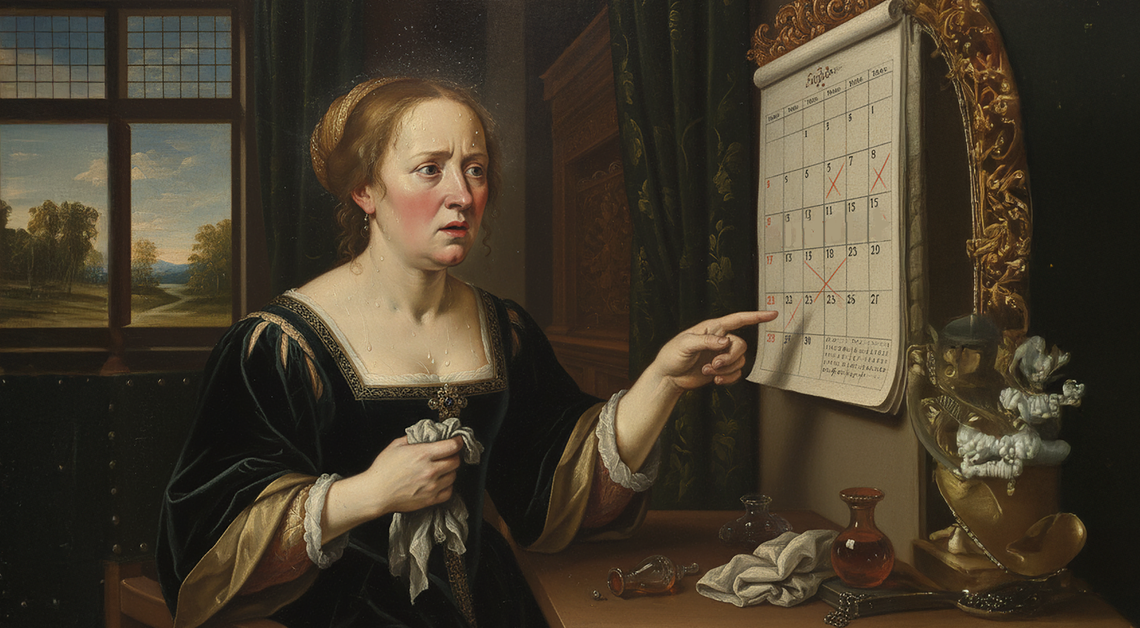
No one preps you for the hormonal rollercoaster that is perimenopause. It just creeps in like that friend who doesn’t RSVP but shows up anyway. One minute you’re casually living your life, the next you’re crying because someone moved your coffee mug. It’s like your period, but without the ‘just 1 week/month’ timeline, making it worse.
So let’s unpack it. All of it. The early signs of perimenopause, what changes to expect, what happens after perimenopause and most importantly, how to know when perimenopause is over. WHEW!
First off, what even is perimenopause?
Your body doesn’t just switch off its reproductive system overnight. There’s a winding-down period—a gradual shift where your hormones start to fluctuate and your cycle becomes less predictable. That in-between phase? That’s called perimenopause. It’s your body’s long and messy goodbye to regular periods, and it can begin years before menopause officially starts (which only happens after 12 straight months without a period).
The average perimenopause start age? According to the WHO, it’s around the ages of 45-55. But here’s the twist: for some, it begins in their late 30s (yep). Studies show that this timing depends on your mother’s age at perimenopause, your age at menarche, use of oral contraceptives, regularity of menstrual cycle, number of pregnancies, body mass index, use of tobacco and alcohol, physical activity, the list goes on. These are all factors affecting perimenopause duration. It can last anywhere between four and ten years, sometimes more, and no two people experience it the same way.
To understand why and how all this happens from a more scientific lens, read this.
So what are the signs of perimenopause?
- Your period gets unpredictable: Longer, shorter, heavier, lighter, MIA for months—and then back with a vengeance. If your cycle is suddenly acting like a moody teenager, this could be an early sign of perimenopause. You might bleed heavily one month and barely spot the next.
- Hot flashes and night sweats: These are the classic ones, the ones most seen/heard about in pop culture (remember Samantha from Sex and the City going through perimenopause?).
Your body starts glitching its temperature settings. One minute you’re freezing, the next you’re sweating through your sheets. Sometimes they come as quick waves; other times, they linger for minutes. - Mood swings that feel personal: You’re not just emotional. You’re rage-crying over a biscuit ad. Blame the hormonal drop (especially estrogen) for the emotional rollercoaster. Anxiety and irritability might spike even if you’ve never had those issues before.
- Sleep disturbances: Falling asleep, staying asleep, or waking up at 3 a.m. for no reason? All part of the perimenopause symptoms timeline. This one’s sneaky because sleep issues are often blamed on stress or age, but they’re a huge clue.
- Vaginal dryness and lower libido: Not fun to talk about, but super real. Estrogen decline affects your entire reproductive system. Sex might feel different or even uncomfortable. Your body is not broken, it’s just shifting.
- Brain fog: Forgetting names, losing your train of thought mid-sentence, zoning out in meetings? This isn’t you losing it, it’s just your brain on fluctuating hormones.
- PMS, but worse: You might get all the classic symptoms of PMS—cramps, bloating, breast tenderness—but more intense and more unpredictable. It’s one of those underreported signs of perimenopause that makes you feel like your body has turned on you.
- Changes in skin and hair: Dry skin, thinning hair, brittle nails? Yep, hormones are behind these too. You might notice your usual skincare isn’t working like it used to.
Early vs. late perimenopause: What’s the difference?
In early perimenopause, your cycles are still (sort of) regular, but the symptoms sneak in gradually. Think mood swings, sleep problems, and random hot flashes.
In late perimenopause, your periods become more irregular and infrequent, sometimes skipping two or three months at a time. Symptoms like hot flashes, brain fog, and vaginal dryness are more noticeable. Your estrogen is dropping faster, which can make everything feel more intense.
At this stage, you’ll probably start wondering when does menopause officially start? The official answer: when you haven’t had a period at all for 12 months. Not even spotting. That’s when you’re considered postmenopausal.
The perimenopause symptoms timeline (and what to expect)
- Year 1-2: Subtle changes. Your cycle might shift a bit. You may not even realize it’s perimenopause.
- Year 3-5: Symptoms kick in more noticeably. Hot flashes, mood swings, insomnia. You might be in early to mid-perimenopause.
- Year 6-10: This could be late perimenopause. Irregular periods, intense symptoms. You’re getting close to menopause.
Again, the factors affecting perimenopause duration are personal. Your mom’s experience may give you clues, but your path is yours.
So what can you do about perimenopause?
- Track your cycle: Even when it’s all over the place, tracking can help you notice patterns and changes.
- Prioritize rest: Deep sleep helps your body cope. Magnesium supplements, calming teas, screen-free nights—they all help.
- Eat for balance: Your hormones love whole foods. Think omega-3s, fibre, leafy greens, and hydrating like a desert plant.
- Move intentionally: Walking, yoga, strength training, whatever feels good. It helps regulate everything.
- See a specialist: Talk to a gynaecologist or endocrinologist about your symptoms. You don’t have to “tough it out.”
- Find your people: Whether it’s a friend or a forum, sharing helps. You’ll feel less alone.
Let’s talk periods (yep, still happening).
Even when they get irregular, periods during perimenopause can surprise you. They might be sudden, heavier, or leakier. That’s why it helps to always keep Nua’s Sanitary Pads on hand. They’re rash-free, come in three absorbency sizes, and the XL size? Game-changer for those “did-this-just-happen” days. Seriously, no leaks, no discomfort.
And for the in-between times (you know, when your body’s playing hide and seek with your period)? Use Panty Liners. They’re are sleek, breathable, and super comfy. Perfect for those days when you’re just not sure if it’s discharge, a very early period, or just your body being confusing again. They’re basically your backup besties.
Understanding the Difference Between Perimenopause and Menopause
Before we dive into the transition, it’s important to clearly understand how perimenopause and menopause differ. These two terms are often used interchangeably, but they represent different stages of the same journey.
- Perimenopause: This is the transition phase leading up to menopause. It’s when estrogen and other hormone levels begin to fluctuate, causing the variety of symptoms listed above. It’s also when your menstrual cycle starts to change, becoming irregular, heavier or lighter, or skipping months altogether. This phase can last for several years.
- Menopause: Menopause is officially diagnosed when you haven’t had a period for 12 consecutive months. It marks the end of your reproductive years. You’re no longer ovulating, and your body has adjusted to consistently low hormone levels. Technically, menopause is just one day, the one-year mark without menstruation. Everything after that is considered post menopause.
How do you know when perimenopause is over? And what happens after post menopause?
So you’ve hit that 12-month mark without a period, what now?
Welcome to post menopause. While perimenopause is the chaotic build-up, post menopause is what comes after. Your hormone levels, especially estrogen and progesterone, stay consistently low. That means no more periods (hallelujah), but it also brings new changes that are worth knowing.
Some symptoms from perimenopause may linger, like hot flashes, vaginal dryness, or mood shifts, but for many, they start to fade. What takes centre stage now is long-term health. This is a great time to tune in and take extra care of your bones, heart, metabolism, and mental health.
Here’s what to expect:
- Fewer hormonal ups and downs: Your body finds a new baseline.
- Increased focus on bone health: Lower estrogen can lead to bone density loss.
- More awareness around cardiovascular health: Your risk of heart disease slightly increases post menopause.
- Potential for weight redistribution: Metabolism may slow, and fat might shift more to the belly area.
The best approach? Stay active, eat well, get your screenings, and be super kind to yourself.
The good news? Many say post menopause comes with a surprising clarity and confidence. You know your body better than ever. This is your next chapter, and it doesn’t have to be about symptoms, it can be about strength, wisdom, and fully owning your body in its new rhythm.
Final thoughts? You’re not alone.
Perimenopause can feel like puberty in reverse. But with more tools, better conversations, and products made for women (thank you, Nua), you don’t have to go through it in the dark.
This isn’t something to fear. It’s just a new phase of being in tune with your body. Listen to it. Trust it. Talk about what you’re going through. Ask questions. Support other women in it.
And most of all, give yourself grace. You’re evolving, not breaking.