If you’ve slept in one of the best overnight pads, the kind that promise leak-proof, worry-free sleep, it’s tempting to stretch that comfort just a little longer. You know the feeling, lazy Sunday morning, wrapped in your cosy blanket, and the last thing you want to do is get up.
Then the thought sneaks in, quick mental math: “Slept at 10, it’s now 6… that’s 8 hours of wearing this pad. Maybe I can push it for another hour or two?”
And with modern period care, that doesn’t sound like such a wild idea anymore. But can you really wear an overnight pad for 10+ hours? Technically, yes. But (you knew there was a but), here are five key things to make sure you’re using them safely and smartly.
So, Can You Wear Overnight Pads for 10+ Hours?
The answer is… It’s complicated. While the traditional professional advice is to change your pad every 4-8 hours, pad technology has come a long way. The possibility of 10-hour protection now exists, but it’s not a one-size-fits-all rule. It depends entirely on the type of pad you use, your personal flow, and your hygiene habits.
Think of it less as a time limit and more as a checklist. So, before you commit to long, uninterrupted wear, here are five crucial things to note:
1. Not All Pads Are Created for a 10-Hour Marathon
First things first: 10-hour wear is only possible with a pad that’s specifically designed for it. This means looking beyond just absorbency. It should be:
- Made from breathable, 100% skin-safe materials
- Free from artificial fragrances, dyes, and harsh chemicals
- Designed with extra-long coverage and high absorbency
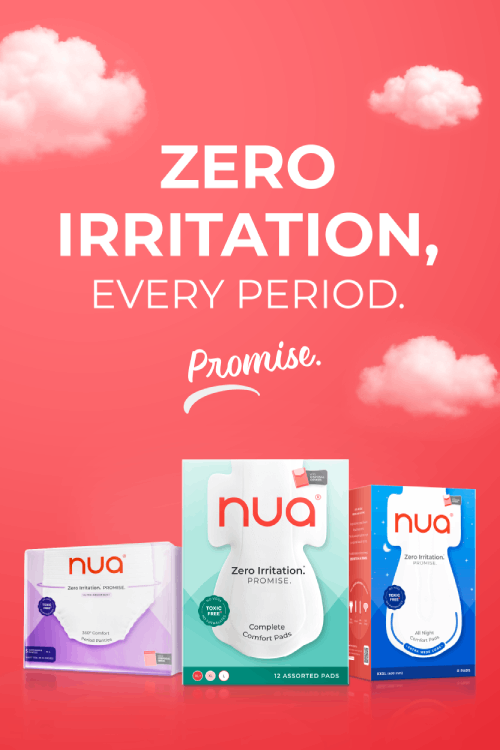
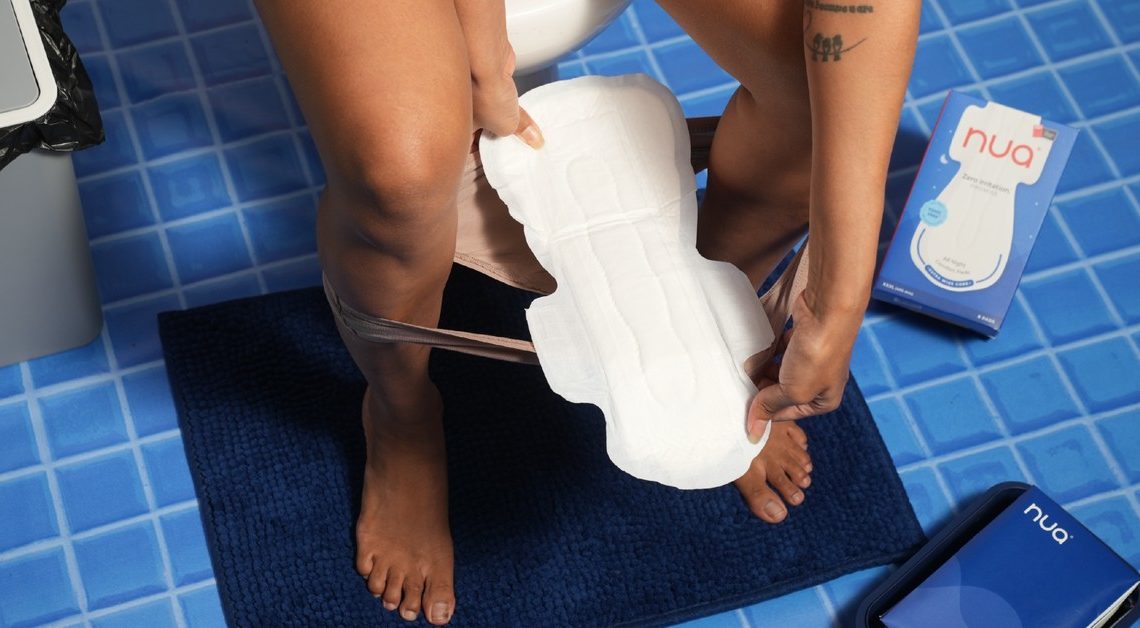
Pads that tick these boxes won’t just absorb more flow, they’ll also reduce the chances of irritation, itchiness and discomfort during longer use. Some amazing options in the market are made specifically for extended wear, like Nua’s All Night Comfort Sanitary Pads. They go up to 400mm in length, with 50% wider backs and soothing topsheets. They also come with a twin-layer absorption system, which means fluid gets locked away faster and more efficiently, keeping you drier for longer.
2. Your Flow and Skin Always Get the Final Say
If you find yourself waking up to a pad that’s nearly full after just 6 or 7 hours, it’s a sign that your body needs a change sooner. Trying to stretch it to 10 hours just because the packaging says it can hold up? That’s not worth the risk. No pad should be pushed to the point of overflowing.
And flow aside, your skin has a say too. If you have sensitive skin, even a clean pad that still feels “dry” can start to feel uncomfortable after too many hours. That’s because your body heat and natural sweat can create a damp, warm environment over time, which makes the skin more prone to itching or rashes. In fact, studies show that prolonged exposure to this kind of humidity can weaken your skin’s natural barrier and trigger irritation.
So, what’s the sweet spot? Use long-wear pads on nights when your flow is moderate. On heavier flow days, it’s safer to aim for a 6 to 8-hour window.
3. Odour and Itchiness Are Your Cue to Change
We often assume that if a pad isn’t full, it’s still good. But a pad’s job isn’t just to prevent leaks, it’s to keep you feeling fresh.
If you start to feel even slightly itchy or notice an odour, that’s your body’s signal that it’s time for a change. And while some high-quality pads like Nua’s help reduce this risk with odour-lock technology and moisture-wicking layers, they’re not magic.
So, don’t wait for the 10-hour mark just because the pad isn’t full. Trust your body’s cues over the clock, always.
4. Prep and Size Up for Longer Wear
If you know you have a long flight, a bus journey, or just a desperate need for an uninterrupted night’s sleep, you can plan ahead for safe, extended wear.
- Prep for it: Start with a clean slate. A quick rinse with water or a gentle, pH-balanced intimate wash before putting on a fresh pad can help reduce bad bacteria and keep you feeling fresher, longer.
- Size up: For extra peace of mind, consider a larger pad. Nua’s XXXL night pads, for instance, are designed for maximum coverage and up to 12 hours of absorption, giving you that extra bit of security when you know you’ll be pushing the time limit.
5. Don’t Make It a Habit (Especially During the Day)
Having the option to wear an overnight pad for up to 10 hours is incredibly freeing, especially when all you want is a long, peaceful night’s sleep. In fact, some women even use overnight pads during the day to manage heavy flow (honestly, a smart hack).
But just because a pad can last 10 hours doesn’t mean you should make it your period routine. Any menstrual product pressed against your body for too long, no matter how skin-friendly it is, can eventually lead to more harm than good.
At night, it’s a different story. Your body is resting, there’s less movement and friction. So if your flow is moderate and you’re using one of the best overnight pads, it’s generally safe to stretch wear time a little longer.
But during the day, your body’s constantly on the move. There’s more heat, sweat and friction, all of which make your skin more vulnerable. That’s why it’s still best to change your overnight pad every 4 to 8 hours during the day.
Comfort You Can Count On (When Used Right)
Remember, even the most perfect, skin-safe product can cause issues if not used correctly. Ultimately, 10-hour protection is a fantastic tool to have in your period care kit. It’s the freedom to sleep soundly and the confidence to travel without worry. Just remember to use it wisely.
Have a tried-and-tested trick for staying comfy on long pad days? Share your wisdom in the comments below!