What you will learn about hydration for menstrual cramps in this guide:
- Dehydration can worsen PMS by increasing cramps, bloating, mood swings, and fatigue.
- Low water levels raise a hormone that tightens blood vessels, leading to more intense uterine cramps.
- Staying hydrated helps reduce stress hormones and support serotonin, improving mood.
- Drinking enough water can make flow less thick and easier to pass, reducing painful clots.
- Bloating is often due to dehydration. More water helps your body release excess fluid and sodium.
- Hydration also supports digestion, helping with constipation or period-related bowel changes.
- Aim for ~2 litres daily and adjust across your cycle to keep symptoms more manageable.
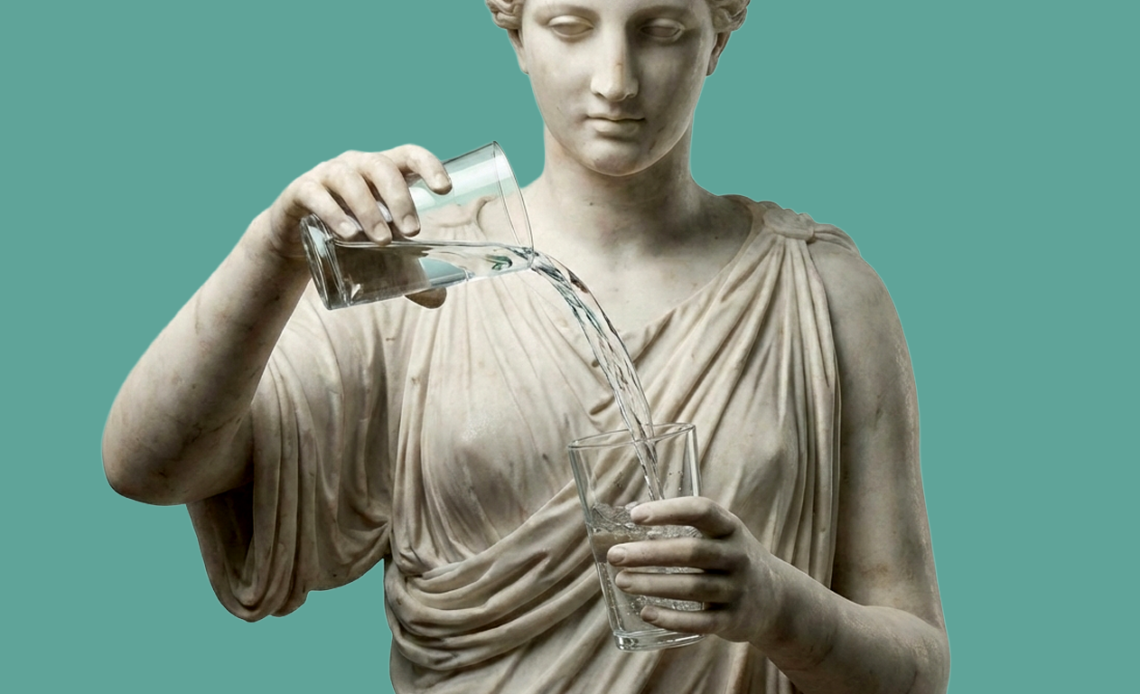
When someone recommends hydration for menstrual cramps, it might sound like you’re getting a lecture you did not ask for. We get it. When your insides feel like they are being wrung out, chugging a gallon of H2O feels like the least comforting advice on the planet. You want chocolate, you want a heat pack, you want the world to stop spinning. You definitely do not want to drink a lot of water and pee every 20 minutes.
But the truth is that dehydration is often your period’s favorite troublemaker. It causes bloating, cramping, mood swings, and all things PMS. And unfortunately, it is so common in India. Research shows that around 46% of Indians are dehydrated, the majority being women.
That is why it is important to understand hydration effects on PMS, and why drinking enough water can make your period feel a little easier. So, grab a glass of water and keep reading.
Why Do Cramps Hurt More When You’re Dehydrated?
Because dehydration directly raises a hormone called Vasopressin (specifically Arginine Vasopressin or AVP), which makes your uterus contract more violently.
This hormone helps your body manage fluids. When your body is dehydrated or low on water, AVP steps in and tells your kidneys to hold on to water instead of letting it leave your body as urine. So far, so helpful. But the issue is that AVP does not stop there. It is also a vasoconstrictor, which means it can tighten your blood vessels. This is where things get painful.
Blog continues after the ad.
When AVP levels in your body are high, it causes tightening of your uterine blood vessels, which restricts blood flow to the uterus, causing a drop in its oxygen supply (uterine ischemia). To overcome this suffocation, the uterine muscles contract more violently to push blood through, leading to intense cramps.
So, the math is simple but terrifying.
Less water = High vasopressin = Violent squeezing of the uterus = Painful cramps.
A study actually found that women who drank between 1.6 to 2 litres of water a day saw a significant reduction in period pain intensity and used fewer painkillers. Basically, drinking water acts as a mute button for Vasopressin, making sure it does not strangle your internal organs. This is one of the most underrated menstrual cramp remedies out there.
When cramps hit before you’ve had time to hydrate, you need something that works right now. Nua’s Cramp Comfort Heath Patches have your back, find them here.
Can Drinking Water Improve Period Mood Swings?
Yes, it really can, and the reason comes down to how dehydration affects your brain’s ability to manage stress hormones and produce serotonin.
When your body is low on water, your brain reads it as a small emergency. It responds by releasing stress hormones like cortisol. On a regular day, your body can handle this. During your period, your body is already sensitive, so even very low cortisol levels can make your brain feel more anxious, tense, foggy, or on edge.
In fact, when you’re dehydrated, your brain has a harder time producing serotonin (the happy hormone), which is already naturally lower during your period. The hydration effects on PMS are very real here.
Drinking water dials down the stress hormones, relaxes your nervous system and supports the release of serotonin. This is why staying hydrated makes period mood swings feel less intense. In short, a thirsty brain is a cranky brain.
Can Your Water Intake Affect How Heavy Your Period Flow Is?
Yes. Proper water intake for period pain and flow management go hand in hand because hydration directly affects the consistency of your menstrual blood.
Think of your period blood like a traffic situation. When you are dehydrated, your blood volume drops and the fluid becomes more viscous (thick and sticky). Instead of a smooth highway cruise, your flow turns into a bumper-to-bumper traffic jam. Your uterus has to work significantly harder to push this thick, heavy material out, also known as period clots. That extra effort causes cramps, really painful ones.
When you hydrate, you are literally thinning the consistency of your menstrual blood. A study found that women who drank around 2 litres of water a day actually experienced a shorter duration of bleeding.
Why? Because hydrated blood is efficient. It does not drag itself. It exits smoothly. So, by keeping your fluid intake high, you are turning your period from a struggle to push out clots into a smoother, less painful phase. Think of it as one of the most straightforward natural remedies for bloating and cramping combined.
Some days even hydration isn’t enough for the pain that shows up uninvited.
Made for managing even the worst period cramps, try Nua’s Cramp Relief Roll-On.
Why Does Drinking More Water Help With Period Bloating?
Hydration bloating relief works because water retention is actually a sign of dehydration, not overhydration.
- Your body goes into hoarding mode: When you do not drink enough, it holds onto every single drop of fluid because it does not trust you to replenish it.
- Salt gets trapped too: Along with water, your body also holds on to sodium. And salt pulls water in and keeps it there, which is what makes you feel puffy and swollen.
- More water signals safety: When you start drinking more water, your body gets the message that it does not need to hoard anymore.
- Your kidneys release the sodium: Once they feel safe, they let go of the extra sodium, and once the salt leaves, the trapped water follows.
- The bloat flushes out: By drinking more water, you are literally flushing the bloat away. This is one of the most effective bloating reduction tips you will find.
So if you are already feeling puffy, drinking more water is not adding fuel to a fire. It is actually how you put it out.
How Else Does Water Help With PMS?
Staying hydrated helps because dehydration makes both period constipation and diarrhea significantly worse.
During your period, your body releases prostaglandins. These chemicals tell the uterus to contract, but they sometimes miss the target and hit the bowels, causing diarrhea (or period poops). However, if you are dehydrated, your colon steals water from your food waste to keep your vital organs running. Here is what happens on each end:
- Constipation side: Your stool becomes rock-hard and painful to pass because the colon has stripped it of moisture.
- Diarrhea side: You lose fluids rapidly, which makes dehydration (and cramping) even worse.
- The fix: Staying hydrated softens stool to fix constipation and replaces fluids lost during period poops. Simple, but genuinely effective.
How Much Water Do You Need at Each Phase of Your Cycle?
Your hydration needs shift with every phase of your cycle, and matching your electrolyte balance during menstruation to each phase can make a real difference to how you feel throughout the month.
Phase 1: The Menstrual Phase (Days 1 to 5)
This is usually the week when sweatpants feel like the only reasonable outfit. Your energy dips, everything feels heavier, and fatigue shows up uninvited as your estrogen and progesterone have hit rock bottom. It is also because you are losing fluids through menstrual blood, so your body needs them replaced. Aim for around 2 litres, or about 8 glasses of water a day during this phase.
Phase 2: The Follicular Phase (Days 6 to 14)
The bleeding has stopped, and you finally feel like a main character again. You can thank rising estrogen for that. It is your body’s natural hype woman. But do not ditch the water bottle yet. Internally, your body is in major construction mode, rebuilding the uterine lining from scratch after your last period. This requires a lot of hydration to build healthy new tissue. Keep drinking your 2 litres to fuel the renovation project in your uterus.
Phase 3: The Ovulation Phase (Days 14 to 18)
You might notice you feel physically hotter right now, and that is literally true because your body temperature rises slightly as progesterone begins to kick in. If you are hitting the gym or just running around conquering the world, you might find yourself sweating more than usual. The goal is simply to cool down and replace what you lose. Keep your 8 glasses a day steady!
Phase 4: The Luteal Phase (Days 19 to 28)
Welcome to the danger zone where progesterone peaks, shifting fluid out of your blood vessels and into your tissues. This leaves your actual blood volume lower, creating a kind of internal dehydration even if you do not feel thirsty. This is risky because science shows that even a mild 1% drop in hydration can significantly increase your sensitivity to pain. So, drinking water before you even feel thirsty is the smartest way to keep your pain threshold high before the cramps hit you on day 1. Maintaining your electrolyte balance during menstruation is especially important during this phase.
Because sometimes the luteal phase hits harder than expected, and you need relief that actually works. Built for when your body needs more than a reminder to hydrate.
What Are the Best Ways to Stay Hydrated During Your Period?
Here is an actionable guide to staying on top of your body’s hydration needs all month long. These menstrual cramp remedies and hydration habits are easy to fold into your daily routine.
- Just keep the fluids coming: Snack on hydrating foods like cucumbers and watermelon to top up your intake without even thinking about it.
- Check your pee: If it looks like apple juice (very yellow or golden), you are probably dehydrated. Your urine should always be like a pale lemonade.
- Swap the coffee for something gentler: Peppermint tea is a great swap because caffeine is dehydrating. Or sip coconut water for an electrolyte balance during menstruation
- Drink before you’re thirsty: Especially in the luteal phase, thirst is already a sign of mild dehydration. Getting ahead of it keeps your pain threshold higher.
- Be kind to yourself: If you forget to drink water one day, do not spiral. Just drink a glass now. Hydration for menstrual cramps is about consistency, not perfection.
The Bottom Line
Your body is doing something genuinely exhausting every month. It is shedding the entire internal lining for your uterus, recalibrating hormones, and keeping you alive, all at the same time. The least you can do is give it the fluids it needs to do that job.
Hydration for menstrual cramps, bloating, mood swings, and digestion is not a cure-all, but it is one of the most low-effort, high-impact things you can do. Stay on top of your water intake for period pain, try natural remedies for bloating like coconut water and hydrating snacks, and pair that with Nua’s Cramp Care and Roll-On for the moments when water alone is not enough.
Remember that PMS is natural, but you can do little things to keep it under control. Hydrate, exercise, use your Nua Heat Patches, and be gentle on your body. You have got this. Now, seriously, take a sip.
Disclaimer:
The content of this article is provided for general informational and educational purposes only and is not intended to constitute medical advice, diagnosis, or treatment. The information shared is of a general nature and may not be appropriate for all individuals or specific circumstances. Readers should not disregard, delay, or substitute professional medical advice based on the information contained herein.
If you experience any symptoms, notice anything unusual, or have concerns relating to your health or overall wellbeing, you should consult a qualified healthcare professional. While every effort is made to ensure the information shared is accurate and up-to-date, Nua makes no representations or warranties, express or implied, regarding the accuracy, completeness, or suitability of the information provided and disclaims all liability arising from reliance on this content to the fullest extent permitted by law.