
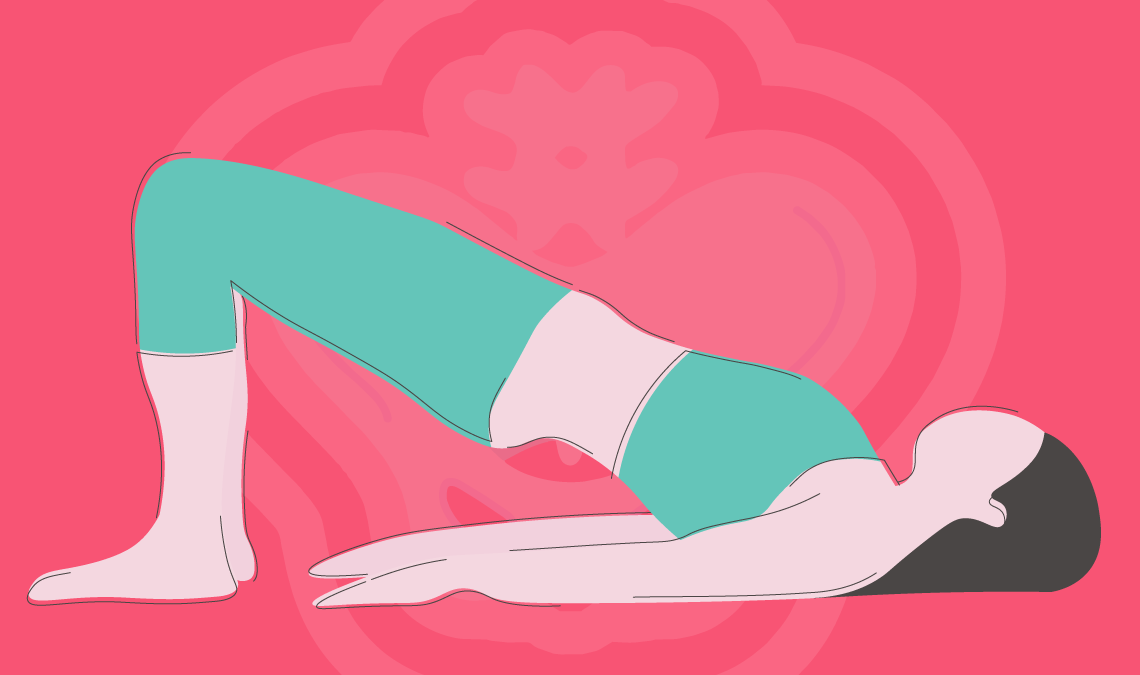
What you will learn about pelvic floor muscles in this blog:
- Your pelvic floor muscles are a group of tissues at the base of your pelvis, supporting your bladder, uterus, and bowels while helping control peeing, bowel movements, and core stability.
- These muscles work with your breath—when you inhale they relax, and when you exhale they gently lift—so coordination matters as much as strength.
- Pelvic floor dysfunction can show up as leaks, pelvic heaviness, pain during sex, or difficulty emptying your bladder, and it’s often linked to stress, posture, pregnancy, or lifestyle habits.
- Breathing exercises, controlled lifts, and using your pelvic floor during movements like squats or lifting help train it for real-life situations.
- If you feel pain, pressure, or ongoing issues, a pelvic health specialist can guide you, since sometimes the muscles need relaxation and coordination—not just strengthening.
Let’s talk about a body part most of us only notice the first time we leak a little when we laugh too hard, feel unexpected pressure during a workout, or when the gynaecologist tells us to strengthen it after giving birth, and think, “Okay… what IS that?” You just met your pelvic floor muscles.
Your pelvic floor is a group of muscles and connective tissue that sits at the bottom of your pelvis like a supportive hammock. If you’re wondering about your pelvic floor muscles location, it stretches from your pubic bone in the front to your tailbone in the back, and from side to side between your sit bones. Through this hammock pass your urethra, vagina, and rectum, which means these muscles are responsible for holding your organs where they belong, controlling when you pee and poop, supporting sexual sensation, and helping stabilise your core when you move. Basically, it’s a casual multitasker.
These muscles respond to stress, posture, breathing, hormones, trauma, exercise habits, desk jobs, pregnancy, aging, and how we move through the world. They’re not isolated in one spot, they’re part of a full-body system, which is why pelvic pain causes and bladder control problems often show up together.
So when we talk about “strengthening” the pelvic floor, what we really mean is we need to help it do its job, which is contract when it needs to, relax when it should, and coordinate with the rest of your muscles instead of being stuck on high alert or half asleep. Understanding how to strengthen your pelvic floor starts with recognising that tight and strong are not the same thing.
How the Pelvic Floor Works
Your pelvic floor doesn’t work alone. It teams up with your diaphragm, which is your main breathing muscle, your deep abdominal muscles, and the muscles along your spine. Together, they manage pressure inside your abdomen. Every time you inhale, your diaphragm moves down, your belly expands, and your pelvic floor gently lengthens to make room. When you exhale, the diaphragm rises and the pelvic floor lifts back up.
Blog continues after this ad.

This rhythm matters more than most people realise. If you’re constantly holding your breath, sucking in your stomach, or bracing your core like you’re about to get punched, which a lot of us do when we’re stressed, rushing, trying to look “put together,” lifting something heavy, pushing through workouts, or even just sitting at our desks all day, your pelvic floor never fully relaxes. Muscles that don’t relax can’t contract well. Over time, that can show up as leaks, pain during sex, trouble fully emptying your bladder, or that heavy feeling some people describe like something is “dropping,” classic early signs of pelvic floor dysfunction.
On the flip side, if the muscles are weak or slow to respond, they may not react fast enough when pressure suddenly increases, like during a cough, a jump, or a laugh you didn’t see coming. That’s when little leaks happen. These bladder control problems aren’t a failure, they’re a timing and coordination issue.
Strength is only half the story. Coordination and endurance matter just as much.
On the days your body is busy figuring this out, the last thing you need is intimate care that adds to the situation. For daily comfort, try these panty liners!
Why So Many of Us Struggle With Pelvic Floor Issues
We grow up learning how to do crunches, planks, squats, and burpees, but no one teaches us how to breathe in a way that supports our organs or how to notice tension in our pelvis. Add years of sitting, tight jeans, stress that lives in the body, and workouts that focus on gripping instead of moving with breath, and you get a perfect recipe for a pelvic floor that’s either overworked or under-supported.
Hormones also play a role. Estrogen supports tissue elasticity, which is why pelvic floor during pregnancy, pelvic floor after delivery, and pelvic floor exercises for menopause all require different approaches. Because during different life stages, like postpartum and perimenopause, changes in hormone levels can affect how resilient these muscles and connective tissues feel. That doesn’t mean decline is inevitable. It means your body is changing, and your training needs to change with it.
Pregnancy and birth can stretch the pelvic floor muscles significantly, but so can chronic constipation, high-impact sports without adequate recovery, and even long-term poor posture. Yes, how you sit and stand affects the muscles at the bottom of your pelvis too!
This is why pelvic floor health tips apply across life stages, from postpartum recovery to gentle exercises for seniors.
What is Pelvic Floor Dysfunction?
Pelvic floor dysfunction is a big umbrella term for when these muscles aren’t working the way they’re supposed to. That can mean they’re too weak, too tight, slow to respond, or just not coordinating well with the rest of your body. And it’s way more common than people realise. 1 in 4 women experience it, according to research. It’s one of the most under-discussed causes behind pelvic pain, bladder issues, and sexual discomfort.
Some of the most common causes are:
- Pregnancy and childbirth
- Chronic stress and tension held in the body
- Years of holding in your stomach or constantly bracing your core
- High-impact workouts without enough recovery
- Long hours of sitting
- Frequent constipation and straining
- Hormonal shifts (postpartum, perimenopause, menstrual cycle changes)
- Aging
- Past injuries or physical or emotional trauma
- Prior pelvic surgery (like a hysterectomy or prostatectomy)
Sometimes it’s one big event, and sometimes it’s the slow build of everyday habits adding up over time.
And the symptoms? They don’t always look like what we expect:
- Leaking when you laugh, cough, run, or jump
- A feeling of pressure, heaviness, or dragging in the pelvis (often worse at the end of the day or around your period)
- Needing to pee very often
- Struggling to fully empty your bladder
- Feeling like you have to strain on the toilet
- Pain during sex
- Pain with tampon or cup insertion
- Aching in the lower back, hips, or tailbone
- A deep, hard-to-explain ache that sits low in the pelvis
- Difficulty reaching orgasm or feeling disconnected from sensation
None of this means your body is failing you. It usually means the pelvic floor muscles are either doing too much of the wrong kind of work, or not enough of the supportive kind of work, and they need retraining, not punishment.
That’s why strengthening alone isn’t always the answer. For some people, the first step is actually learning how to relax these muscles again, restore normal breathing patterns, and rebuild trust in how their body handles pressure.
And while you’re relearning how your body handles those everyday surprises, having a soft, breathable layer of backup makes the whole process feel less stressful. Here’s what we designed for exactly this!
How To Understand Your Pelvic Floor Muscles Better
Step 1: Understand What “Strong” Really Means Down There
A strong pelvic floor isn’t one that’s clenched all the time. It’s one that can respond quickly, hold when needed, fully let go, and sustain gentle activation over time.
Think of it like holding a delicate object, not crushing it and not dropping it. There’s lift, but there’s also softness.
If you’ve ever been told to just “do kegels,” you were given a tiny slice of the picture. Kegels can be helpful, but only if you’re actually contracting the right muscles and only if your muscles also know how to relax afterward. Doing endless squeezes on muscles that are already tight can make symptoms worse. The best exercises for pelvic floor health depend on whether your muscles need strength, relaxation, or coordination, and often, all three.
That’s why awareness comes first. Before strengthening, it helps to learn what your pelvic floor feels like when it’s relaxed and when it’s gently lifting.
Step 2: Find Your Pelvic Floor
Try this in order:
- Sit or lie down comfortably. Place one hand on your belly and one on your chest.
- Inhale slowly through your nose. Let your belly rise.
- Notice if your pelvic area feels like it’s gently softening or widening.
- Exhale through your mouth and imagine the area between your sit bones lifting slightly upward, like an elevator going up one floor. No gripping. No clenching your glutes. Just a subtle lift.
Another cue some people find helpful is imagining you’re stopping the flow of urine and holding in gas at the same time, but only as a reference, never as a daily exercise. Pelvic floor exercises for bladder control should not be done on the toilet, because training your pelvic floor on the toilet can interfere with normal bladder reflexes.
If you can’t feel much at first, that’s common. These muscles don’t get a lot of airtime in daily conversation. With practice, sensation usually improves.
Step 3: Strengthen It in Real Life
If you’re wondering how to strengthen your pelvic floor effectively in everyday life, the key is integration. Walk through these one by one.
Breathe Like It’s Part of the Workout (Because It Is)
Diaphragmatic breathing is one of the foundational pelvic floor exercises for women across all life stages. When you inhale, let your ribcage expand and your belly soften. When you exhale, gently engage your lower abs and feel your pelvic floor lift naturally with the breath. This trains coordination, not just strength.
Try this during warm-ups, cool-downs, or even while lying in bed before sleep. It sets the tone for how your muscles work together all day.
Add Gentle Lifts With Control
Once you can feel the muscles, you can practice slow pelvic floor contractions. Lift gently, hold for a few seconds while breathing normally, then fully relax. The relaxation part is not optional. It allows blood flow back into the tissue and prevents that clenched-all-day situation.
Quality beats quantity. A few focused reps done with awareness will do more than a hundred distracted squeezes while scrolling.
This is one of the important pelvic floor exercises after pregnancy. If your pelvic floor strength is compromised because of childbirth, the strengthening must be phased in based on where you are postpartum.
Postpartum bodies don’t need anything rough or harsh against already-sensitive skin. See what zero-irritation actually feels like!
Train It During Functional Movements
Your pelvic floor needs to work when you move, not just when you’re lying still. During squats, lunges, or lifting something heavy, exhale and gently lift your pelvic floor as you exert effort. Inhale and fully relax as you return to the starting position.
This teaches your body to manage pressure when it matters, which is exactly what prevents leaks and heaviness in daily life.
Don’t Forget Endurance
Your pelvic floor muscles also need to support you over time, like during long walks, standing for hours, or chasing a toddler. Practicing holding a gentle lift for longer periods while breathing can help build this kind of stamina.
Again, gentle is the keyword. This is about support, not gripping for dear life.
Stretch and Release Matter Too
If you carry tension in your hips, glutes, or inner thighs, your pelvic floor often joins the stress party. Gentle stretches, hip mobility, and even practices like yoga or foam rolling can help the pelvic floor relax and function better.
A muscle that never gets permission to let go doesn’t get stronger. It just gets tired.
For more on pelvic floor exercises you can do at home, check this out.
Tiny Habits That Make a Big Difference
You don’t need to overhaul your life to support your pelvic floor. A few thoughtful shifts can change how these muscles behave over time.
- Stop holding your breath when you concentrate. Exhale during effort.
- Let your belly soften instead of pulling it in all day.
- Sit with your feet on the floor and your weight evenly on your sit bones.
- Don’t rush bathroom visits. Give your muscles time to fully relax.
- Move your body in ways that feel good, not punishing.
These pelvic floor health tips matter just as much as formal exercises.
When To See A Doctor or Physical Therapist
Sometimes symptoms like pain, pressure, or difficulty starting a stream of urine aren’t about weakness at all. They can be signs of a pelvic floor that’s too tense and not coordinating well. In those cases, more strengthening without relaxation can add to the problem.
That’s where pelvic health physical therapists come in. They specialise in identifying these patterns and tailoring pelvic floor exercises for your specific needs. They’re trained to assess how these muscles are actually working and guide you through exercises that fit your body’s needs, not a generic checklist from the internet. If something feels off, painful, or confusing, getting support is a power move, not a dramatic one.
The Sex Part: Pelvic Floor for Better Sex
Your pelvic floor plays a huge role in sexual sensation and comfort, which is why training your pelvic floor for better sex is something more women are openly talking about. These muscles contribute to blood flow, arousal, and orgasm. They also help with lubrication and pain-free penetration by being able to relax and expand.
When the pelvic floor is balanced, sex tends to feel better and more connected. When it’s tense or weak, people may experience discomfort, numbness, or difficulty reaching orgasm. Strength and flexibility both support pleasure, which is a nice reminder that this isn’t just about preventing leaks. It’s about enjoying your body.
Feeling at home in your body also means not bracing for what you’re wearing during your period. Here’s period care that finally feels like it’s on your team!
The Bigger Picture: This Is About Agency
Learning about your pelvic floor is one of those moments where body literacy turns into real confidence. When you understand what’s happening inside you, symptoms stop feeling random or shameful. They start feeling like information.
Leaks, discomfort, heaviness, or pain aren’t personality flaws or inevitable parts of having a uterus. They’re signals. And signals can be listened to.
Strengthening your pelvic floor muscles isn’t about achieving some perfect version of your body. It’s about building trust with it. About knowing that you can support yourself, literally and figuratively, through different seasons of life.
Your body is not asking for perfection. It’s asking for attention, breath, and movement that makes sense for you. And that’s something you can start giving it today, one intentional exhale at a time.
Disclaimer:
The content of this article is provided for general informational and educational purposes only and is not intended to constitute medical advice, diagnosis, or treatment. The information shared is of a general nature and may not be appropriate for all individuals or specific circumstances. Readers should not disregard, delay, or substitute professional medical advice based on the information contained herein.
If you experience any symptoms, notice anything unusual, or have concerns relating to your health or overall wellbeing, you should consult a qualified healthcare professional. While every effort is made to ensure the information shared is accurate and up-to-date, Nua makes no representations or warranties, express or implied, regarding the accuracy, completeness, or suitability of the information provided and disclaims all liability arising from reliance on this content to the fullest extent permitted by law.