What you will learn about anovulatory cycles in this guide:
- An anovulatory cycle is a menstrual cycle in which ovulation does not occur, meaning the ovary does not release an egg.
- Even without ovulation, you may still experience bleeding due to hormonal changes in the uterine lining, but it’s often irregular or unpredictable and may feel different from a typical period.
- Anovulation is usually caused by hormonal imbalances influenced by stress, weight changes, or underlying conditions.
- Tracking ovulation through body signs, apps, or medical tests can help identify irregular patterns.
- Treatment depends on the cause and may include medical support, lifestyle changes, and consulting a doctor when needed.
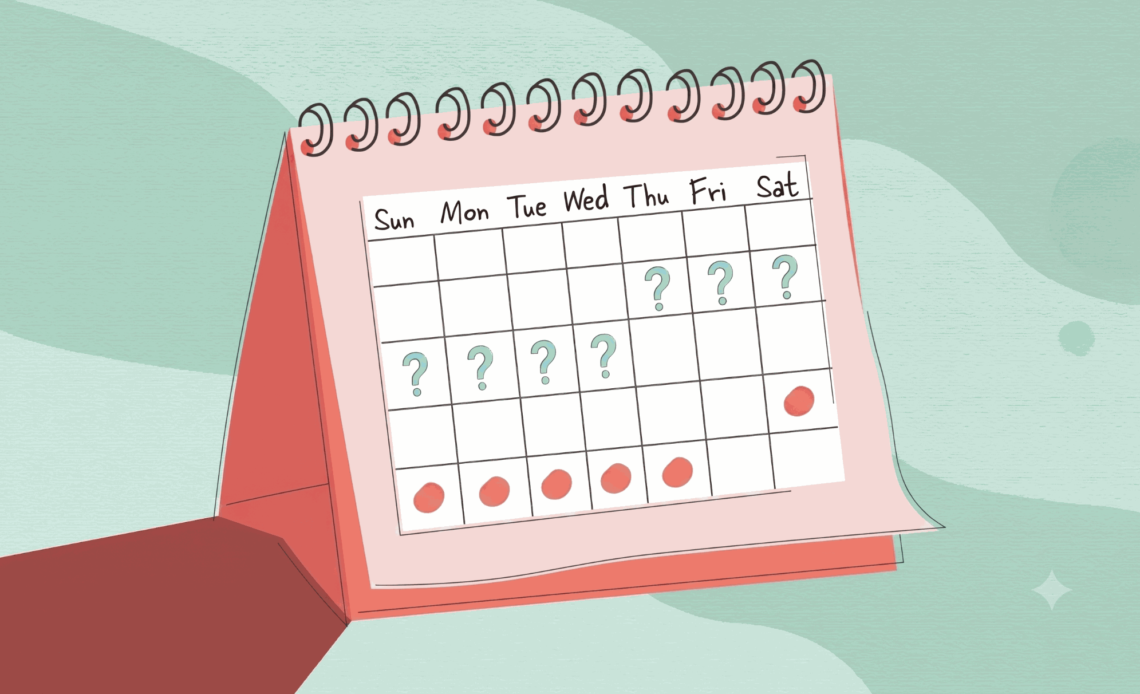
Your body follows a predictable routine every month. Hormones change, an egg matures, ovulation takes place, and when the egg does not get fertilized, your period begins. But sometimes, your period shows up late, or not at all. And even when it does, something about it feels off. There could be many reasons for this shift in routine. One possible reason is an anovulatory cycle, where ovulation simply does not happen.
It may sound unfamiliar, but it is more common than you might think. Let’s get into it.
What Is An Anovulatory Cycle?
A typical menstrual cycle begins when an egg matures in one of your ovaries. Ovulation then takes place, and hormones like progesterone rise to prepare your body for pregnancy. If your egg does not get fertilized by a sperm, you don’t get pregnant, and your period begins. Learn more about the different phases of the menstrual cycle here.
So, what is an anovulatory cycle? It is a menstrual cycle in which neither of your ovaries releases an egg. In other words, it is a cycle in which ovulation does not occur.
Even without ovulation, your body may still shed the uterine lining, which is why you might still experience bleeding in an anovulatory cycle. This happens because estrogen can still build up the lining, but without ovulation, progesterone is not produced in the usual way, which can lead to irregular or unpredictable bleeding. According to the Cleveland Clinic, bleeding in an anovulatory cycle is called AUB or abnormal uterine bleeding, not menstrual bleeding.
Blog continues after the ad.

Anovulatory Cycle Symptoms: What To Look Out For
Anovulation in women does not always come with obvious symptoms. That said, certain patterns can signal that ovulation may not be happening regularly. Common anovulatory cycle symptoms include:
- Irregular menstrual cycles: Your cycle length keeps changing, making it difficult to predict your period.
- Missed periods: You may skip cycles entirely or experience long gaps between periods.
- Unusual bleeding: Periods may be heavier, lighter, or last longer than usual.
- Lack of ovulation signs: You may not notice typical changes like egg-white cervical mucus.
- Difficulty tracking ovulation: Ovulation predictor kits or temperature tracking may not show clear patterns.
- Fertility challenges: Without ovulation, it can be difficult to get pregnant naturally (more on that here).
One of the trickiest parts of an anovulatory cycle is not knowing when spotting or bleeding might show up. That kind of unpredictability is easier to handle when you have a little backup on hand.
Nua’s Everyday Comfort Panty Liners are super-thin, stay in place, and absorb instantly, so surprise spotting doesn’t catch you off guard on days your cycle feels unpredictable.
Anovulation Causes: Why Does Ovulation Not Happen?
Ovulation depends on a delicate balance of hormones regulated by the brain and ovaries. When this balance is disrupted, ovulation may not occur, even if other parts of the menstrual cycle continue. Here are some common anovulation causes:
- Disruptions in hormones like estrogen, progesterone, FSH, or LH can prevent ovulation, leading to hormonal imbalance periods that feel unpredictable from one month to the next.
- According to research, chronic stress can lead to a loss of ovarian function and even early menopause. The link between stress and anovulation is well documented. A study published in Fertility and Sterility found that women with stress-related functional hypothalamic amenorrhea had significantly higher cortisol levels than ovulating women, and cortisol levels returned to normal once ovulation resumed.
- Significant changes in body weight can disturb the hormonal balance needed for a regular menstrual cycle. The link between weight loss and ovulation (and weight gain, too) is strong. A long-term study by researchers at the Harvard School of Public Health found that a BMI above 24 at age 18 significantly increased the risk of anovulatory infertility later in life.
- You may have PCOS (Polycystic Ovary Syndrome), which, according to the WHO, is “the most common cause of anovulation among women globally and a leading cause of infertility.” Globally, PCOS is estimated to affect between 8% and 13% of women of reproductive age and remains the leading cause of anovulatory infertility.
- You may be in perimenopause. In the years leading up to menopause, hormone levels fluctuate, and ovulation may not occur regularly.
- Lifestyle factors affecting ovulation, such as poor sleep, excessive exercise, and nutritional imbalances, can also disturb hormonal balance and disrupt regular ovulation.
How To Track Ovulation
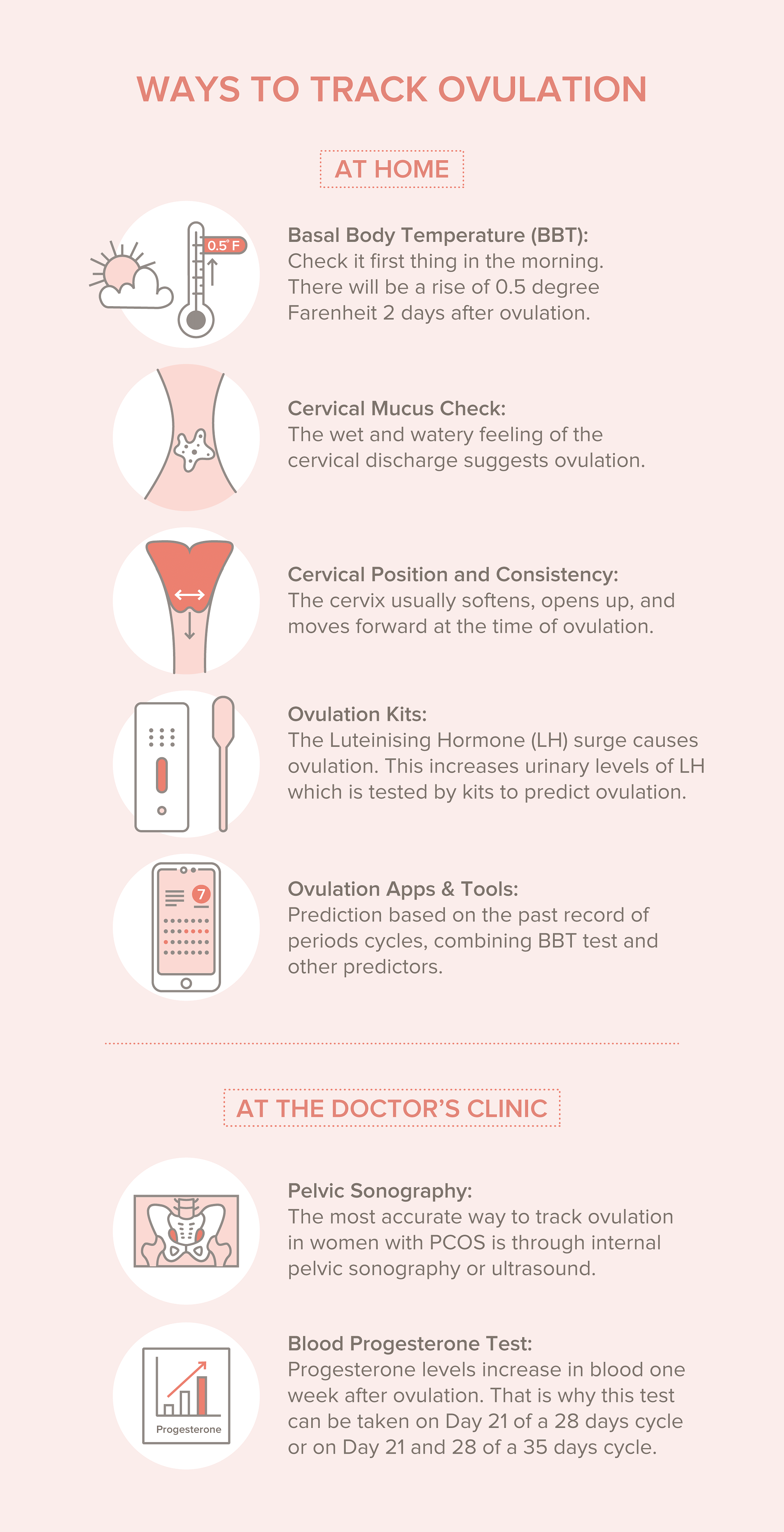
Learning how to track ovulation can help you understand whether your cycle is following a predictable pattern. This usually involves observing changes in your body over time, such as a slight rise in basal body temperature after ovulation, or shifts in cervical mucus that indicate your fertile window.
The infographic below shows how you can track ovulation, whether at home or in the doctor’s office. At-home methods include monitoring basal body temperature, observing cervical mucus changes, checking cervical position and consistency, using ovulation detection kits, and using ovulation apps. Clinical methods involve pelvic sonography, either transvaginal or transabdominal, and a blood progesterone test.
Cycle tracking often means paying closer attention to light discharge, spotting, or changes in cervical mucus. On those in-between days, comfort makes it easier to actually notice what your body is telling you.
A toxic-free option like Nua’s Everyday Comfort Panty Liners has a soft, breathable topsheet that handles light leaks quietly, so you can stay tuned in to your body without the distraction of dampness.
Treatment Options for Anovulation
Treatment for anovulatory cycles depends on the underlying cause, but in many cases, it can be managed with a mix of medical support and lifestyle changes. Medical treatment options for anovulation may include hormonal therapy to regulate the menstrual cycle, medications to induce ovulation, or targeted care for conditions like PCOS.
At the same time, there are also natural ways to regulate ovulation. Consistent lifestyle changes, such as getting adequate sleep every night, managing stress, maintaining a stable weight, and following a balanced diet, can support hormonal balance and regulate ovulation over time. It is best to consult a doctor to figure out what treatment plan would work best for you.
Lifestyle changes and hormonal treatments often take weeks (sometimes months) before your cycle settles into a rhythm. During that in-between phase, small comforts can make the wait less stressful.
Keeping Nua’s Everyday Comfort Panty Liners handy is a gentle way to stay ready for the unpredictable days, so you can focus on the changes that actually matter for your health.
When Should You Consult a Doctor?
An occasional anovulatory cycle is usually not something to worry about, especially during stressful phases of life. However, if you often have irregular menstrual cycles, frequently miss periods, or are trying to conceive without success, it is important to seek medical advice. A gynecologist will help pinpoint the underlying cause and create a treatment plan tailored to you.
Closing Thoughts
An anovulatory cycle is often your body’s response to changes in hormones, lifestyle, or overall health. Your menstrual cycle is sensitive to many factors like stress, weight fluctuations, sleep patterns, and underlying conditions such as PCOS. Even a small change in one of these areas can affect whether ovulation occurs or not.
That is exactly why paying attention to patterns matters. If irregular cycles or missed ovulation become frequent, they may be your body’s way of telling you that something needs attention. Tracking your menstrual cycle over time, noticing irregularities and changes, and seeking medical advice when needed can help you understand what is happening and take the right next steps.
FAQs
1. Can you have a period without ovulating?
Yes. You may still experience bleeding during an anovulatory cycle due to hormonal changes, but it is not considered a true menstrual period and is often irregular.
2. What causes an anovulatory cycle?
Anovulatory cycles are commonly caused by hormonal imbalances, stress, significant weight changes, PCOS, perimenopause, excessive exercise, or poor sleep habits.
3. How do I know if I’m not ovulating?
Irregular or missed periods, the absence of egg-white cervical mucus, and difficulty detecting ovulation through tracking methods may indicate that you’re not ovulating.
4. Can you get pregnant during an anovulatory cycle?
No. Since no egg is released during an anovulatory cycle, natural conception cannot occur during that cycle.
5. Can anovulatory cycles be treated?
Yes. Treatment depends on the underlying cause and may include lifestyle changes, hormone therapy, ovulation-inducing medications, or treatment for conditions such as PCOS.
6. When should I see a doctor for anovulatory cycles?
You should consult a doctor if you frequently miss periods, have consistently irregular cycles, experience abnormal bleeding, or are trying to conceive without success.
Disclaimer
The content of this article is provided for general informational and educational purposes only and is not intended to constitute medical advice, diagnosis, or treatment. The information shared is of a general nature and may not be appropriate for all individuals or specific circumstances. Readers should not disregard, delay, or substitute professional medical advice based on the information contained herein.
If you experience any symptoms, notice anything unusual, or have concerns relating to your health or overall wellbeing, you should consult a qualified healthcare professional. While every effort is made to ensure the information shared is accurate and up-to-date, Nua makes no representations or warranties, express or implied, regarding the accuracy, completeness, or suitability of the information provided and disclaims all liability arising from reliance on this content to the fullest extent permitted by law.