
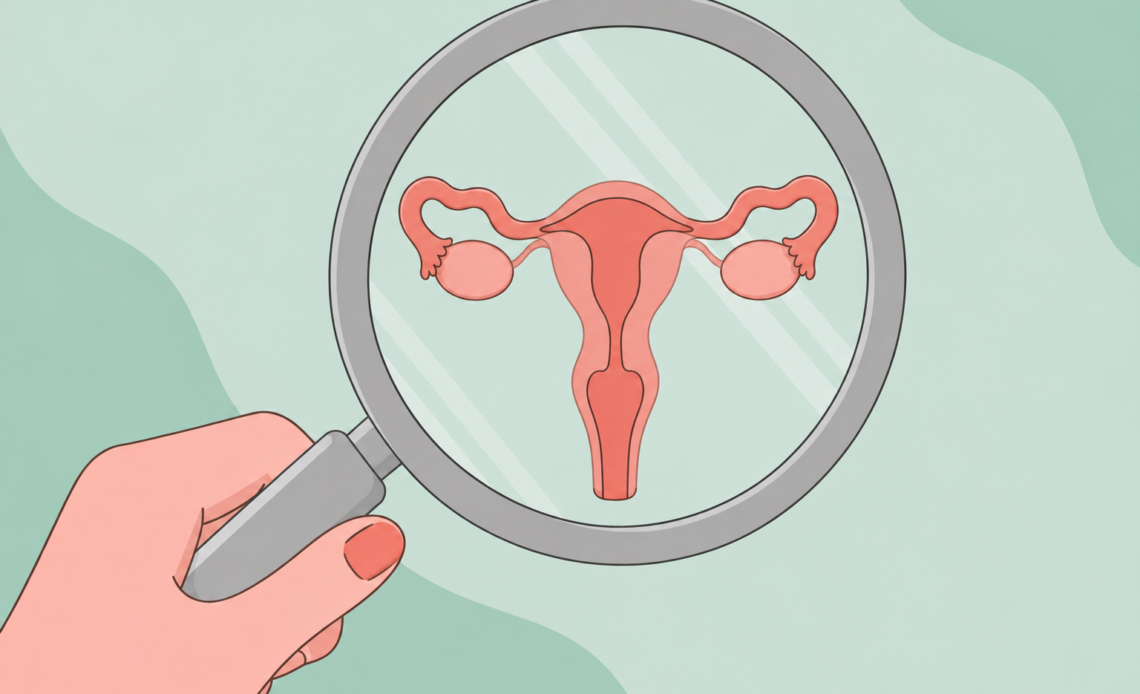
What you will learn in this blog about why women were excluded from medical research:
- The male body was treated as the default in medical research, while women were often studied mainly in relation to reproductive health.
- Pregnancy and hormonal changes were seen as complications that made women harder to study, reinforcing their underrepresentation in research.
- The thalidomide tragedy led to the FDA discouraging the inclusion of women of childbearing age in early-phase drug trials in 1977.
- The exclusion of women left important gaps in understanding how diseases and treatments can affect women differently.
- This women’s health research gap had real-world consequences, including higher rates of adverse drug reactions and delays or errors in disease diagnosis.
- Women are better represented in research today, but significant gaps in female participation and sex specific medical data still remain.
Why women were excluded from medical research starts with a word you’ve probably heard before. Hysteria.
Today, we use it to describe someone who’s wildly emotional or panicking. But the word originally came from the Greek hystera, meaning uterus.
Yep. Uterus.
For centuries, doctors genuinely believed that a woman’s uterus could “wander” around her body, causing all kinds of physical and psychological symptoms.
Pain? Hysteria.
Anxiety? Hysteria.
Fainting? Hysteria.
A symptom they couldn’t explain? You get the idea.
While the wandering womb theory eventually disappeared, the idea behind it lingered… that women’s bodies were somehow too complicated or unpredictable to study easily.
When modern medical research started taking shape, that thinking had consequences. Women were often left out of clinical studies and trials, with concerns ranging from fluctuating hormones in clinical trials to the possibility of pregnancy.
And so, for decades, we built medical knowledge largely around the male body and assumed it would work for everyone else too. This created a gender bias in medical research that contributed to a women’s health research gap we’re still trying to understand today.
So, let’s dig deeper into the history of women in medical research.
Why Women Were Left Out of Medical Research
Clinical trials for medical research started in the mid-20th century, as more and more new medicines were being developed and researchers needed a proper way to test them before they reached patients.
And the inclusion of women in medical studies was pretty common back then. However, there was a pretty obvious divide.
Women were mainly studied for reproductive health
Women were mostly studied for things related to their bodies, like reproductive health, while men were used to examine pretty much everything else, including ALL the diseases and medicines that could affect BOTH men and women.
This was reinforced by the way medicine itself was taught. Medical books and even skeletons used in science labs had long treated the male body as the standard, while women’s bodies were often seen as something that mainly needed to be studied when it came to reproduction.
Blog continues after the ad.

Social expectations made women harder to include in trials
Social expectations around modesty meant that women being examined or treated by male doctors could be considered improper or undignified. This created another barrier to women’s participation in medicine and medical research.
A natural solution would have been to have more female doctors for researching women. But women had far fewer opportunities to study and work in medicine, so that simply wasn’t possible.
Women were seen as difficult to study because of periods
Researchers saw men as more “straightforward” research subjects. Women’s menstrual cycles naturally cause hormone levels to change throughout the month. Researchers worried that these changes could affect how women responded to medicine or treatment, making the results harder to compare and understand.
This meant researchers had to consider where women were in their menstrual cycle, making studies more complicated to plan. Instead, it often seemed easier to study men and treat their results as the standard.
In short, the ease of studying men, combined with a system that had long been built around men, made the male body the default in medical research.
How The Thalidomide Tragedy Reinforced This Exclusion
Despite the clear bias towards men, you could still see some representation of women in medical research until the thalidomide tragedy.
In the late 1950s and early 1960s, thalidomide (a sedative) was widely prescribed to pregnant women for morning sickness. However, its effects during pregnancy had not been properly studied, and it was not tested on pregnant animals for potential effects on the foetus before being marketed.
The result was devastating. As per reports, thalidomide was linked to more than 10,000 children being born with severe birth defects across 46 countries, particularly limb deformities, including children born without fully developed arms or legs.
And what happened next is where things get complicated.
In an attempt to protect women from another tragedy like thalidomide, the FDA issued guidelines in 1977 discouraging the inclusion of women of childbearing age in early-phase drug trials.
And it wasn’t just drugs being developed for pregnant women. The guidelines affected research across the board, meaning women were being left out of studies for general medicines that they would eventually be prescribed, too.
The intention was protection. But the impact was exclusion.
But What About Women Who Weren’t Pregnant?
If the entire rationale for limiting participation of women in medical research was protecting fertility and pregnancy, you’d expect the exclusion to ease up for women who weren’t at risk of either.
Well, it didn’t.
Women who had already gone through menopause, women who’d had hysterectomies, women reliably using contraception, all of them were still frequently left out or underrepresented in trials that had nothing to do with reproductive risk.
All this suggests the real driver behind the women’s health research gap was researchers not wanting to deal with a population seen as more “complicated.”
What This Actually Meant for Women’s Health
Lack of female representation in medical research wasn’t just a problem sitting inside medical papers. It followed women straight into the real world.
Overmedication and more side effects
A 2020 analysis looked at 86 FDA-approved medicines, including commonly used drugs for things like heart conditions, depression, pain, and seizures.
What they found was pretty alarming. Women were often given the same dose as men, even though the drugs stayed in their bodies for longer and reached higher levels in their blood. And because of that, in more than 90% of these cases, women experienced worse side effects than men. So much so that women were found to have nearly 2x the rate of adverse drug reactions.
Lack of understanding of pain
Estrogen and progesterone, hormones that change throughout the menstrual cycle, influence how the body processes pain (more on that here). This can affect pain sensitivity and how a woman responds to a painkiller, including the dose she may need at different points in her cycle.
This is a VERY important place where the impact of the menstrual cycle on medical research comes in. But researchers spent decades treating it as a complication rather than a variable worth studying in women.
Gaps in treatment and diagnosis of diseases
Gender bias in medical research can affect how diseases are understood, diagnosed, and treated in women.
Take heart attacks, for example.
Our idea of what a heart attack “looks like” is largely based on research involving men.
The classic movie version is a man clutching his chest with crushing chest pain. Women can have that too, but they may also experience nausea, unusual fatigue, shortness of breath, or pain in the jaw, back, or stomach. These symptoms, however, have been less recognised as signs of a heart attack, making them easier to miss or dismiss.
In fact, one study found that women were around 50% more likely than men to receive the wrong initial diagnosis after a heart attack.
For a closer look at how heart attacks can show up differently in women, read Hetal’s story and her journey to better heart health.
Women-specific diseases remain poorly understood
The lack of research on women also meant that conditions like endometriosis, PCOS, and PMDD were often poorly understood, leaving major gaps in our understanding of their causes, symptoms, and treatment. To this day, symptoms of these conditions are more likely to be dismissed or mistaken for something else. Diagnosis is often delayed, leaving women without the right treatment for longer and allowing symptoms to worsen. Learn more about it here.
These are just a handful of examples. The problem was never that women’s bodies were too complicated to study. We simply spent too long studying one body and assuming it could speak for everyone.
What’s Changed Since, and What Hasn’t
In 1993, the NIH finally reversed the earlier exclusion and required women to be included in federally funded research. That was 16 years after the 1977 guidelines had pushed women out.
But changing the rule didn’t magically fix the gap. There was no strong enforcement mechanism, and women continued to be underrepresented in research for years after.
Things have improved since then. Women are studied far more today, and there’s growing momentum and funding around women’s health research.
But we’re still not quite there.
An analysis of more than 1,400 clinical trials involving over 300,000 participants found that women made up just 41.2% of participants on average. That’s still lower than the proportion of women affected by many of the conditions being studied.
So yes, things have changed. But equal representation in medical research still isn’t the norm, and we’re still missing sex-specific data for many medicines.
A Second Opinion Might Be Due
Gender bias in medical research isn’t ancient history, and it’s not a conspiracy theory either. It’s the truth that quietly shaped an entire century of medicine.
Think about it. Most of the medications sitting in a woman’s cabinet right now were approved before 1993, tested on a research population that, by design, looked nothing like half the people eventually taking them.
Things have changed since then. Women are far more represented in research today, and women’s health is finally getting more attention. But the gaps haven’t disappeared. We’re still working with decades of research that didn’t always ask how medicines, diseases, and treatments might work differently in women.
So the next time you hear that something is “normal” for women, it’s worth asking a slightly annoying question. Normal according to whom?
Have you noticed a medication or diagnosis that seemed to affect you differently than expected? Drop it in the comments and let’s raise awareness together.
Disclaimer
The content of this article is provided for general informational and educational purposes only and is not intended to constitute medical advice, diagnosis, or treatment. The information shared is of a general nature and may not be appropriate for all individuals or specific circumstances. Readers should not disregard, delay, or substitute professional medical advice based on the information contained herein.
If you experience any symptoms, notice anything unusual, or have concerns relating to your health or overall well-being, you should consult a qualified healthcare professional. While every effort is made to ensure the information shared is accurate and up-to-date, Nua makes no representations or warranties, express or implied, regarding the accuracy, completeness, or suitability of the information provided and disclaims all liability arising from reliance on this content to the fullest extent permitted by law.