What you will learn about newborn hygiene in this blog:
- Newborn hygiene comes down to five simple areas, which are bathing, diaper-area cleaning, face and body cleaning, hand hygiene, and keeping everyday baby items clean.
- Warm water and a soft cloth are enough for most newborn cleaning in the early weeks.
- Sponge baths are the way to go until the umbilical cord stump falls off, and after that, two to three baths a week are plenty.
- Newborn skin is still building its protective barrier, so cleaning gently matters more than cleaning thoroughly.
- Washing your hands before you pick up your baby is the single most useful hygiene habit you can have.
- Over-bathing, harsh products, and cotton buds inside ears are the most common newborn hygiene mistakes.
Your baby is finally here, and suddenly, even the simplest things come with approximately a million questions. How often do you bathe them? Can you use regular soap? Do you really have to wash your hands every single time? And how on earth do you clean a baby who seems to be made entirely of delicate little folds?
Well, well, well…Welcome to newborn hygiene, where even bath time can feel like a task you need to have read 5 books to get right.
But take a deep breath. It doesn’t have to be that complicated. You don’t need an entire shelf of baby products or a complicated newborn hygiene routine to keep your baby clean. Their skin is still developing its protective barrier, so gentle cleaning and a few simple daily habits are more than enough.
Let’s break down how to clean a newborn baby without overthinking it, especially when you’re running on like 2 hours of sleep.
What Does a Newborn’s Hygiene Routine Include?
Think of a newborn hygiene routine as five small areas. None of them takes long, and you don’t have to do them all at once.
- Bathing: Sponge baths at first, then proper baths a couple of times a week.
- Diaper-area cleaning: Clean your baby’s bottom gently after every poo, wiping from front to back.
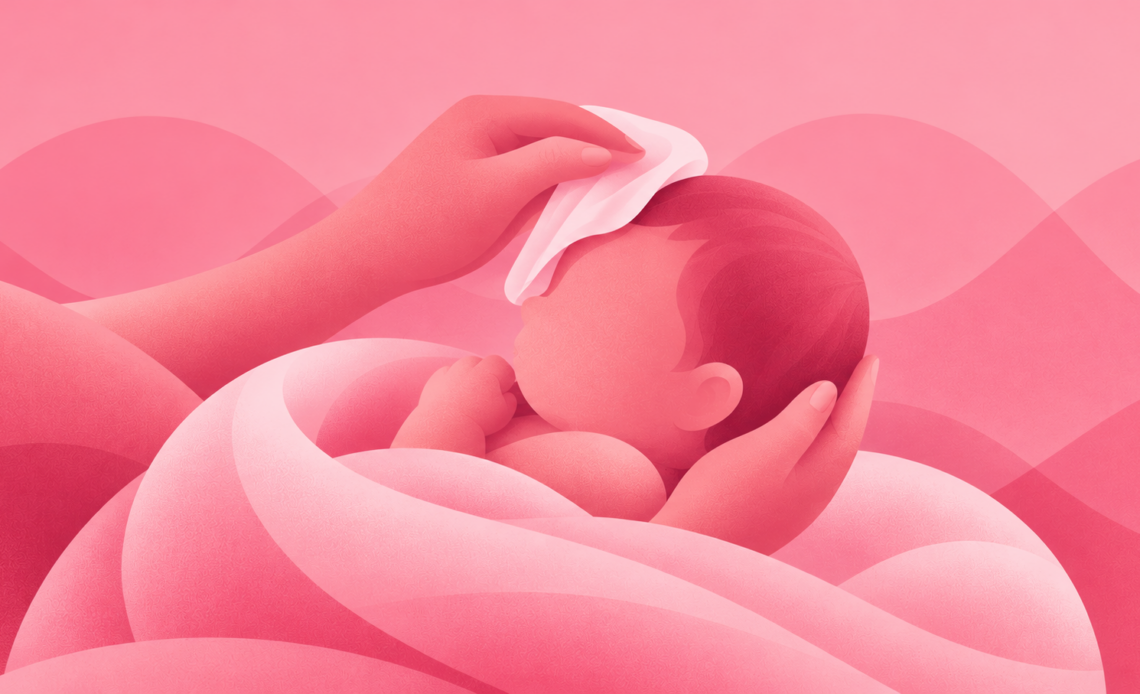
- Face cleaning: Milk dribbles and spit-up can collect around your baby’s mouth, chin, and neck. Use a soft cloth dampened with warm water to gently wipe away residue
- Hand hygiene: Yours, your partner’s, and every visitor who wants a cuddle.
- Keeping everyday items clean: Clothes, bedsheets, burp cloths, toys, feeding items, and anything else that spends time near your baby.
How to Clean a Newborn Baby Safely
You don’t need to give your baby a full bath every time they need a clean-up. A little warm water and a soft cloth can take care of most everyday messes. Here’s how to do it, one tiny body part at a time.
- Get everything ready first: Keep warm water, a soft cloth or cotton pads, a clean towel, a fresh diaper, and clean clothes within reach. You should never have to step away from your baby mid-clean.
- Wash your hands before you begin, then lay your baby on a safe, flat surface. Keep one hand on them whenever they’re on an elevated surface to make sure they don’t fall.
- Start with the face: Dip a clean cloth in warm water, wring it out, and gently wipe the forehead, cheeks, and chin. For the eyes, use a separate clean piece of damp cotton for each eye and wipe from the inner corner to the outer corner.
- Move to the ears and neck: Wipe only the outer ear and behind the ears. The neck folds hold a lot of milk and sweat, so lift the chin gently and wipe in there too.
- Don’t forget the hands: Newborns keep their fists closed most of the time, and little bits of lint love hiding in there, so make sure to unclench their hands and wipe on the inside
- Clean the body: Wipe the chest, tummy, arms, armpits, back, and legs, one part at a time. Keep the rest of the baby covered so they don’t get cold.
- Do the diaper area last: Use a separate cloth or cotton pad for this part. (More on this below.)
- Pat dry, then dress: Gently pat every fold dry before putting on the diaper and clothes.
Your baby doesn’t need a full top-to-toe clean every single time they make a tiny mess. Clean the areas that need it, keep those little folds dry, and save yourself the extra work. You’ve got enough going on already.
Newborn Bathing and Hygiene Basics
Baby’s first bath! A milestone you might have imagined as full of cute splashes and adorable photos. The reality? You’ve got a slippery little human who’s surprisingly hard to hold, and very little idea what you’re doing.
It’s okay. It’s all a learning curve.
Note: Until the umbilical cord stump falls off and the area heals, which usually takes one to three weeks, stick to sponge baths. After that, two to three baths a week are generally enough. Daily baths aren’t necessary and can leave your baby’s skin dry and irritated.
Here’s how to do a sponge bath:
- Choose a warm, comfortable room. Newborns can lose body heat quickly, so avoid cold, airy rooms.
- Wash your hands and undress the baby, leaving the diaper on until the end.
- Wrap them in a towel, and uncover only the part you’re washing to help them stay warm throughout the bath.
- Keep one hand supporting their neck. Newborns can’t hold their heads up independently just yet.
- Clean gently. Use your hand or a soft cloth with a mild, baby-safe cleanser if needed.
- Skip the bubble baths and heavily fragranced products. Simple, gentle products are usually all you need.
- Wash the face first, then move down the body, taking care of the folds. Hair comes last because wet hair can make your baby lose heat more quickly.
- Always keep one hand on your baby. A wet baby is a VERY slippery baby.
- Keep it short. As per research, five to ten minutes is enough, and the water shouldn’t be cooling down by then.
- Lift the baby out, wrap them up, and pat dry. Make sure the neck, armpits, and thigh creases are dry, as moisture traps easily here and can cause irritation.
- Dress them quickly and keep them cozy.
How to Keep the Diaper Area Clean
Ah, diaper duty. Not the most glamorous part of parenthood, but definitely one you’ll get very familiar with. Research shows newborns need a diaper change every 1-3 hours. That’s anywhere between 8 and 12 diaper changes a day. And yes, their little bottoms need cleaning EVERY. SINGLE. TIME.
Because when urine and stool stay against the skin for too long, they can cause irritation and increase the risk of diaper rash. So, regular changes and gentle cleaning are your only defence here.
Here’s the step-by-step for diapering:
- Change as soon as it’s wet or soiled: No waiting until the diaper feels ‘full’. Check frequently and change promptly, especially after a poop.
- Wipe away the stool: Use the front, clean part of the opened diaper to gently wipe off as much poop as you can.
- Then, clean gently: Use warm water and cotton, a soft cloth, or fragrance-free, alcohol-free baby wipes to wipe front to back. For baby girls, clean only the outer area. There’s no need to clean inside. For baby boys, clean around the penis and scrotum, and don’t pull the foreskin back.
- Don’t forget the folds: Gently clean the creases around the thighs and groin, but don’t scrub.
- Pat dry. Gently dry the area before putting on a fresh diaper. Trapped moisture can contribute to irritation, so pay attention to those little folds.
- Give the bum some air time: A few minutes without a diaper can help the skin dry out and reduce the moisture that contributes to diaper rash. Just put down a towel first to catch any little accidents.
Note: If your baby’s diaper area looks red, shiny, or sore, they may have diaper rash. Apply a baby-safe rash cream, or contact your paediatrician if the rash is severe, worsening, or doesn’t improve after a few days.
A well-fitting diaper also helps keep moisture away from your baby’s skin. Learn how to pick the right size, fit and style for your baby here.
Everyday Hygiene Habits for New Parents
Your baby has a tiny immune system that’s still learning how to function, so your own hygiene habits are just as important as making sure the baby is clean. But before you start bleaching every surface in sight, relax. You only need simple, everyday habits that keep germs at bay. You don’t need to be paranoid about every little speck of dust.
- Wash your hands before picking up your baby: Also after every diaper change, before feeding, and whenever you come in from outside. And yes, ask visitors to do the same, even if they’re just dropping by.
- Keep feeding items clean: Wash bottles, nipples, and pump parts in hot, soapy water after every use. Ask your paediatrician whether you need to sterilise them too.
- Wash baby clothes, bedsheets, and burp cloths regularly: Use a mild detergent, rinse thoroughly, and consider skipping fabric softener to avoid irritation. Change anything that’s soiled right away.
- Clean frequently touched surfaces: Changing mats, toys, feeding areas, and the surfaces where you place your baby should be cleaned regularly, especially when visibly dirty.
- Keep your nails short and clean: Long nails can accidentally scratch your baby’s delicate skin or trap dirt and germs.
- Wipe down your phone: It goes everywhere with you, and it’s probably been near your baby more than you think.
Common Newborn Hygiene Mistakes to Avoid
When you’re caring for a newborn, it’s easy to think that MORE cleaning means better hygiene. More baths, more products, more wiping. But that’s not always the case. Sometimes, keeping things simple is exactly what your baby needs.
Here are a few common newborn hygiene mistakes to watch out for.
- Over-bathing: Daily baths can dry out delicate skin. Two to three a week is enough.
- Using products that are scented or meant for adults: Regular soaps, perfumed lotions, powders, and some oils can irritate newborn skin. Keep everything fragrance-free and gentle. Not sure what to look for on the label? Our baby skin care guide explains how to choose gentle products here.
- Cleaning too aggressively: Scrubbing, rubbing, or picking at flakes and bumps does more harm than good.
- Applying kajal or surma to the eyes: It’s a common tradition, but it isn’t recommended for newborns, as it can irritate the eyes and cause infections.
- Using the same washcloth for the face and diaper area: Keep separate washcloths for each.
- Leaving folds damp: Moisture trapped in the neck, armpits, and thigh creases is where irritation starts. Always pat dry.
- Leaving a wet diaper on for too long: Prolonged contact with urine and stool can irritate the skin and contribute to diaper rash.
- Using water that’s too hot: Newborn skin is far more sensitive than yours. If it feels hot to your elbow, it’s too hot.
- Using cotton buds in the ears and nose: They can push things further in. So, wipe only what you can see.
- Skipping hand hygiene: Not washing your hands before handling the baby can make it easy for germs to spread to your newborn, whose immune system is still developing.
When Should Parents Seek Medical Advice?
Most newborns do just fine with everyday care, but certain symptoms need medical attention. Contact your paediatrician if you notice any of the following:
- A rash that isn’t getting better: Especially one with blisters, open sores, bleeding, or pus.
- Persistent irritation: Redness, dryness, or soreness that sticks around even after you’ve simplified your routine.
- Yellowing of the skin or eyes: Particularly if it appears in the first 24 hours, spreads, or comes with poor feeding or unusual sleepiness.
- An umbilical cord stump that looks infected: Look out for spreading redness, pus, a bad smell, or bleeding.
- Eye issues or infections. Contact your paediatrician if your baby’s eyes become red, swollen, or sticky, especially if you notice pus or discharge.
- A fever: In a baby under three months, a temperature of 38°C (100.4°F) or above needs medical attention right away.
Less Scrubbing, More Snuggling
And there you have it. Newborn hygiene isn’t about keeping your baby spotless 24/7. It’s about knowing what needs cleaning, using gentle products, and building a few simple habits into your day.
Some days, you’ll have the routine down. Other days, you’ll wonder how one tiny human can create THIS much laundry. Both are completely normal.
So, keep the warm water handy, wash those hands, and don’t stress over every little mess. You’re learning as you go, and that’s what matters.
And if you’re figuring out feeding, sleep and everything else that comes with a newborn, our newborn care guide for first-time parents has you covered here.
Got a newborn hygiene question we haven’t covered? Drop it in the comments. Let’s figure it out together!
FAQs
What is the best way to maintain newborn hygiene?
Wash your hands before handling your baby, clean the diaper area gently at every change, wipe the face and folds with warm water, stick to sponge baths until the cord stump falls off, and keep baby items clean.
How often should you clean a newborn baby?
The diaper area needs cleaning at every change, and the face, neck, and hands can be wiped daily or whenever they’re dirty. A full bath is only needed two to three times a week.
How often should you bathe a newborn?
Once the cord stump has fallen off, two to three times a week is generally enough. Until then, stick to sponge baths.
How do you clean a newborn’s diaper area?
Wipe off stool, clean gently with warm water and cotton or a soft cloth from front to back, then pat completely dry before putting on a fresh diaper.
What hygiene products does a newborn actually need?
Not many. Warm water, soft cotton cloths, and a clean towel are enough at first. If you want to use a wash, pick a mild, fragrance-free one.
What should you avoid when cleaning a newborn?
Avoid cotton buds in the ears and nose, scented or adult products, scrubbing, hot water, kajal in the eyes, and leaving skin folds damp.
Disclaimer
The content of this article is provided for general informational and educational purposes only and is not intended to constitute medical advice, diagnosis, or treatment. The information shared is of a general nature and may not be appropriate for all individuals or specific circumstances. Readers should not disregard, delay, or substitute professional medical advice based on the information contained herein.
If your baby experiences any symptoms, or if you notice anything unusual or have concerns relating to their health or overall wellbeing, you should consult a qualified healthcare professional. While every effort is made to ensure the information shared is accurate and up-to-date, Nua makes no representations or warranties, express or implied, regarding the accuracy, completeness, or suitability of the information provided and disclaims all liability arising from reliance on this content to the fullest extent permitted by law.