
You know that feeling when the sky turns grey, your bus is late, and your jeans are already clinging to you like a second (very wet) skin? Now imagine your period showing up right in the middle of it. Welcome to the reality of monsoon menstrual care, where discomfort isn’t just a mood, it’s a full-body experience. That’s why you need to especially take care of your menstrual hygiene in the rainy season.
Periods during this season hit different. It’s not just the blood, it’s the sweat, the rain, the soggy clothes, and that constant dampness you can’t shake. And for those of us who are traveling, navigating packed commutes, or just trying to get through a high-stakes day, it’s even more critical to pay attention to monsoon menstrual care.
This guide isn’t about surviving. It’s about making empowered, thoughtful choices to protect your health and peace of mind. Let’s talk about managing periods in humid weather in a way that respects your body and your life.
Watch out for Infections Caused by Humidity
Before we even get into fabrics and pads, let’s talk health. According to research, monsoon humidity creates the perfect breeding ground for bacteria and fungi, which means the chances of vaginal infections, UTIs (urinary tract infections), and yeast infections increase dramatically.
Studies show that the incidence of urinary tract infections (UTIs) is seasonal, and this seasonality may be explained by changes in weather. UTIs are especially common during monsoon due to a mix of poor toilet hygiene in public places and prolonged moisture exposure. Yeast infections thrive in warm, damp conditions. And bacterial vaginosis is triggered by pH imbalances, often caused by synthetic underwear or fragranced products.
Common symptoms to watch for are unusual discharge, irritation, itching, and a burning sensation during urination. Don’t brush these off—they’re your body’s way of flagging distress. See a healthcare provider at the first sign. Feminine hygiene in damp climates is as much about infection prevention as it is about staying fresh.
Let’s Talk Swamp Pants (and How to Avoid Them)
As you already now know, moisture is the enemy. The combo of rain-soaked clothes, sweaty inner thighs, and poorly ventilated pads can trigger painful rashes and long-term irritation.
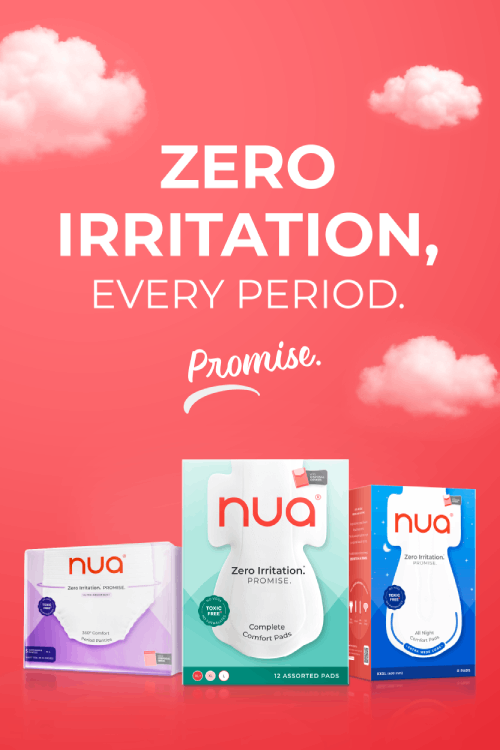
The fix? Start with your pad. Nua’s Ultra-Safe Sanitary Pads are a smart choice. They’re ultra-thin, breathable, and available in three flow levels. The top layer feels soft and non-irritating, reducing friction. If you’re traveling or out for hours, pack extras and change every 4-6 hours to avoid infection during monsoon. These are among the best sanitary pads for rainy season.
Odour Is Natural—But Let’s Keep It in Check
Humidity intensifies odour. Period blood itself isn’t particularly smelly, it’s the bacteria that grow when it’s left to sit in damp conditions that cause the funk.
Odour control during periods in monsoon depends on a few simple practices. Change your pad often, use breathable materials, and avoid synthetic fabrics that trap heat. Nua’s toxin-free, fragrance-free pads help here by not adding artificial scents that can disrupt your natural balance.
If you’re moving around all day, pH-balanced intimate wipes like Nua’s can help you stay clean and comfortable. They’re gentle enough for daily use and don’t contain harsh chemicals or fake floral scents.
And let’s not forget underwear. Breathable cotton is best. Synthetics trap heat and moisture, which accelerates bacterial growth and odour too. We’d say think of your underwear drawer as an essential tool in your monsoon period care arsenal and keep it basic and comfy.
Your Travel Kit: Portable, Practical, Powerful
Whether you’re navigating crowded buses during a downpour or dealing with damp office seats after a morning commute, a well-stocked hygiene kit can be your best defense against period discomfort in humidity.
Here’s what to carry:
- Nua Ultra-Safe Pads in multiple sizes
- Panty liners for spotting or low-flow days
- Nua Intimate Wipes
- Zip pouch for storing used products
- Spare underwear
- Lightweight outer layer (like a wrap or jacket)
- Travel-size deodorant
- Hand sanitizer (a must for clean pad changes on the go)
This kit isn’t just about convenience, it’s about control. Rainy season menstrual care tips often forget that hygiene in public spaces can be hard to manage. Planning ahead puts the power back in your hands.
This is also a proactive step in menstrual hygiene in rainy season, a small but impactful ritual that helps you stay dry during periods even in unpredictable downpours.
Clothing Choices That Support Hygiene
What you wear impacts how you feel, and your risk of infection. Denim takes forever to dry and clings in all the wrong ways. Synthetic leggings? They trap heat.
During the monsoon, opt for loose-fitting, breathable cottons or athletic fabrics designed to wick away sweat. Skirts and flowy dresses work great for airflow. Add moisture-absorbing anti-chafing shorts underneath for extra protection.
Your wardrobe becomes an active player in how you stay fresh during periods in monsoon. The fewer sweaty, clingy layers you have near your skin, the lower your risk for irritation and infection. This too is key to managing periods in humid weather.
Bonus tip: Always carry and extra, compact change of clothes! You never know when and where you may get stuck and having a dry change of clothes makes a huge difference, for zero irritation and zero infections!
Rash Prevention: A Skin-Care Priority
Rashes are more than just annoying, they can be painful and potentially lead to secondary infections if not addressed. Prevent rashes during periods by:
- Drying off thoroughly after using the toilet
- Using barrier creams (zinc oxide or baby rash creams work)
- Sleeping in dry, breathable clothing
- Avoiding tight, damp clothes for long periods
If your flow is light, go pad-free at night. Let your skin breathe. If you’ve had a particularly damp and cold day, use Nua’s Cramp Comfort heat patch for relaxation and pain relief. It’s designed to soothe cramps without medication and offers a sense of calm after a long, wet and cold day.
These feminine hygiene tips for humid weather aren’t just about surface care—they’re preventative medicine. And prevention is everything when you’re trying to avoid infection during monsoon.
Rest Isn’t a Luxury—It’s Essential
Sleep and rest directly impact your immune system, your mood, and how your body handles period-related inflammation. But let’s be honest, getting good sleep in sticky weather can be tough.
Set the stage: a fan or air circulation, breathable sheets, cotton sleepwear. Drink something warm and anti-inflammatory, like a warm glass of turmeric milk or ginger tea. Both support digestion and can help ease bloating and discomfort naturally, without adding extra heaviness in already humid weather.
Here’s the thing to remember, especially in the gloomy weather: Rest isn’t indulgent. It’s restorative. Period hygiene during monsoon includes giving your body the time and space it needs to recover. It’s the kind of advice that often gets overlooked but makes a huge difference.
Managing periods in humid weather is a shared reality. And yet, many of us feel like we have to power through in silence. Let’s change that.
Talk to your friends, sisters, coworkers. Share tips. Discuss what products work for you. Recommend Nua if you love it. Send this guide to someone who just got their period in the middle of a downpour.
We need more honesty and fewer euphemisms. Period discomfort in humidity isn’t embarrassing, it’s a health challenge many of us navigate every month. Let’s not pretend otherwise. Embrace open, clear conversation about rainy season menstrual care tips and normalize taking charge of your wellness.