
There’s a very particular kind of silence your body makes when your period doesn’t show up. It’s loud, distracting and a ‘what does this mean?’ kind of quiet. And the first thought is almost always the same …pregnancy?
But here’s the thing, your body isn’t a clock. It’s a dynamic, emotional, hormonal, temperature-sensitive, sleep-dependent, stress-reactive ecosystem. And a missed period is your body waving a little flag that says, “Hey, something’s up. Pay attention.”
Sometimes that “something” is pregnancy. Other times, it’s stress, hormones, nutrition, medication, illness, or just your body asking for a timeout. The frustrating part? All of those possibilities can feel the same on the surface.
So let’s break this down, here’s how to really understand what your body might be telling you.
First, Yes. Pregnancy Is a Possibility.
If you’re sexually active and your period is usually pretty predictable, pregnancy is the most straightforward explanation. Your hormones shift quickly once a fertilized egg implants, and your cycle presses pause.
Signs that point in this direction:
- Your breasts feel suspiciously tender or full
- You’re suddenly exhausted in a way that feels bone-deep
- Food smells too strong or makes you weirdly emotional
- You’re peeing all the time
- You feel slightly nauseous (especially in the morning)
Also, some people experience light spotting early on called implantation bleeding, so don’t assume light blood means your period arrived.
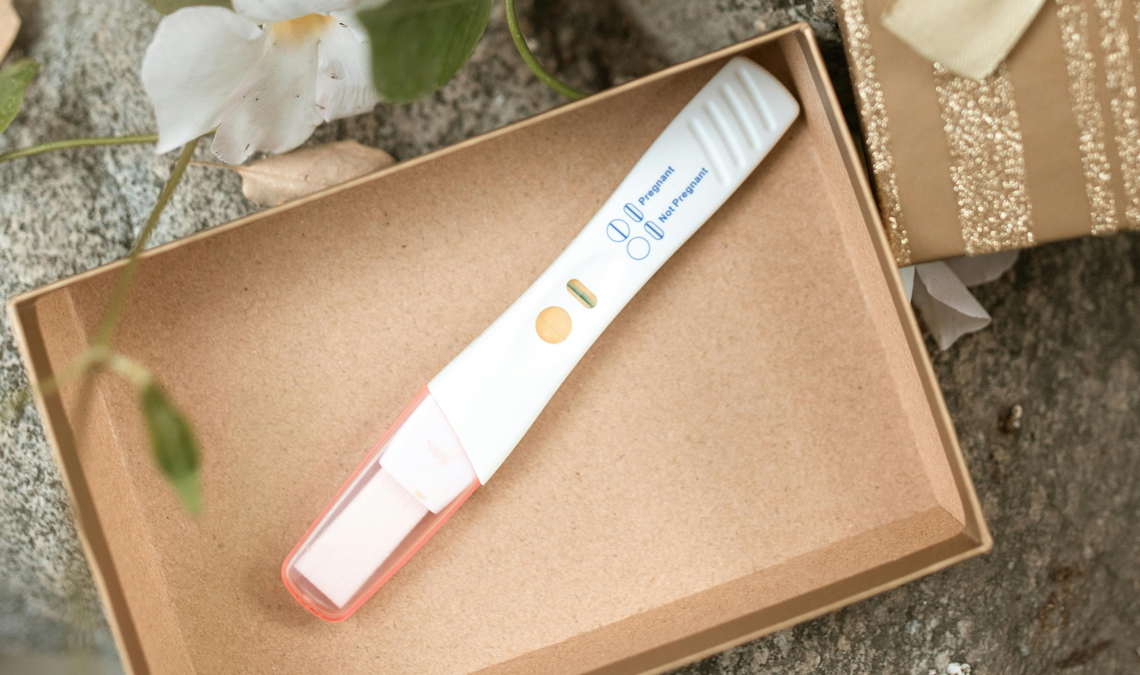
If your mind keeps circling pregnancy like it’s the only possible answer, take a test. Sometimes clarity is the most grounding self-care.
Next, Let’s Talk About Stress.
Stress is one of the most underestimated disruptors of the menstrual cycle. Research has found a marked an association between psychological stress and increased menstrual dysfunction, with the most common disruptions being irregular menstruation and abnormal menstrual flow.
Your brain—the hypothalamus, specifically—helps regulate hormones that trigger ovulation. If your nervous system is running survival mode? Your brain simply deprioritizes reproduction.
Translation, your body’s like, We’re in danger. No periods right now.
Signs stress might be the culprit:
- You’re not sleeping well
- Your appetite has changed
- You feel emotionally short-fused, numb, or overwhelmed
- You’ve had a major life shift (new job, heartbreak, move, burnout)
Stress doesn’t just live in your mind, it lives in hormones. And hormones live in your cycle.
Even if you think you’re fine, your body might not agree. It remembers everything you try to power through.
Another Possible Factor? Hormonal Imbalance
Your hormones are in a constant dance. When one goes off-beat, the whole performance changes.
Two common disruptors:
PCOS (Polycystic Ovary Syndrome)
A condition where the ovaries produce excess androgens. Symptoms often include:
- Irregular periods (or months without one)
- Acne or excess hair growth
- Weight fluctuations
- Hair thinning
Read more about it here.
Thyroid Disorders (Hyper or Hypo)
Your thyroid controls metabolism. When it’s overactive or underactive, your cycle responds.
Possible signs:
- Sudden weight gain or loss
- Feeling unusually cold or hot
- Fatigue no amount of sleep fixes
If your period has been irregular for months, not just once, this is worth checking. A blood test can be incredibly clarifying.
Read more about it here.
Your Body Also Notices Changes You Think Are “No Big Deal”
Significant Weight Change
Whether it’s weight loss or gain, your period is deeply connected to body fat and energy storage. Your body fat plays a major role in producing estrogen, and when it drops too low, your hormones can’t support ovulation. Basically, too little estrogen → your cycle pauses and too much → your cycle becomes unpredictable.
You might notice:
- Fatigue
- Hair or skin changes
- Feeling weak or irritable
- A sense of being detached from your body rhythm
Exercise
There’s a sweet spot between healthy movement and your body thinks you’re training to survive in the wilderness. This is especially common, athletes, dancers and marathon trainers experience this all the time.
If your workouts have gone from healthy to intense, your body might be reallocating resources from reproduction to energy preservation.
Medications Can Shift Things Too
Hormonal birth control can:
- Lighten your period
- Shorten it
- Delay it
- Or stop it entirely
Other meds like antidepressants, mood stabilizers, allergy medications, and blood pressure drugs can also play a role.
It doesn’t mean anything is wrong. It just means your cycle is responsive.
When Should You Actually Take a Pregnancy Test?
Here’s a clear guide:
- If your cycle is usually regular: Test a few days after your missed period.
- If your cycle is irregular: Wait 14 days after the last time you had unprotected sex.
- If you feel early pregnancy symptoms: Test sooner rather than later.
If it’s negative and your period still doesn’t arrive within a week, test again or talk to your doctor.
Your peace of mind matters just as much as the result.
When It’s Time to See a Doctor
Go ahead and book an appointment if:
- You’ve missed three or more periods
- You’ve taken a test and it’s negative but your period still doesn’t come
- You have symptoms of hormonal imbalance (fatigue, hair changes, sudden weight shifts)
- You’re experiencing abdominal pain or unusual vaginal discharge
Your cycle is a vital sign. If it changes dramatically, it’s worth understanding why.
Practical Advice for Managing Missed Periods
If you’ve missed your period and don’t know whether it’s pregnancy or another issue, here are some steps you can take:
- Track your symptoms: Keep a record of any changes in your body, including stress levels, sleep patterns, weight changes, and symptoms like nausea or fatigue. This can help you or your doctor determine the cause.
- Take a pregnancy test: If you’re sexually active and have missed your period, the first step is to take a pregnancy test, as this is the most common cause.
- Make lifestyle adjustments: If stress, exercise, or diet might be affecting your cycle, consider small changes to your routine, such as practicing relaxation techniques or moderating intense exercise.
- See a doctor if necessary: If you suspect a more serious issue or can’t figure out the cause, it’s always best to consult a healthcare professional.
Here’s What We’ll Leave You With…
A missed period doesn’t always mean pregnancy. While it’s one of the most common reasons, stress, hormonal imbalances, weight changes, exercise, and medications can all affect your cycle.
Understanding the potential causes and knowing when to take a pregnancy test or seek medical advice can help you make confident decisions. Whether you’re trying to conceive, managing stress, or monitoring hormonal health, paying attention to your body’s signals is essential for maintaining your well-being.