What you’ll learn using tampons and peeing in this guide:
- Using tampons and peeing is completely fine. The urethra is separate from the vagina, so a tampon doesn’t block urine. Discomfort usually means it’s not inserted high enough.
- Pooping with a tampon is also okay. It won’t come out the same way, but pressure can shift it. If it feels off afterward, just replace it.
- Pee on the string isn’t a major issue, but stool bacteria can increase infection risk if transferred.
- Keep the string clean during bowel movements. Hold it aside, wipe front to back, and change the tampon if it gets soiled.
- Follow basic hygiene rules. Wash hands, change every 4–8 hours, and match absorbency to your flow.
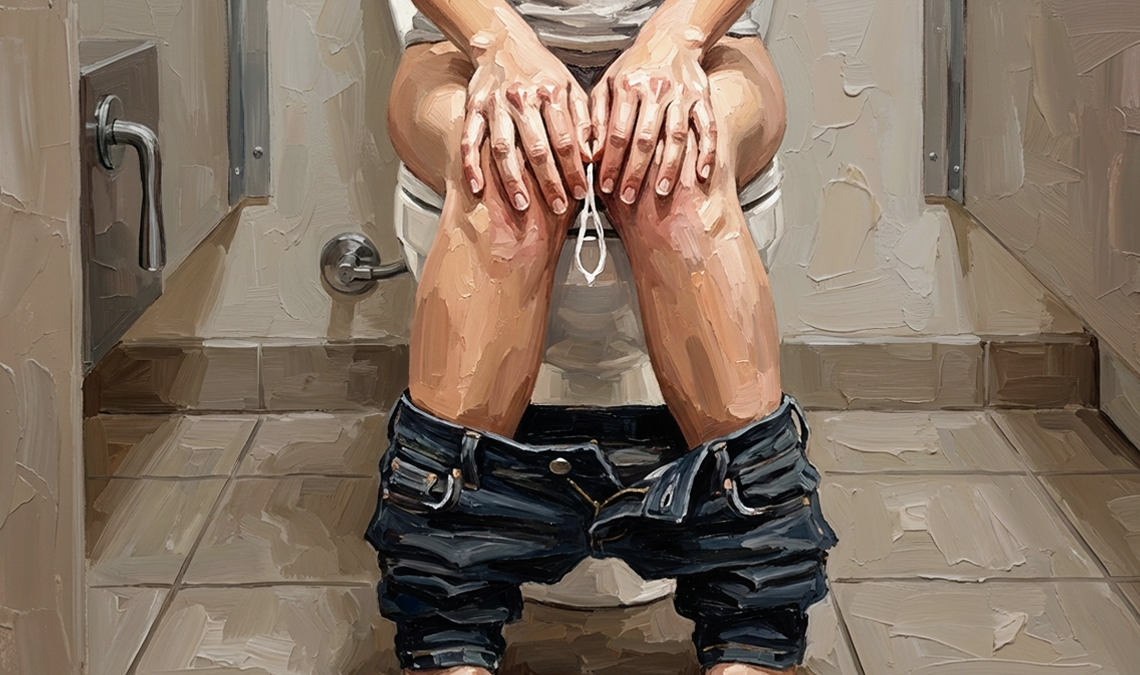
We were thinking about not leaking through our jeans in the middle of class or making it through a workout without feeling like we were wearing a wet diaper. Then at some point, usually while sitting on a toilet stall mid-period, a very real question hits: Is using a tampon and peeing or pooping okay?
If you’ve ever done a subtle internal check like, “Is this even supposed to stay in right now?”, you’re not alone. These are extremely normal questions, especially when you’re still figuring out how to insert a tampon (more on that here) and what tampon safety feels like for your body.
Let’s dive in!
Can You Pee With Tampon In?
Yes, you can absolutely pee with a tampon in. It’s because of how your anatomy is set up.
Your vagina, urethra, and anus are three separate openings, even though they’re close enough to feel like neighbors in a cramped apartment. When a tampon sits inside the vaginal canal, it doesn’t block your urethra, meaning peeing should happen as usual. If peeing feels strange or difficult while wearing a tampon, it’s usually because the tampon isn’t placed high enough in the vaginal canal, causing pressure near the urethra and not because it’s blocking urine.
Some people notice the tampon string gets a little wet while using tampons and peeing. Totally normal. But if it bothers you, you can gently hold the string to the side or the back while you go, or swap it for a fresh tampon afterward if you prefer.
Blog continues after the ad.

Can You Poop With Tampon In?
Yes, you can poop with tampon in. Your tampon lives in the vaginal canal, and poop exits from the anus, which is a completely different pathway. Nothing is getting pushed through the same tube.
However, here’s the nuance. Bowel movements involve muscle pressure in the pelvic floor, and that can shift the tampon. Sometimes it wiggles downward, feels uncomfortable afterward, or the string gets tugged. If you feel like the tampon moved, just replace it afterward, it doesn’t mean you did anything wrong.
If pooping with a tampon in feels uncomfortable every time, that may be a sign to:
- insert it slightly deeper for better stability
- choose a smaller absorbency
- remove it before a bowel movement and replace it after
There’s no single rule, just listen to your body.
Can You Get Tampon Infections From Bathroom Use?
Not inherently, but there are situations where the bathroom process can introduce bacteria to the vagina, which increases infection risk. The tampon itself isn’t a source of infection when you pee or poop, what matters is what gets on the tampon or string during the process.
Let’s break down the two bathroom situations separately:
Peeing
Urine is generally sterile while still inside the body, and even when exposed to air, it’s far less likely to introduce harmful bacteria into the vagina. A study published by the CDC notes that urinary tract infections are usually caused by bacteria from the bowel, not urine itself.
So if a little pee gets on the string while using tampons and peeing, it’s not considered a major hygiene issue. It may feel icky, but it doesn’t typically lead to tampon infections. If it bothers you, change to a fresh tampon afterward, comfort counts.
Pooping
This is where infection risk is a little more real. Poop contains bacteria like E. coli and other microbes common in gastrointestinal flora. Research shows that E. coli is a leading cause of urinary tract infections and can also disrupt vaginal flora, potentially increasing the risk of infections like bacterial vaginosis.
If stool gets on the tampon string and the tampon stays in place, the bacteria can transfer toward the vagina. It doesn’t mean you’ll definitely get sick, your body is resilient, but it’s a preventable exposure.
Ways to reduce infection risk from tampons:
- Tuck the string toward the front of the vulva before pooping
- Hold it aside with a clean hand or tissue
- Replace the tampon afterward if it feels like it shifted or got messy
- Avoid wiping back-to-front, which can spread bacteria
When should you be more cautious? If you’re prone to UTIs, yeast infections, or irritation, changing the tampon after a bowel movement may help minimize exposure to bacteria.
Red flags worth paying attention to:
- New or unusual odour
- Thicker discharge than usual
- Burning or pelvic discomfort
These aren’t caused by simply pooping with a tampon in, but they can be signs that your vaginal microbiome is irritated and needs attention.
Bottom line, peeing isn’t a concern but pooping just requires a little more awareness. The tampon isn’t the problem, it’s what might get on it.
How to Fix Discomfort While Pooping With a Tampon?
If pooping with a tampon in feels off, like you feel pressure, poking, or that weird low “I can feel it sitting there” feeling, that’s usually about placement, not a bodily limitation.
Tampons are meant to sit toward the back of the vaginal canal, almost like they tuck under the pubic bone. If you feel soreness or friction when sitting or using the bathroom, it might help to review how to insert a tampon(here) in a way that works with your anatomy, not against it. Aim upward and slightly toward your lower back, not straight up.
A well-placed tampon is one you forget exists, not one you’re negotiating with every time you pee or poop.
What Are Essential Tampon Hygiene Practices?
Tampon hygiene doesn’t need to be complicated. Periods are already messy, hormonal, emotional, and occasionally dramatic.
Here are a few grounding guidelines:
Wash your hands before and after inserting or removing
Sounds basic, but hands go in your body, this is a simple way to not introduce any bacteria yourself.
Change tampons every 4–8 hours
Longer can increase bacteria growth, irritation, and risk.
Match absorbency to your flow
Choosing super-plus on a light day doesn’t make you powerful, it just increases dryness and discomfort. Here’s a guide to help you choose the right size.
These aren’t guilt-trip rules. They’re simply what keeps tampon infections at bay and keeps your vagina happy.
What Should You Know About Tampon Disposal?
Proper tampon disposal is part of good tampon hygiene. Never flush tampons down the toilet — they can clog plumbing and harm septic systems.
The safest approach: Wrap the used tampon in toilet paper or its wrapper and dispose of it in the trash. If you’re in a public restroom, use the provided disposal bins. Flushing tampons may seem convenient, but it creates environmental and plumbing issues that are easily avoided with proper disposal.
Final Thoughts: Bathroom Confidence With Tampons
Yes, you can pee with tampon in. Yes, you can you poop with tampon in. And yes, you’re allowed to make whatever choice feels most comfortable, practical, and respectful of your body. The key is understanding your anatomy, following tampon safety tips, and practicing good tampon hygiene, including proper tampon disposal.
Your period shouldn’t feel like a guessing game. It should feel like something you navigate with confidence, even if that confidence sometimes involves holding the string out of splash range. Whether you need tampon comfort tips for bathroom moments or better placement techniques, remember that discomfort is usually about adjustment, not limitation.
If you want something that feels like a seamless part of your bathroom routine, try Nua’s EaseFit Tampons. They have a plant‑based core for rapid absorption, Flexi‑Glide grooves for easier insertion, hypoallergenic fibers for safety, and an ergonomic shape that supports leak‑proof protection. So, they’re made to make bathroom moments easier, not awkward.
Have more questions about using tampons and peeing (or pooping)? Drop them in the comments, let’s talk about it!
Disclaimer:
The content of this article is provided for general informational and educational purposes only and is not intended to constitute medical advice, diagnosis, or treatment. The information shared is of a general nature and may not be appropriate for all individuals or specific circumstances. Readers should not disregard, delay, or substitute professional medical advice based on the information contained herein.
If you experience any symptoms, notice anything unusual, or have concerns relating to your health or overall wellbeing, you should consult a qualified healthcare professional. While every effort is made to ensure the information shared is accurate and up-to-date, Nua makes no representations or warranties, express or implied, regarding the accuracy, completeness, or suitability of the information provided and disclaims all liability arising from reliance on this content to the fullest extent permitted by law.