

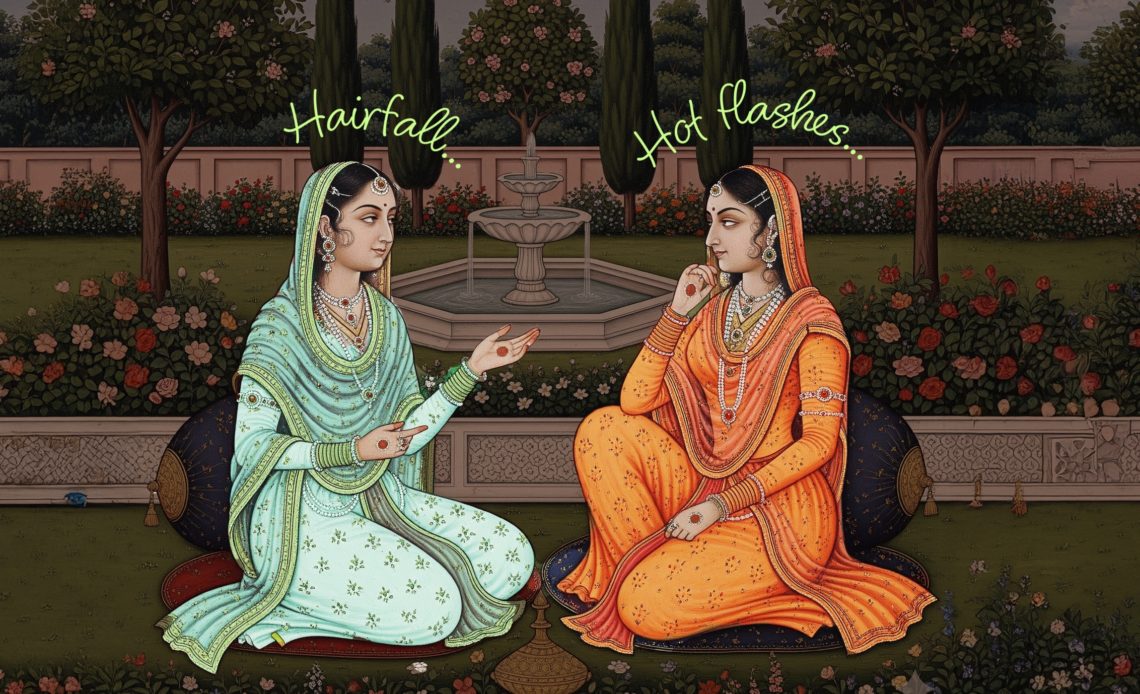
Ever felt like your body suddenly has its own secret agenda? Like the rules you’ve known for decades about your cycle, mood, and energy no longer apply? That’s often the first whisper of perimenopause sneaking in — uninvited, unpredictable, and utterly unique to each woman. So, why perimenopause is different for everyone?
Perimenopause marks the transitional phase before menopause when hormone levels start to fluctuate, cycles become irregular, and a wide range of physical and emotional symptoms can show up. Experts describe perimenopause as reverse puberty because it can last several years, signalling the body’s gradual shift away from its reproductive years. Get the whole low-down on perimenopause here.
Perimenopause is a journey, but no two women take the same road. For some, it’s a slow drift marked by subtle shifts, while for others it’s a storm of symptoms and surprises. That’s because, according to research, perimenopause is shaped by an intricate mix of genetics, history, lifestyle, and even environment.
Understanding the factors that influence this transition can help us see why perimenopause is different for everyone and why some of us feel like our bodies are breaking rules we never even knew existed.
Genetics: Your First Clue
If you’re curious about how genetics affect perimenopause, look no further than your family tree. Studies show that your mother’s age at menopause is a strong indicator of when you might begin your own transition. If your mother entered menopause early, chances are, you could too.
Genetics don’t just affect timing, they influence the intensity of perimenopause symptoms variation as well. Some women inherit a tendency for sharper hormonal fluctuations, which can trigger more intense hot flashes, mood swings, or changes in period patterns. Meanwhile, others have a gradual hormonal decline that feels like a gentle winding down. These genetic blueprints also affect the types of periods during perimenopause. If your family history includes heavy or irregular periods, you may find your own cycle becoming unpredictable as estrogen and progesterone levels shift.
The Hormonal Backstory: Your Menstrual History Matters
Your menstrual journey from the very first period sets the stage for this transition. Women who experienced menarche (their first period) at an earlier age are more likely to hit perimenopause sooner. Likewise, irregular cycles in your 20s and 30s can hint at how bumpy your perimenopause ride might be. If hormonal imbalances that have existed for years (like PCOS, endometriosis, or thyroid issues), they can shape your perimenopause too.
This history also explains why the types of periods during perimenopause can range from light spotting to marathon-level heavy bleeding. Some women see their cycles stretch out and fade, while others deal with surprise periods that feel like they came out of nowhere. Understanding your past hormonal patterns gives you a roadmap for predicting your future experience.
Pregnancy and Birth History
The number of pregnancies and the way your body responded to them play a subtle but powerful role in shaping this chapter. Women who have had multiple pregnancies often experience a delay in perimenopause, as those nine-month hormonal pauses can help preserve ovarian function for longer.
C-section deliveries, breastfeeding, and postpartum hormonal shifts can leave a lasting impact on how your body responds to perimenopause and hormonal changes. For example, women who breastfed for extended periods sometimes notice gentler symptoms due to the body’s adaptation to lower estrogen levels during nursing. Conversely, if your reproductive journey was marked by significant complications or hormonal treatments, you may find perimenopause symptoms variation more pronounced.
Lifestyle: The One Factor You Can Control
If there’s one area where you hold the power, it’s lifestyle. Lifestyle impact on perimenopause can’t be overstated. Smoking is one of the most studied culprits. It’s known to accelerate menopause by up to two years and make symptoms like hot flashes and sleep disturbances far worse. Regular alcohol consumption also interferes with estrogen balance, amplifying night sweats and mood swings.
Your diet plays a leading role here. Diets high in refined sugars, processed foods, or excessive polyunsaturated fats are linked with earlier menopause. On the other hand, a nutrient-dense diet rich in vegetables, fibre, omega-3s, and healthy fats can ease hormonal fluctuations and stabilize energy levels.
Physical activity is your ally. Women who move their bodies regularly, whether through strength training, yoga, or daily walks, often report milder symptoms and improved mood. Exercise doesn’t just boost endorphins, it helps regulate the shifts that define perimenopause and hormonal changes.
Sleep and stress management are equally vital. Chronic sleep deprivation spikes cortisol levels, which can worsen everything from mood swings to belly fat. Likewise, unrelenting stress can hijack your adrenal function, making hot flashes and irritability even more intense.
Body Composition and BMI
Your body composition adds another layer of complexity to this puzzle. Fat cells produce estrogen, meaning women with higher BMI might have a more gradual estrogen decline compared to leaner women. This can affect both symptom severity and the types of periods during perimenopause.
Women with lower BMI might face sharper drops in estrogen, leading to severe hot flashes or sudden changes in mood. Meanwhile, those with higher BMI might experience heavier or irregular bleeding due to the additional estrogen being produced by fat tissue. This doesn’t mean one experience is “better” than the other, it simply highlights the individual differences in perimenopause.
Stress, Emotional Load, and Mental Health
Stress doesn’t just make life harder, it can shape how your perimenopause unfolds. Chronic stress keeps cortisol (your stress hormone) elevated, which competes with your body’s ability to balance estrogen and progesterone. This means that women who are juggling demanding careers, caregiving for kids or parents, and other life pressures may find that their symptoms are more intense.
Mood swings, brain fog, and anxiety are often amplified by the weight of modern life. This is where mindfulness, therapy, or even small self-care rituals can help. Managing stress is not just about mental health, it’s one of the most impactful ways to soften the edges of perimenopause and hormonal changes.
Environmental Factors You Might Not Think About
The environment you live in also has a voice in this conversation. Studies link high serum lead levels to earlier menopause onset. While this might sound outdated, many homes built before the 1970s still have traces of lead in paint or plumbing. Over time, these environmental toxins accumulate, potentially nudging hormonal shifts to happen sooner.
Even exposure to endocrine disruptors like chemicals found in plastics, cleaning products, and beauty items can influence estrogen balance. It’s another piece of the puzzle explaining why perimenopause is different for everyone.
Socioeconomic and Educational Background
Access to healthcare, nutrition, and reliable information matters more than we realize. Women with higher education or socioeconomic status often have better tools for managing symptoms, from preventive care to high-quality supplements or therapies.
On the flip side, financial strain, limited healthcare access, or jobs that demand heavy physical labour can add stress, worsen sleep, and amplify perimenopause symptoms variation. Education around this life stage is still lacking in most cultures, leaving some women blindsided by symptoms they weren’t expecting.
The Power of Emotional and Social Support
One of the most underrated influences on perimenopause is your support network. Women who have open conversations with friends, sisters, or mentors often feel less overwhelmed. Sharing experiences helps normalize what’s happening. Because let’s face it, this transition can be isolating if you don’t have someone saying, “Oh, me too!”
Support doesn’t just soothe your emotions, it can reduce perceived stress, which in turn softens the impact of hormonal swings. When you feel seen and supported, you’re better equipped to navigate the individual differences in perimenopause.
Pulling It All Together
There’s no universal playbook for perimenopause. This life phase isn’t about fighting your body. It’s about learning to listen to it, recognizing the changes, and adjusting your habits to feel better through the transition. Understanding how genetics affect perimenopause or why your friend’s symptoms are different from yours can help you stay compassionate toward your own journey.
The bottom line? This phase is as individual as you are. By embracing that truth and making mindful choices, you can navigate the unpredictability with strength, clarity, and a deep sense of self-awareness.