What you’ll learn in this blog about how to track your period consistently:
- Building a period tracking habit is easier when it feels quick, simple, and part of a routine you already follow.
- Tracking your period can help you predict future cycles, spot changes early, and better understand what’s normal for your body.
- You don’t need to log every symptom from day one. Even tracking your period start date consistently can be incredibly useful.
- Simple tricks like habit stacking, daily check-ins, and keeping your tracker easy to access can make period tracking easier to stick with.
- Missing a few entries doesn’t ruin your progress. Consistency over time matters much more than tracking perfectly.
How to track your period regularly is something you may still be figuring out, even if you’ve been getting periods for years. And no one can blame you. You’re trying to drink enough water, eat well, remember your passwords, and answer messages from three business days ago. Building a menstrual cycle tracker habit on top of all that? Easier said than done.
Plus, even if you do it, only the start is strong. You download the app, log your first period and even track the cramps and mood for, like, 4 very productive days. Then suddenly, three months pass with no tracking whatsoever.
But the truth is, learning how to build a period tracking habit is actually super useful. It helps with everything from preparing for your period during vacays to not freaking out if your period is late and being able to spot health issues early on (more on that here).
So, let’s solve this for once and for all by learning what’s the best way to track your period without giving up after week 1.
First, Why Do We Keep Forgetting to Track Our Periods?
Your brain usually builds habits better when something feels easy or rewarding. But period tracking happens at a time when your energy, mood, and motivation are at an all-time low. You’re crampy, tired, bloated, irritated, or just trying to survive the day. The last thing you want to do is open a menstrual cycle tracker app and start filling out a form.
Blog continues after the ad.

Plus, habits stick through repetition. Since periods only happen once a month, you do not repeat the period-tracking habit often enough for it to feel automatic quickly.
Therefore, so many of us forget to track for weeks and then simply give up on our period tracking routine altogether.
But Why Should You Track Your Period?
Period tracking routine is about much more than knowing when to keep a pad handy. You should track your period because it can help you:
- Predict when your next period is likely to arrive.
- Understand what your cycle length and flow patterns are normal for your body.
- Spot changes early, such as unusually heavy or irregular periods.
- Track symptoms like discharge, fertility, cramps, bloating, acne, headaches, mood changes, and energy levels.
- Plan better around events, travel, workouts, or vacations.
- Have useful information ready if you ever need to speak to a doctor about your periods or reproductive health.
Period Tracking Tips: How to Build a Period Tracking Habit?
Research shows that building any new habit usually depends on three things:
- Motivation to start and keep going at it
- Repetition to help your brain remember it
- Consistency to make it feel automatic over time
So, here are a few menstrual cycle-tracking tips that tick all 3 boxes and can make period tracking for beginners feel much simpler and way easier to stick to.
Download a Simple Period Tracker
The best period tracker is not the one with the most features. It is the one you will actually use. Because if tracking feels like filling out a hugeeee survey every month, chances are you are going to procrastinate and never do it.
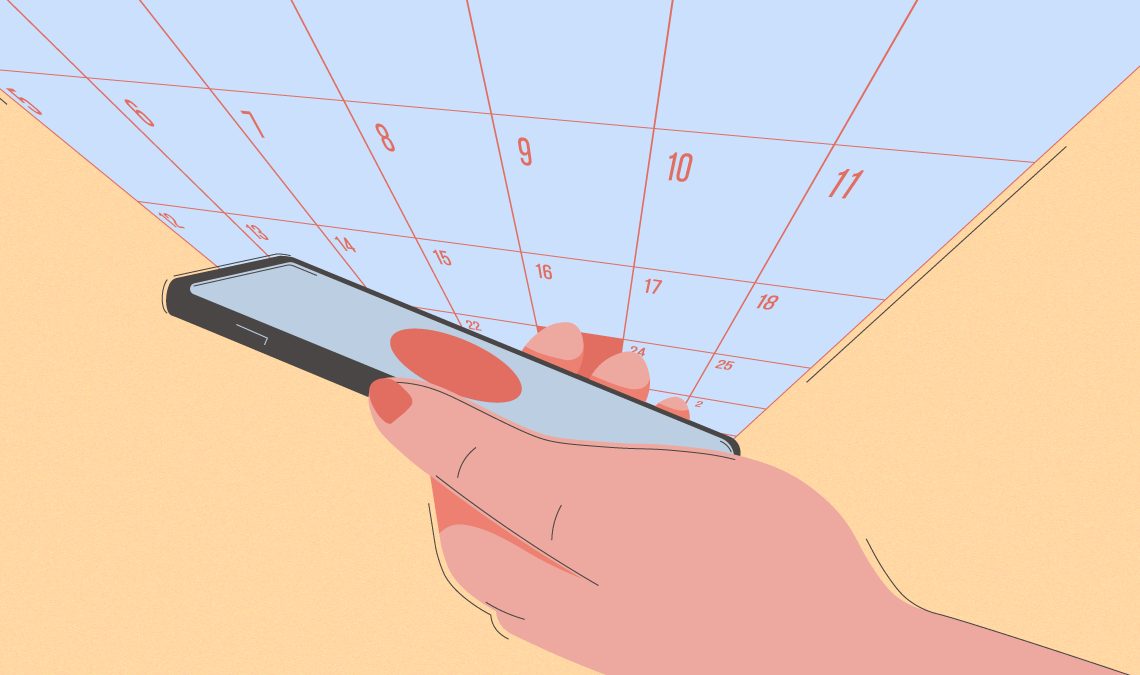
Therefore, a good tracker should feel more like click, click, tap, tap, done. It should make logging your dates, symptoms, and flow quick and effortless, which is exactly what Nua’s Period Tracker is designed to do.
Check In Every Day, Not Just on Period Days
Periods only happen once a month, which doesn’t give you many chances to build a habit. That’s why it helps to open your tracker every day, even when you’re not on your period.
A quick check-in can be as simple as logging your mood, energy levels, bloating, acne, headaches, or sleep. Plus, it takes barely 10 seconds to fill it when it happens, as opposed to the 30 it takes trying to piece your whole cycle together from memory.
Use Your Text Messages as a Ghost Tracker
If you have really painful periods or just cannot deal with tracking things in real time, then this tip is for you.
A lot of us are already texting our best friend, partner or mom to complain how our period just started, and how bad the cramps are. Which means we are technically already tracking the cycle. The information is just sitting inside our chats.
So instead of forcing yourself to log everything while you feel miserable, you can just search words like “period” or “cramps” in your chats later and use those dates to fill in your Nua’s Period Tracker once you actually have the energy for it.
Put the Tracker Where You Cannot Miss It
The easier something is to see and reach, the easier it becomes to remember and fit into a routine. If your menstrual cycle tracker is hidden somewhere on page 5 of your apps, inside an old folder on your phone, or lost between 38 open tabs, your brain is probably going to forget it exists.
So make tracking as easy to access as possible. Keep the tracker on your home screen, pin it on your search bar, or save it somewhere you already open every day.
Attach It to Something You Already Do
One of the easiest habit-building tricks, as per experts, is something called habit stacking. It basically means attaching a new habit to something you already do regularly, so your brain remembers it more easily.
For example, if you make coffee every morning, log your period while the coffee is brewing. If your nightly routine is lying in bed and scrolling Instagram, open your menstrual cycle tracker right before the scrolling starts.
The idea is to sneak your period tracking routine into routines that already exist in your life.
Don’t Berate Yourself if You Miss a Day
You do not have to track your period perfectly for the period tracking habit to work.
If you miss a day, just fill it in later if you remember something important. If you do not remember, leave it blank and continue normally. One missed entry does not ruin your entire tracker.
The problem usually starts when one missed day turns into “I’ll just restart next month”, and then the whole habit disappears again.
Lastly, What Should You Really Track?
A lot of people stop period tracking because they think they need to log every single symptom perfectly from day one.
You really do not.
Start by tracking just one thing consistently, your period start date. That alone can already help you understand your cycle length, notice changes over time, and predict when your next period might arrive.
Once that starts feeling easy, you can slowly add a few more basics like:
- If your flow is light, medium, or heavy
- Major symptoms such as cramps, acne, headaches, or mood swings
- When spotting starts or your period ends
- Your fertile window, especially if you’re sexually active, trying to conceive, or avoiding pregnancy
Tools like Nua’s Period Tracker can make these quick check-ins feel much less overwhelming to keep up with regularly.
Keep Trying and Don’t Give Up Just Yet!
If you keep falling off the period tracking wagon every few months, welcome to the club. But that’s literally how most habits work in the beginning!
Research shows that habits take around 3 months on average to start feeling natural. So if you’ve forgotten to log a cycle, stopped tracking for a few months, or had to start over more than once, don’t be too hard on yourself. That’s completely normal.
The important thing isn’t tracking perfectly. It’s coming back to it. Every cycle you log helps build a clearer picture of your body over time, making it easier to spot patterns and understand what’s normal for you.
In short, don’t stress about tracking perfectly. Just keep coming back to it whenever you remember. That’s the habit. And if you still have questions about menstrual cycle tracking, drop them in the comments. We got you.
FAQs
1. Why should I track my period every month?
Tracking your period helps you predict upcoming cycles, understand what’s normal for your body, identify changes early, and prepare for travel, events, or doctor visits.
2. What’s the easiest way to build a period tracking habit?
Keep your period tracker easy to access, attach it to an existing daily routine, and start by logging just your period start date consistently.
3. Do I need to track every symptom?
No. Tracking your period start date alone is a great place to begin. You can gradually add details like flow, cramps, mood, or other symptoms over time.
4. What should I record in a period tracker?
Start with your period start and end dates, then add your flow, cramps, mood, headaches, acne, spotting, or other symptoms that matter to you.
5. What if I forget to track my period for a few days?
Missing a few entries is completely okay. Simply continue tracking when you remember—long-term consistency is more valuable than perfect daily records.
Disclaimer
The content of this article is provided for general informational and educational purposes only and is not intended to constitute medical advice, diagnosis, or treatment. The information shared is of a general nature and may not be appropriate for all individuals or specific circumstances. Readers should not disregard, delay, or substitute professional medical advice based on the information contained herein.
If you experience any symptoms, notice anything unusual, or have concerns relating to your health or overall wellbeing, you should consult a qualified healthcare professional. While every effort is made to ensure the information shared is accurate and up-to-date, Nua makes no representations or warranties, express or implied, regarding the accuracy, completeness, or suitability of the information provided and disclaims all liability arising from reliance on this content to the fullest extent permitted by law.