What you will learn about the newborn essentials checklist in this blog:
- Newborns may need around 70-84 diapers per week, so start with enough for the first couple of weeks and restock as needed.
- Keep 6-8 cotton vests, 4-6 sleepsuits, 3-4 pairs of socks, 2-3 swaddles, and 6-8 muslin cloths ready for everyday use.
- Prepare a firm, flat crib or bassinet with a fitted sheet, and always place your baby on their back to sleep.
- Stock up on basic bathing supplies, including soft towels, washcloths, a mild cleanser if needed, and baby-safe nail clippers or a file.
- Keep a digital thermometer, paediatrician’s contact details, vaccination card, and an appropriate car seat ready for safety purposes.
- Avoid talcum powder, sleep positioners, pillows, crib bumpers, kajal or surma in your newborn’s eyes, and unnecessary baby gadgets.
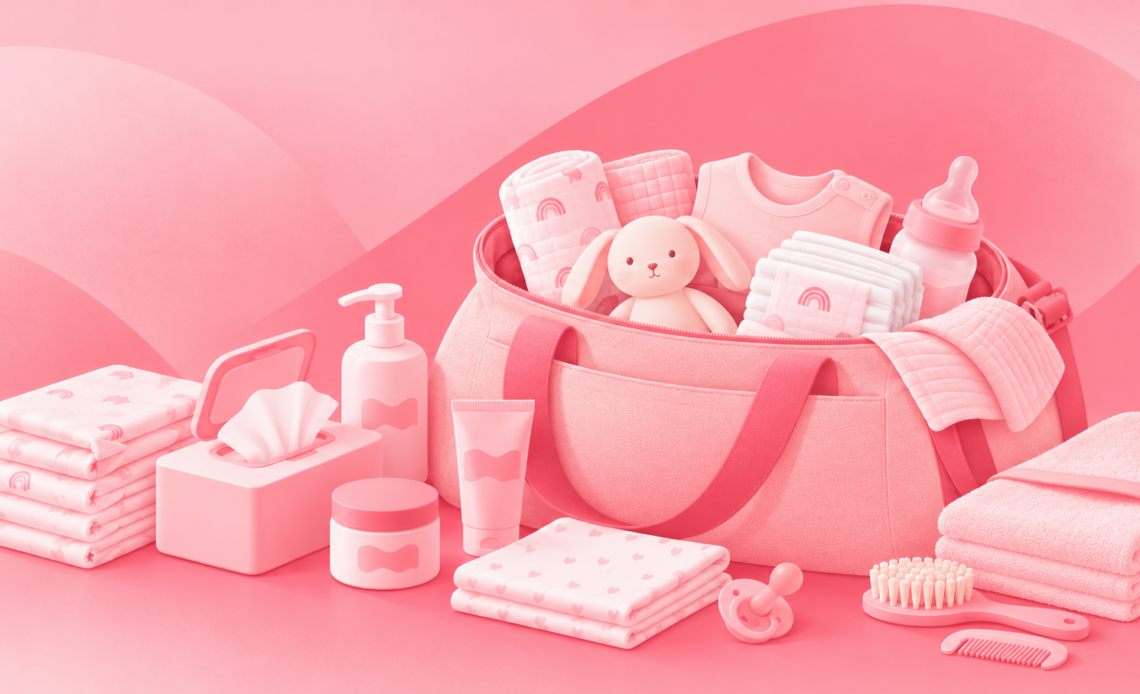
Bringing your newborn home is exciting, emotional, and, let’s be honest, a little overwhelming. There’s suddenly a lot to tick on the newborn essentials checklist, from diapers and baby clothes to feeding supplies, bath essentials, and a safe place for your little one to sleep.
And with so many newborn essentials marketed as “must-haves”, figuring out what you actually need can get confusing. But the good news is that you don’t need to buy everything under the sun, and definitely not all at once. A few well-chosen essentials can go a long way during those first few weeks.
This blog breaks down what you actually need for a newborn, what you’ll use every day, and what you can skip for now.
The Newborn Checklist at a Glance
Before we go into each category, here’s a quick scan of the newborn essentials checklist. Save it, screenshot it, send it to your partner.
| Category | The Core Essentials |
| Diapering | Newborn-size diapers (small packs), cotton wool or soft cloths, changing mat, disposal bags, barrier cream |
| Bath & Skin | Baby tub or basin, soft towels, washcloths, nail file or clippers, mild moisturiser (if needed) |
| Clothing | Soft cotton vests, sleepsuits, caps, socks, swaddles, muslin cloths |
| Sleep | Crib or bassinet with a firm flat mattress and fitted sheet |
| Feeding | Burp cloths, bibs, bottles and sterilising items (if needed) |
| Health & Safety | Digital thermometer, paediatrician’s contact details, vaccination card, car seat |
Diapering Essentials
Let’s start with the one that surprises everyone. The sheer number of diapers. Newborns feed often, which means they pass urine and stool often, and in the early weeks that can add up to somewhere around 10 to 12 changes a day. Across a week, that’s roughly 70 to 80 diapers.
Since you’ll be spending a lot of time changing diapers, it’s important to make sure your diapering corner has all the things needed for a newborn baby.
- Newborn-size diapers: Babies grow FAST, though, and many outgrow the newborn size within a few weeks. Start with one or two small packs (around a week’s supply), then restock or move up a size as needed. If you need more help with choosing the right diaper size and fit, we have a guide here to help you.
- Cotton wool or soft cloths: Keep around 2-3 packs of cotton wool balls or 6-10 soft, reusable cloths handy to clean your baby’s diaper area with plain water.
- Baby wipes: This one is optional but a convenient alternative, especially when you’re out and about. However, make sure you choose wipes suitable for newborns that are free from fragrance and alcohol (more on that here).
- Barrier cream: Keep one handy to protect your baby’s skin from moisture and irritation. The American Academy of Pediatrics recommends barrier creams containing zinc oxide or petrolatum to help prevent and treat diaper rash (more on that in our guide to prevent diaper rash here).
- Changing mat: A wipe-clean mat gives you a dedicated surface that’s easier to clean after leaks and messy changes.
- Disposal bags: These make it easier to contain used diapers, especially when you’re away from home.
Once you have everything ready, follow our step-by-step diapering guide for an easy, breezy diaper changing sesh.
Bathing and Skin Care Essentials
You really don’t need 20 different products to keep your newborn clean. Their skin is VERY delicate, and therefore, for the first few weeks, keeping things simple is usually best. Here are the few newborn must-haves you’ll need:
- Baby tub or basin: A small, stable tub or basin for bath time.
- Soft towels: Keep 2-3 soft towels handy, so you always have something to gently pat your baby dry after a bath.
- Washcloths: Around 4-6 soft washcloths for washing during the bath should give you enough to rotate between washes.
- Mild cleanser: Plain water is usually enough for routine cleaning in the early weeks. If you do need a cleanser, choose a mild, fragrance-free baby wash.
- Baby moisturiser: You won’t necessarily need this from day one, but keep a fragrance-free option handy if your baby’s skin gets dry.
- Baby nail file or clippers: Those tiny nails can be surprisingly sharp and may scratch both you and your baby. A baby-safe nail file or clippers will help you keep them trimmed.
For more guidance, read our guides on how to bathe your newborn safely and how to choose skincare products for your newborn.
Clothing Essentials
Newborn clothing is where most parents overbuy, mostly because tiny clothes are SO cute. But babies outgrow them at the speed of light, and they go through multiple outfits a day thanks to spit-ups, leaks, and diaper blowouts. So think soft, simple, and easy to change.
As a rough guide, you could start with the following in your newborn clothing checklist:
- 6 to 8 soft cotton vests or onesies, either front-opening or envelope-neck, so you can slide them off without pulling anything over a wobbly head.
- A few sleepsuits, maybe 4 to 6, for everyday wear and sleep.
- Keep 1-2 lightweight caps handy for when they’re needed, particularly in cooler weather.
- Around 3-4 pairs of socks should be enough to keep tiny toes covered when needed.
- Keep 2-3 lightweight swaddles if you plan to swaddle your baby.
- A few (6-8) muslin cloths, as they’re useful for burping, wiping little spills, and protecting your shoulder from surprise spit-ups.
Note: A good rule of thumb is to dress your baby in about one more layer than you’d find comfortable. In Indian heat, breathable cotton is your friend. Avoid over-bundling, and check your baby’s chest or back to see if they’re getting too warm. Tight, sweaty clothing is also one of the biggest causes of chafing, so here’s how to keep your baby’s skin folds comfortable.
Safe Sleep Essentials
Your newborn will spend a lot of time sleeping, so setting up a safe sleep space is one thing you don’t want to overlook. Thankfully, you really only need a few newborn safe sleep essentials to get started.
- Crib or bassinet: Choose one with a firm, flat mattress and a snug-fitting sheet. No extra padding needed.
- A sleep space in your room: The American Academy of Pediatrics recommends keeping your baby’s crib or bassinet in your room, ideally for at least the first six months.
- A safe sleeping position: Always place your baby on their back for every sleep, including naps.
- A clear sleep space: Keep pillows, crib bumpers, soft toys, and loose blankets out of the crib. They can increase the risk of suffocation. If your baby needs extra warmth, use appropriate clothing or a non-weighted wearable blanket instead.
Feeding Essentials
Feeding your newborn comes with a few little essentials of its own. What you need will depend on whether you’re breastfeeding, formula-feeding, or doing a bit of both.
- Burp cloths: Keep around 6-8 handy for milk dribbles and unexpected spit-ups.
- Bibs: Around 4-6 washable bibs can help keep your baby’s clothes clean during feeds.
- Feeding pillow (optional): A supportive pillow can make feeding more comfortable.
- Bottles: Keep a few bottles ready if you plan to formula-feed or feed expressed breast milk.
- Sterilising supplies: If you’ll be using bottles, keep a suitable steriliser or other appropriate sterilising equipment handy.
- Nursing essentials for mum: Nursing bras, breast pads and nipple-care products can be useful during the early weeks. Check out our guide to nursing essentials for more.
Health and Safety Essentials
You probably won’t need these every single day, but when you do need them, you’ll be glad you know exactly where they are.
- Digital thermometer: For checking your baby’s temperature when they feel unusually warm or unwell.
- Paediatrician’s contact details: Save the number on your phone so you’re not hunting for it when you need advice.
- Vaccination card: Keep it safe and take it to appointments to track your baby’s vaccinations according to the Indian Academy of Pediatrics (IAP) immunisation schedule.
- Car seat: If you’ll be travelling by car, have an age- and size-appropriate car seat installed correctly before your first trip.
And here’s one important rule. NO medicines, drops, or home remedies for your newborn without a doctor’s advice. Newborn bodies process things very differently from ours, so even our “harmless” remedies can cause trouble for them.
Also, please remember that if your baby is under 3 months and has a fever of 38°C or higher, it needs urgent medical attention. Don’t wait it out. Call your doctor or go to a hospital right away.
What You Don’t Need (and What to Avoid)
This is the section that can save you the most money, and honestly, a bit of stress too. A lot of things get marketed as newborn “essentials” when they’re really not, and a few are best avoided altogether.
Things you can skip:
- Large stocks of newborn-size diapers: Babies grow out of diaper sizes quickly, so buy enough to get started and restock as needed rather than buying in bulk.
- Baby shoes: They look adorable, but newborns don’t need them, and their feet are better off, in terms of warmth, in soft socks.
- Fragranced lotions and adult skincare products: Newborn skin is delicate, and perfumes and strong ingredients can cause irritation.
- Extra gadgets: You don’t need every baby monitor, warmer or fancy gadget on the market. Start with the basics and see what you genuinely need to make life easier.
Things to avoid:
- Talcum powder: Paediatric guidance advises against it because babies can inhale the fine powder (read more about this here).
- Pillows, bumpers and sleep positioners: Keep these out of your baby’s sleep space, as they can increase the risk of suffocation.
- Kajal or surma in a newborn’s eyes: We know this is a loved tradition in many homes, and it comes from a place of care. But health bodies advise against putting it in a newborn’s eyes, since it can irritate delicate eyes, and some kajal and surma can contain lead, which is a toxin.
What to Buy Now vs. Later
You don’t have to buy everything before your baby arrives. In fact, waiting on a few things can save you money, storage space, and a fair bit of guesswork.
- Before birth: Get the basics ready, including newborn-size diapers, a few changes of clothes, bathing essentials, feeding supplies, and a safe sleep space. You’ll want these from day one.
- In the first few weeks: Once you know how quickly your baby is growing and what you’re using most, stock up on larger diaper sizes, extra clothing, and any additional essentials you find yourself reaching for often.
- Later on: Toys, high chairs, and other gear for older babies can wait until your little one is ready for that stage.
Newborn Prep = Less Stuff + More Calm
If you take only one thing from this blog, let it be that you don’t need to be fully stocked on day one. A newborn needs warmth, feeding, clean skin, dry diapers, and a safe place to sleep. Cover those, and you’ve covered what matters.
Everything else is something you’ll figure out as you go, and that’s completely okay. You’ll learn what your baby likes, what you actually use, and what’s sitting untouched in a drawer.
You can drop any other newborn prep question in the comments below. We’ll get back to you as soon as we can. Remember, no question is too small, and someone else is probably wondering the same thing.
FAQs
When should I start buying things for my newborn?
Many parents start in the second or third trimester, but there’s no rush. Buying the core essentials a few weeks before the due date is usually enough.
How can I prepare for a newborn on a budget?
Stick to the core checklist, buy small packs of newborn sizes, and wait to see what you actually need. Borrowing or buying second-hand for non-safety items can also help a lot.
Do I need to wash new baby clothes before using them?
Yes, it’s a good idea. Washing new clothes with a mild detergent removes any dust or finishing residue that might bother your baby’s skin.
Which baby items are fine to borrow or buy second-hand?
Clothes, swaddles, baby tubs, and feeding pillows are usually fine. For safety items like car seats and cribs, it’s best to buy new, or only use second-hand ones if you know their full history and they meet current safety standards.
What should I pack in a diaper bag for short outings?
A few diapers, cotton wool or wipes, a changing mat, disposal bags, a spare outfit and a muslin cloth are usually enough for a short trip.
What baby gifts are actually useful for new parents?
Soft cotton clothes in a few sizes, muslin cloths, swaddles and burp cloths are always useful, and so are a few meals or help around the house.
Disclaimer
The content of this article is provided for general informational and educational purposes only and is not intended to constitute medical advice, diagnosis, or treatment. The information shared is of a general nature and may not be appropriate for all individuals or specific circumstances. Readers should not disregard, delay, or substitute professional medical advice based on the information contained herein.
If your baby experiences any symptoms, or if you notice anything unusual or have concerns relating to their health or overall wellbeing, you should consult a qualified healthcare professional. While every effort is made to ensure the information shared is accurate and up-to-date, Nua makes no representations or warranties, express or implied, regarding the accuracy, completeness, or suitability of the information provided and disclaims all liability arising from reliance on this content to the fullest extent permitted by law.