What you’ll learn about the best sanitary pads for monsoon in this blog:
- Monsoon humidity can make your period feel more uncomfortable by trapping sweat and moisture, leading to stickiness, chafing, and irritation.
- The best sanitary pads for monsoon are those that are breathable, ultra-thin, and highly absorbent to help you stay drier and more comfortable.
- Thick pads can feel heavier in humid weather, increasing heat, friction, and the chances of rashes.
- Warm, damp skin is more prone to bacteria and fungal growth, making good menstrual hygiene even more important during the rainy season.
- Simple habits like changing your pad every 4-6 hours, wearing breathable cotton underwear, and keeping the area dry can help prevent discomfort.
- Store your pads in a waterproof pouch instead of a humid bathroom to keep them clean, dry, and ready to use.
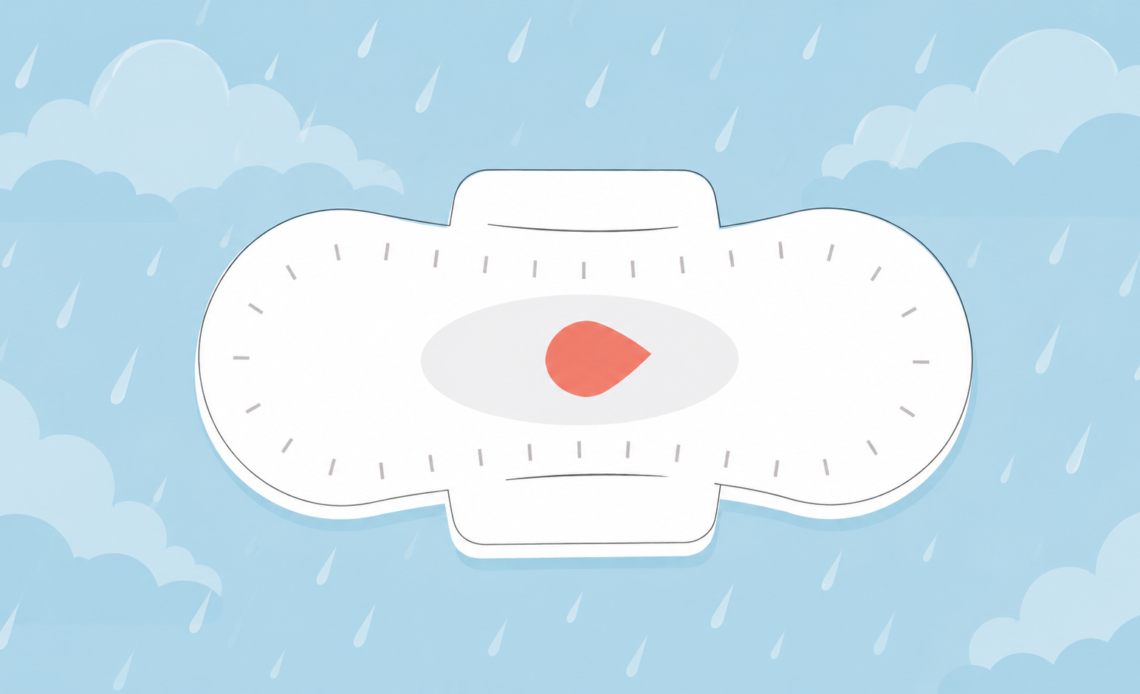
Best sanitary pads for monsoon aren’t just about preventing leaks. They’re about staying comfortable when everything around you feels damp, sticky, and humid.
During the monsoon, nothing really feels completely dry. Your jeans are still damp from yesterday’s wash. You dash from the cab to the office entrance and still get wet. The auto seat somehow always has a little puddle. By lunchtime, everything feels just a little… icky. And when you’re on your period, that discomfort can feel even worse.
So, why does a little rain outside make such a big difference to how your period feels?
The answer lies in what monsoon weather does to your skin. Heat and humidity create the perfect conditions for moisture to build up around your vulva, making the skin more sensitive to friction, chafing, rashes, and irritation.
Let’s break down why that happens, how humidity affects your period, how to choose the right sanitary pads for humid weather, and what you can do to stay fresh, dry, and rash-free all monsoon long.
Why Does Monsoon Make Period Irritation SO Much Worse?
High humidity is what makes periods feel so much more uncomfortable during the monsoon, as it traps moisture and increases friction against your skin.
Blog continues after the ad.
So, while monsoon looks magical when Shah Rukh Khan jumps into puddles with Kajol, or when Spiderman gives Mary Jane the iconic upside-down kiss as it pours, in real life, it’s basically a recipe for period rash and irritation.
Here are the biggest red flags that make pads feel so uncomfortable in the monsoon:
Humidity Stops Sweat From Drying
During the monsoon, the air already contains a lot of moisture. Normally, your sweat dries by escaping into the air, helping keep your skin cool and dry. But when the air is already full of moisture, your sweat has nowhere to go. Instead of drying, it stays on your skin, making everything feel damp, sticky and irritating.
Pads Trap Even More Heat and Moisture
That dampness doesn’t just disappear. Since your pad covers your skin for hours, it naturally traps heat and limits airflow. During the monsoon, this means even more warmth and moisture get locked in, making the area feel stuffy and suffocated.
And sometimes it’s not just sweat. A quick walk through the rain, wet clothes after a commute, or even underwear that hasn’t completely dried because of the rain can add to that damp feeling.
The Damp Skin Gets Irritated More Easily
When your skin stays damp for too long, it becomes softer and more sensitive. So every time your pad moves while you walk, sit, or exercise, it creates more friction against your skin. That’s why rashes, chafing, redness, and itching become much more common during the monsoon.
Warm Skin Also Helps Microbes Grow Faster
On top of all that, warm, damp skin creates the perfect environment for bacteria and fungi to grow. This is one reason infections become more common during the monsoon. In fact, research has found that the incidence of UTIs during the rainy season (June to September) is around 10% higher than during the rest of the year.
Put it all together, and it’s simple math. More humidity = more moisture = more period irritation. Unless you switch to breathable sanitary pads for the monsoon that are actually built to break that chain.
What to Look for When Looking for the Best Sanitary Pads for Monsoon
While you can’t change the weather, you can choose a pad that’s better equipped to handle it. So, if you’re looking for sanitary pads for humid weather, here are the features worth paying attention to.
A soft, breathable topsheet
A breathable topsheet allows heat and sweat to escape more easily instead of getting trapped against your skin, helping reduce irritation caused by humidity. That’s why breathable sanitary pads for monsoon, like Nua’s Complete Comfort Pads, are a must-have.
It’s kinda like how heavenly it feels to wear a soft cotton T-shirt versus a thick synthetic one on a humid day.
High level of absorbency
The longer menstrual blood stays on the surface of your pad, the longer it stays in contact with your skin. A super absorbent pad pulls the fluid into its core quickly, helping you stay drier and reducing period discomfort in the rainy season.
Ultra-thin, but still protective
Hot, humid weather can make thick pads feel heavy, increasing friction and making chafing and rashes more likely. An ultra-thin (yet super-absorbent) pad like Nua’s gives you reliable protection without the extra bulk.
In one study, women using ultra-slim pads reported about 80% less discomfort while sitting and around 35% less discomfort while walking than those using thicker pads during periods.
Extra leak protection for long days
Monsoon doesn’t always let you change your pad on time. Flooded roads, traffic, and delayed commutes can mean wearing the same pad for longer than planned. Choosing leak-proof sanitary pads for monsoon with extra back coverage gives you added protection until you can comfortably change.
Dermatologically tested and toxic-free
Monsoon is already hard on sensitive skin. Choosing a dermatologically tested, non-irritant, and toxic-free pad, like Nua’s, gives your skin one less thing to deal with, making period hygiene during monsoon a little easier to maintain.
If pads aren’t your cup of menstrual product during the rain, you can read our blog here to know what other options exist for you.
How to Maintain Menstrual Hygiene During Monsoon?
A few small habits to maintain period hygiene during monsoon can go a long way in keeping you fresh, comfortable, and irritation-free throughout the rainy season.
- Change your pad every 4-6 hours to avoid any dampness.
- Wash your hands before and after changing your pad to reduce the risk of infections.
- Pat the area dry before putting on a fresh pad, as dry skin is less likely to get irritated.
- Wear breathable cotton underwear for better airflow and to help absorb sweat.
- Change out of rain-soaked clothes as soon as you can to avoid the wet, sticky feeling.
- Stay hydrated to help your body regulate its temperature, even in humid weather.
- Avoid scented intimate products as they can irritate the already sensitive monsoon skin.
- Carry your pads in a waterproof pouch so they stay dry, even if your bag gets wet.
- Don’t store your pads in the bathroom, as bathrooms stay humid during the monsoon.
For more tips and life hacks on how to manage periods in humid weather, check out our guide here.
Rain, Rain…Don’t Ruin My Period!
Monsoon might bring puddles, traffic jams, and hair that refuses to dry, but your period doesn’t have to add to the chaos. A few simple habits, the right sanitary pad, and a little extra preparation can make rainy-day periods feel a lot more manageable.
So don’t let the forecast decide how comfortable your period is going to be. Choose the best sanitary pads for monsoon (a.k.a., Nua’s), take care of your skin down there, and let the only thing getting drenched this season be the roads outside.
If you’ve any more questions on sanitary pads for humid weather or period hygiene during monsoon, check the FAQs below or drop them in the comments and we’ll get back to you.
FAQs
- How often should you change pads during monsoon?
You should change your pad every 4-6 hours, or sooner if your flow is heavy, because humid weather can make staying in the same pad for too long feel too uncomfortable. - How does humidity affect your period?
Humidity doesn’t change your period itself, but it can make your vulval skin feel sweatier and less comfortable, increasing the chances of itching, chafing, and irritation. - Can monsoon cause period rashes?
Not directly. But the combination of sweat, trapped moisture, and friction during humid weather can make period rashes more likely. - Is it okay to get caught in the rain while I’m on my period?
Yes. Rain doesn’t affect your menstrual flow. However, staying in wet clothes or a damp pad for too long can increase the chances of irritation, so change into dry clothes and a fresh pad as soon as possible.
Disclaimer
The content of this article is provided for general informational and educational purposes only and is not intended to constitute medical advice, diagnosis, or treatment. The information shared is of a general nature and may not be appropriate for all individuals or specific circumstances. Readers should not disregard, delay, or substitute professional medical advice based on the information contained herein.
If you experience any symptoms, notice anything unusual, or have concerns relating to your health or overall well-being, you should consult a qualified healthcare professional. While every effort is made to ensure the information shared is accurate and up-to-date, Nua makes no representations or warranties, express or implied, regarding the accuracy, completeness, or suitability of the information provided and disclaims all liability arising from reliance on this content to the fullest extent permitted by law.