Your first period is one of those moments that feels like excitement, confusion, and a little panic all rolled into one. According to the NHS, most girls get their first period somewhere between 8 and 17. It’s a milestone, for which nobody really gives you a guidebook. Most of us stumble through our first cycle making first period mistakes we only figure out later. And that’s normal. But knowing what to avoid during first period experiences makes the whole thing smoother, less stressful, and way more empowering.
So here’s the real talk, common first period problems, the emotional ups and downs, and the first period dos and don’ts that actually help.
Thinking Bleeding = Broken
The first sight of blood can be terrifying—like suddenly noticing a stain on your clothes and having no idea where it came from. For many, it shows up with zero warning and no explanation, and the mind jumps straight to panic. Did something go wrong? Is it an injury? That’s why so many girls end up spiraling—because no one told them what to expect, and fear fills in the blanks.
But menstruation isn’t failure or sickness. It’s biology doing exactly what it should. Each month, the uterine lining thickens to prep for a possible pregnancy. When that doesn’t happen, the body simply clears it out as blood and tissue. In other words, it’s your system sending a monthly status update, not a punishment. It’s not dirt, not toxins, and it’s definitely not shame.
The real mistake is the silence. Without upfront info, so many believe they’re broken when the truth is, their body is right on track.
Using the Wrong Period Products
When girls first start their period, they usually don’t know much about the different products out there. So they end up using uncomfortable options, the wrong sizes, or wearing products too long. As a result, they end up dealing with leaks, chafing, and irritation along the way. Sometimes they even try tampons or cups before they’re ready, so here’s a breakdown of how to choose the right products.
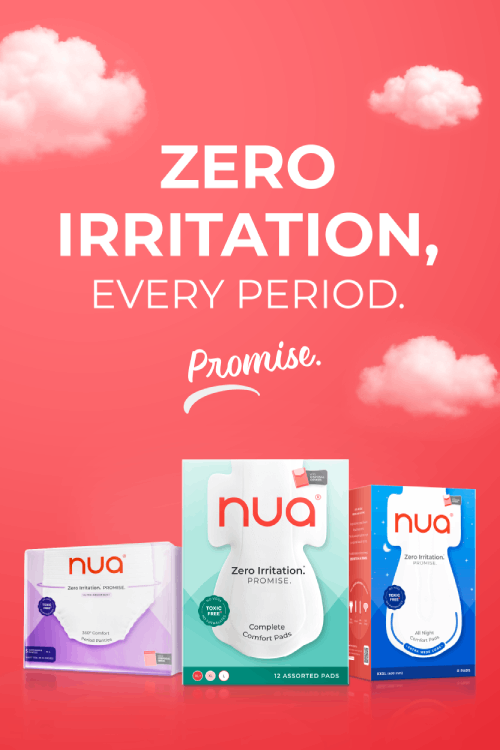
Pads are usually the easiest starting point. A good daytime pad, like Sanitary Pads, keeps things simple and rash-free when you’re still figuring your flow out. But nights can feel like a struggle if you stick to regular pads—you toss, you turn, and suddenly there’s a leak. That’s where All Night Comfort Pads come in. They’re longer and wider, so they cover more area and keep you protected while you sleep.
But pads aren’t the only option. If you want to swim or move more freely, tampons let you do that without worrying about pads shifting around. When you’re a bit more confident and curious about reusables, menstrual cups can be a reliable, eco-friendly choice. It takes practice, but many find it life-changing. For lighter days or spotting, panty liners are a subtle backup you’ll barely notice, and period panties are like a built-in safety net—comfy, washable, and great for peace of mind.
The point is, you don’t need to stick to just one thing. Start with pads, then mix and match as you learn what fits your body and lifestyle best.
Not Changing Products Often Enough
Another big menstrual hygiene mistake is leaving a pad or tampon in too long. It’s uncomfortable, and honestly, unsafe. Tampons need to be changed every 4–8 hours, and pads should go before they feel heavy, which is around 6-8 hours. This is one of the simplest first menstruation mistakes to avoid.
Tips for first menstrual cycle: Set phone reminders. Think of it like skincare, you wouldn’t leave a mask on all day.
Ignoring the Emotional Side
Periods aren’t just physical, they can feel like an emotional rollercoaster you never bought a ticket for. One minute you’re laughing, the next you’re crying over something tiny, and suddenly you’re more sensitive than usual. It’s confusing, especially when no one warns you that this is completely normal. Hormones are shifting and your brain chemistry reacts, so the emotional challenges first period brings are just as real as the blood.
Instead of brushing it off, notice what your body is trying to say. Maybe you need extra sleep, maybe comfort food, maybe some time alone, or maybe just a good cry. None of it makes you dramatic, it makes you human.
First period dos and don’ts: Don’t ignore your feelings or pretend they don’t exist. Make space for them and treat your mood like part of the cycle, not a flaw. Journaling, talking to a trusted friend, or just curling up with a heat pack and a show can all count as self-care.
Thinking Pain Is Just Something to Endure
First period pain management gets overlooked way too often, mostly because young girls think cramps are just something to put up with quietly. They don’t realize there are multiple ways to ease the discomfort. Heat packs placed on the lower belly or back relax muscles and reduce cramping. Light movement, like stretching or walking, increases blood flow and can actually make a big difference. Staying hydrated keeps bloating in check, and warm teas can soothe both body and mood. Over-the-counter pain relief is an option too, there’s no shame in reaching for it if you need to function at school or in daily life.
Products like Nua’s Cramp Comfort Heat Patches are designed specifically for these moments, offering targeted relief without side effects. Knowing that there are tools available changes the mindset from “just endure it” to “manage it smartly.”
Blog continues after the ad.
And here’s the important part, if the pain is so intense it interferes with everyday activities—like you can’t get out of bed, concentrate in class, or even walk comfortably—that’s a red flag. Sometimes cramps signal conditions like endometriosis or PCOS, which need medical attention.
Don’t normalize unbearable pain or brush it off as being weak. Mild discomfort is common. Intense, disabling pain is not, and you deserve support and solutions.
Not Tracking Your Cycle
Treating your period like a random surprise is one of the most common first period problems. While cycles can take time to regulate, tracking gives you clarity and confidence. Not doing so means surprises, leaks, and unnecessary anxiety. It also makes it harder to connect the dots between your mood, energy, and physical symptoms, things that often follow a pattern once you start paying attention.
Even if your cycle is irregular at first, noting start and end dates helps you see patterns over time. Some apps let you track flow levels, pain, cravings, and mood, which becomes super useful if you ever need to explain symptoms to a doctor. Others prefer the simplicity of circling dates in a calendar. What matters is building a habit of awareness rather than leaving it to chance.
Thinking It’s “Gross” and Keeping It a Secret
This might be the biggest emotional challenge, shame. Many grow up hearing that periods are dirty or something to hide, so the instinct is to whisper, cover up, and keep it a secret. That secrecy is one of the most damaging first menstruation mistakes because it makes the experience scarier and lonelier than it needs to be. It builds disconnection from your own body and adds pressure to something that should be normal.
Reality check, periods aren’t gross, and they definitely aren’t something to hide. They’re a sign of health. What is gross is the stigma around them. The more openly we talk about them—with friends, parents, or siblings—the lighter and easier the experience becomes.
Flip the narrative. Think of your period as a monthly update from your body, and don’t be afraid to share or ask questions. Openness makes it normal and silence makes it harder.
Overthinking the “Dos and Don’ts”
Yes, there are first period dos and don’ts, but they’re guidelines, not restrictions. Sure, change products on time and manage cramps. But don’t let myths box you in—like avoiding sports, not swimming, or having fun just because you’re bleeding. That’s one of the oldest first menstruation mistakes out there.
Avoid giving myths power. Life doesn’t stop when you have your period, you just adapt.