

We grow up hearing a lot about how our bodies should be. How they should look, smell, behave, and be managed. And when it comes to the vagina, the messaging is even louder, even more confusing, and honestly… a little exhausting.
We’re told to keep it “fresh.” To wash it, hide any smell, pretend discharge doesn’t exist. To be clean, but not too clean. To be natural, but also somehow fragranced like a cupcake.
But here’s the part we don’t hear enough: the vagina is one of the most intelligent, self-regulating organs in the body. It has its own ecosystem, its own chemical balance, and its own way of protecting itself. In most cases, it’s already doing the work we think we need to “help” it with. Understanding how this works isn’t just about biology, it’s about letting go of shame and learning to trust your body.
Let’s break this down in a way that feels clear, real, and grounded in everyday life.
Why Is the Vagina Called Self-Cleaning?
The vagina is called self-cleaning because it maintains its own pH level (more of that here), produces natural lubrication, and uses healthy bacteria to protect itself from infections, without needing internal washing or scrubbing.
Inside your vagina lives an entire community of bacteria, and the majority of them are helpful. The main one, lactobacillus, works like your internal defence team. It keeps the environment slightly acidic, which makes it harder for harmful bacteria and infections to survive. This protective acidic environment isn’t random, it’s constantly adjusting itself based on your hormones, menstrual cycle, sexual activity, and general health. Your body is paying attention even when you’re not.
This is also why products that claim to “deep clean” the vagina can do more harm than good. They disrupt this balance. When the natural acidity changes, the healthy bacteria decrease and that’s when yeast infections, itching, irritation, and odour become more likely.
Your body already has a cleaning system in place. The best thing you can do is avoid interfering with it.
Is Vaginal Discharge Normal? What Does It Need To Be Cleaned?
Yes, vaginal discharge is normal. In fact, it is one of the clearest signs that your vagina is doing its job correctly.
Discharge is simply a mix of old cells, natural lubrication, and fluids produced by the reproductive tract. Its purpose is to flush out what your body doesn’t need. The colour and texture can vary throughout your menstrual cycle:
- Before ovulation, it may be clear and stretchy.
- After ovulation, it may be creamier or thicker.
- Before your period, it may become heavier or more sticky.
These shifts are influenced by hormones, not hygiene. A change in discharge does not automatically mean something is wrong. The only time to be concerned is when discharge is accompanied by itchiness, burning, pain, or a strong unpleasant odour. That’s your body asking to be listened to, not scrubbed or masked.
So no, it doesn’t need to be cleaned. Wearing panty liners can help you stay fresh and stop discharge from staining or soiling for underwear.
So, What Do Intimate Hygiene Products Clean?
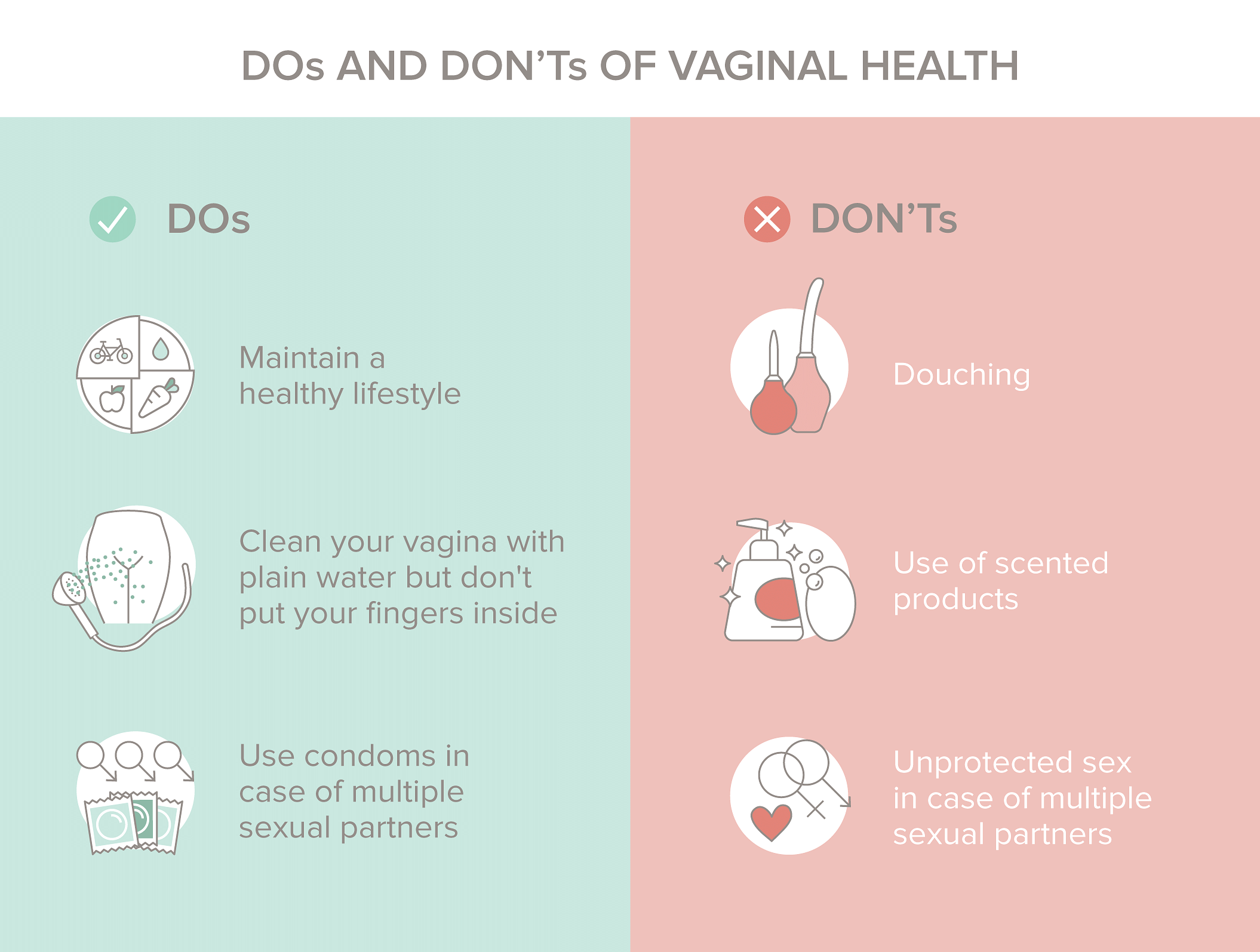
As we’ve established, the inside of the vagina does not need to be cleaned. Water, soap, steam, or any product should not be inserted inside. Cleaning the inside can upset the natural balance and lead to irritation or infections.
However, the outside, the vulva, does need basic hygiene (understand the vulva-vagina difference here). This is the area with folds, sweat glands, and direct contact with clothing. Washing the vulva daily with lukewarm water is generally enough. If you prefer using a wash, make sure it’s pH-balanced and specifically designed for the intimate area. Products meant for the rest of the body are usually too harsh for this delicate skin.
A gentle, pH-balanced wash like the Nua Foaming Intimate Wash can be a supportive addition to your routine for external cleansing, especially during menstruation, after workouts, or when you simply want to feel fresher without disrupting your natural balance.
How Do I Know When Something Is Wrong?
Our bodies are incredibly good at communicating when something needs attention. If you notice any of the following, it may be time to check in with a healthcare professional:
- A sudden strong or unusual odor
- Burning, itching, or discomfort
- Swelling or pain
- Discharge that looks foamy, chunky, or significantly different from your usual pattern
A doctor’s visit is not a sign of failure. It’s simply another form of listening.
What Can I Do to Support My Body’s Natural Balance?
Instead of controlling the vagina, think about supporting the overall environment. A few gently powerful habits include:
- Wearing breathable cotton underwear so moisture doesn’t trap
- Changing out of sweaty clothes soon after exercise
- Drinking water to keep mucus balance natural
- Eating gut-friendly foods like yogurt, fruits, and fibre (gut and vaginal bacteria are connected)
- Wiping from front to back to avoid bacterial transfer
- Using condoms if you have multiple sexual partners, to help prevent infections and imbalance
When you need freshness on the go like when you’re traveling, after sex, or on your period, intimate wipes can be helpful. Look for ones designed for the vulva, not standard body wipes. Nua’s Intimate Wipes are a good option because they’re gentle and pH-appropriate for daily use when needed.
Trusting Your Body
The more we understand how our reproductive system works, the easier it becomes to move away from fear and toward trust. The vagina is not something you need to monitor constantly or correct. It is not inherently unclean or something to be ashamed of.
Blog continues after the ad.

It is a functional, responsive, and protective part of your body, one that has been taking care of itself long before you even thought about it. Your role is not to control it, but to support it with awareness, gentle habits, and confidence.
Your body is not confused, messy, or working against you.
It has always known what it was doing. Now, you know too.
Our experts work round the clock to provide you with the answers that you are looking for. If you have any, leave it in the comment section below or send us a DM at @nuawoman. This is a safe space so don’t hold back on any doubts you may have about your body and mind.
Read all of Dr. Abhinaya Alluri’s other articles here.


I really came know about it now .
Its really helpful..
Tqq much nua women
We are really glad that you found it helpful. 🙂