What you will learn about how to explain menstruation to a daughter:
- Start the period talk early, ideally between ages 8 to 10, so she feels prepared before her first period.
- Keep the conversation simple, honest, and age-appropriate without making it feel awkward or dramatic.
- Explain that periods are a normal part of growing up and happen because the body prepares for future reproduction each month.
- Talk about common puberty signs like breast development, body odour, mood changes, and discharge so she understands body changes.
- Tell her what to expect during a period, including bleeding, cramps, emotions, and that every cycle can feel different.
- Teach practical basics like how to use a pad, when to change it, and what to do if her period starts at school.
- Keep a small period kit ready with pads, underwear, and essentials so she feels confident and prepared.
- Make it an ongoing conversation so she always feels comfortable asking questions later.
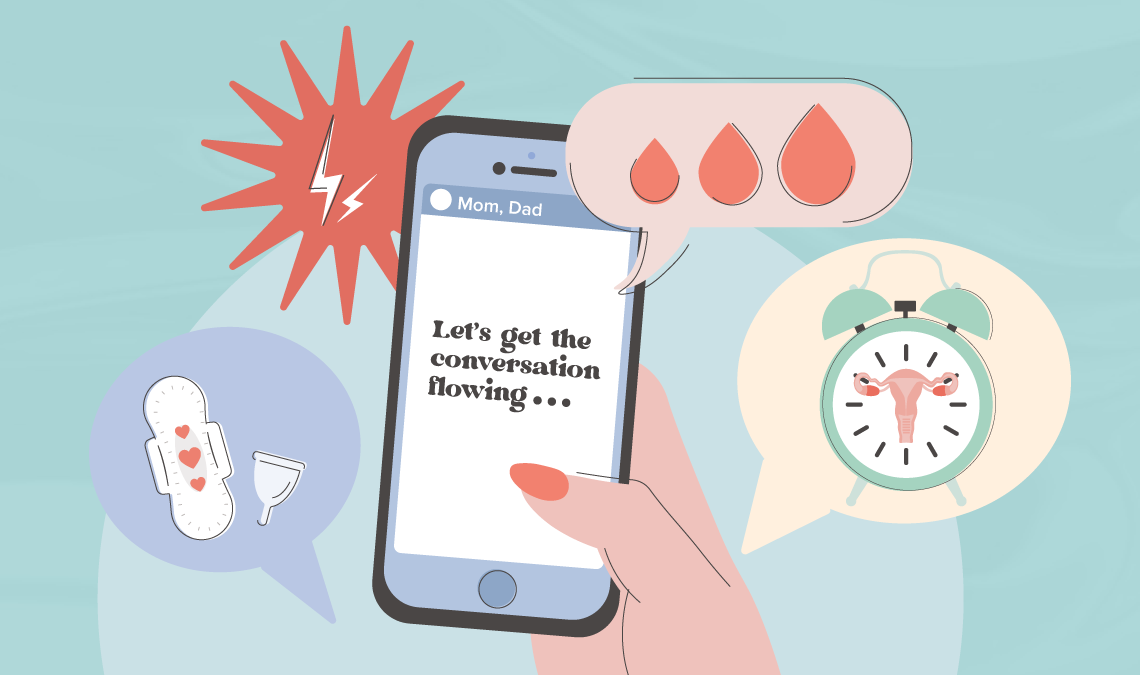
As National Parents’ Day approaches, it serves as a reminder of the pivotal role parents play in their children’s lives, especially during significant milestones like the onset of adolescence. One of the most important conversations parents navigate is how to explain menstruation to a daughter. This dialogue, often called the “period talk,” is essential not only for imparting biological knowledge but also for fostering openness and trust between parent and child. Starting this conversation before it becomes urgent makes all the difference, and knowing where to begin is half the battle.
Why Have the Period Talk?
Talking to your daughter about her first period is more than just a biological discussion. It’s an opportunity to empower her with information and normalize a natural part of life. For many girls, the first period can be confusing or even frightening if they’re not prepared. By knowing how to explain menstruation to a daughter early and openly, parents can ensure their daughters feel supported and informed when the time comes.
Blog continues after the ad.

Part of good puberty education for parents is understanding that children process information gradually. A single conversation isn’t always enough. Revisiting the topic across different ages, and adjusting how you explain things each time, helps the information land more naturally. The goal is for your daughter to feel like she can come to you with questions, not just receive a one-time “talk.”
One of the most helpful things you can do as a parent is normalize periods for kids before they actually start menstruating. When periods are treated as a normal, unremarkable part of growing up, girls are far less likely to feel shame or anxiety around them.
If you’re already thinking about getting your daughter set up with the right period care, you’re ahead of the curve. Explore comfort she can count on, right from her very first period here!
The Right Age to Start the Period Talk, and Why Earlier Is Better
Most parents wonder about the right age to start the period talk. The general guidance from pediatricians and child development experts is to begin around ages 6 to 7, well before most girls get their first period. This isn’t about rushing things. It’s about making sure she’s never caught off guard.
If you’re wondering about explaining menstrual cycle to a 10 year old, the key is keeping it simple and honest. You don’t need to explain every detail of the endocrine system. Start with the basics: what a period is, why it happens, roughly when it might start, and what she should do when it does. Let her curiosity lead the depth of the conversation.
Watching for the signs of puberty in girls guide, things like breast development, pubic hair, and mood changes, can help you time the conversation well. If your daughter is already showing early signs of puberty, the period talk shouldn’t wait.
A Signs of Puberty in Girls Guide: What to Watch For
Knowing what to look for helps you open the conversation at the right time. Here are the most common early signs of puberty in girls:
- Breast development: Usually the first sign, often starting as early as age 8 or 9. One side may develop before the other, which is completely normal.
- Pubic and underarm hair: This typically appears a little after breast development begins.
- Growth spurts: A noticeable increase in height, often accompanied by changes in body shape.
- Body odour: Sweat glands become more active, so this is a good time to introduce deodorant.
- Mood changes: Hormonal shifts can lead to emotional ups and downs that feel confusing for both of you.
- Vaginal discharge: A clear or whitish discharge often appears 6 to 12 months before the first period. This is a helpful signal that menstruation is approaching.
Spotting these signs early gives you a natural opening to begin how to explain menstruation to a daughter in a calm, matter-of-fact way, before it feels like a crisis.
Tips for Starting the Conversation
- Choose the Right Time and Place: Find a moment when both you and your daughter are relaxed and free from distractions. A casual walk, a drive, or another comfortable setting where she feels at ease works well.
- Use Clear and Age-Appropriate Language: Tailor your explanation to your daughter’s level of understanding. Avoid euphemisms or overly technical terms. Use straightforward language to describe what menstruation is and why it happens. You can refer to our Puberty Handbook and the Nua Flow Guide for more information.
- Encourage Questions: Let your daughter know she can ask anything. Be prepared to address concerns about pain, hygiene, and any emotional aspects she may be curious about.
- Don’t Make It a One-Time Event: A first period conversation guide isn’t a script you follow once. Think of it as an ongoing dialogue. Check in with her after the first conversation and keep the door open for more questions.
- Bring in a Resource She Can Keep: Books, guides, or even a well-chosen product kit can make the conversation feel more concrete and reassuring for her.
Sometimes the best conversations start with something tangible in her hands. Built for teens who deserve better than “just deal with it,” explore Nua’s Teen Comfort Pack.
A First Period Conversation Guide: How to Have the Talk, Step by Step
This is a practical, actionable guide for parents who want to approach the conversation with confidence.
- Start with the body, not the period: Before jumping into menstruation, talk generally about puberty and body changes. This sets context and makes the period conversation feel like a natural continuation rather than a big reveal.
- Use a simple definition: Try something like: “Every month, your body prepares in case you ever want to have a baby. When that doesn’t happen, the lining of your uterus sheds, and that’s what a period is.” Short, clear, and accurate is better than lengthy.
- Explain what it feels like and what to expect: Tell her about cramps, flow, and duration. Describe how she might feel emotionally. Reassure her that it’s different for everyone, and that none of it means something is wrong.
- Walk her through the practicalities: Cover period hygiene tips for beginners: how to use a pad, how often to change it, how to dispose of it, and what to do if her period starts at school. Practical knowledge is what makes her feel genuinely ready.
- Put together a period kit together: Having a small pouch with pads or other products ready, even before her period starts, is one of the most reassuring things you can do. It turns an abstract conversation into something real and actionable.
- Keep the conversation going: After the first talk, check in regularly. Ask if she has questions. Let her know this is an ongoing conversation, not a checkbox moment.
This kind of structured approach to how to explain menstruation to a daughter means she never has to piece together the information herself from unreliable sources.
Why Choose Nua for Your Daughter?
At Nua, parents can find a trusted ally in navigating their daughters’ menstrual journey. With a commitment to quality and safety, Nua products are crafted with the safest ingredients, formulated to be non-toxic, and created for sensitive skin. This ensures that your daughter’s period care is gentle and effective, offering comfort during her menstrual cycle.
Nua understands that part of how to explain menstruation to a daughter is showing her, not just telling her, that her comfort matters. Products designed with teens in mind send a message: you don’t have to put up with irritation, bulk, or discomfort just because it’s “normal.”
Nua: Trusted by Thousands of Mothers
Nua understands that each girl’s menstrual experience is unique. That’s why over 5 lakh mothers trust Nua to provide reliable period care products that cater to their daughters’ specific needs. From the first period onward, Nua is dedicated to supporting girls with high-quality products designed with their comfort and safety in mind.
Part of good puberty education for parents is recognising that you don’t have to figure it all out alone. Trusted resources, honest conversations, and products that actually work make the whole experience smoother for both of you.
Over 5 lakh mothers have already made this choice for their daughters, explore it for your daughter too here.
Conclusion
Understanding how to explain menstruation to a daughter doesn’t require a perfect script. It requires showing up early, being honest, and creating a space where she feels comfortable asking questions. Start before you think you need to, normalize periods for kids as part of everyday life, follow her signs of puberty, cover the hygiene basics, and keep the conversation going. And when you’re ready to back those conversations up with products that actually care for her comfort, Nua is there for exactly that. This is one of those conversations that stays with her. Make it a good one.
Disclaimer:
The content of this article is provided for general informational and educational purposes only and is not intended to constitute medical advice, diagnosis, or treatment. The information shared is of a general nature and may not be appropriate for all individuals or specific circumstances. Readers should not disregard, delay, or substitute professional medical advice based on the information contained herein.
If you experience any symptoms, notice anything unusual, or have concerns relating to your health or overall wellbeing, you should consult a qualified healthcare professional. While every effort is made to ensure the information shared is accurate and up-to-date, Nua makes no representations or warranties, express or implied, regarding the accuracy, completeness, or suitability of the information provided and disclaims all liability arising from reliance on this content to the fullest extent permitted by law.