
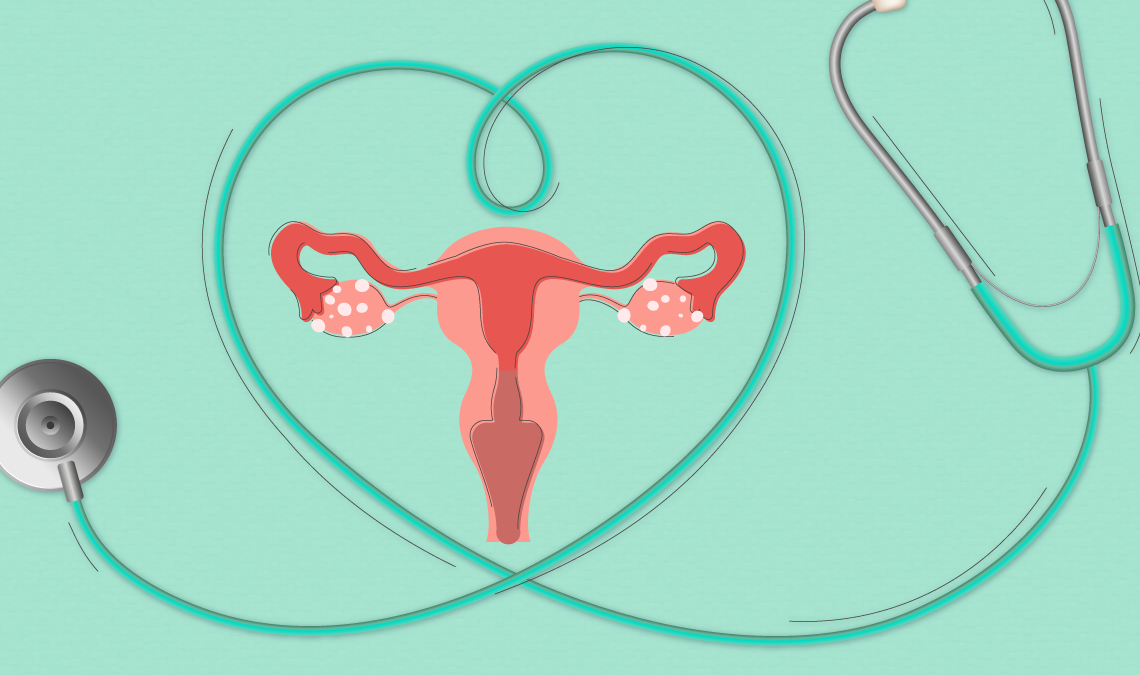
How often should women visit a gynaecologist? If you’re between 17 and 29, once a year, especially if you’re sexually active. Once you’re in your 30s and everything is normal, you can usually stretch visits to every 1-3 years. But if you have PCOS, endometriosis, fibroids, a family history of reproductive cancers, or you’re heading into perimenopause, you’ll need more frequent check-ins.
What you will learn about in this guide how often should women visit a gynaecologist:
- How often should women visit a gynaecologist? If you’re 17–29, visit once a year. After 30, every 1–3 years if results are normal and risk is low.
- Visit sooner if you notice bleeding between periods, severe new pelvic pain, foul discharge, painful urination, or unusual lumps.
- You still need a gynaecologist even if you’re not sexually active. Cycles, cysts, PCOS, and hormonal issues aren’t sex-dependent.
- Schedule appointments mid-cycle if possible, and avoid sex, tampons, or vaginal products 24–48 hours before.
- Track changes in cramps, flow, cycle length, discharge, or pain, as pattern shifts matter more than one-off symptoms.
- Ask what tests are being done, what’s normal for your age, and whether your birth control still suits your lifestyle.
- Don’t delay visits out of awkwardness. Early detection makes most reproductive issues far easier to treat.
Nobody really tells you how often you should visit a gynaecologist. We learn about periods from that awkward school assembly with the free pad samples. We learn about sex from friends, the internet, or trial and error. But gynaecological health? That sits in this weird gap where we’re supposed to just know things without anyone actually teaching us. Your mom might have taken you to “get checked” at some random time. But the follow-ups? Some unspecified intervals. Your friends might mention their gynaec appointments in passing, but nobody’s comparing notes on frequency or what actually happens in there. And Google? Google will convince you that literally every symptom is either nothing or cancer, with no useful middle ground.
The result is that most of us are either hyper-vigilant, booking appointments for every minor irregularity, or we’re avoiding the whole thing until something genuinely scary happens. Neither extreme serves us well. So let’s fix that with actual, practical information that doesn’t assume you already have a medical degree.
How Often Should Women Visit a Gynaecologist, Really?
If you’re between 17 and 29, a gynaecologist visit frequency of once a year is the sweet spot, according to especially if you’re sexually active. That’s when cervical cancer screening (the Pap smear everyone dreads) typically begins, and your gynaec becomes your annual gyno checkup partner for everything from hormonal shifts to that weird discharge you’ve been noticing every few weeks.
This is also when a gynaecologist visit for teens first becomes relevant, and it’s worth normalising early. Getting comfortable with these appointments in your late teens sets up healthier habits for life.
Blog continues after the ad.

A gynaecologist visit in your 30s can look different. If everything’s normal, you might stretch visits to every three years. But your baseline health, sexual activity, and whether you’re on contraception all shift this timeline. If you have PCOS, endometriosis, or a family history of reproductive cancers, you’ll need more frequent monitoring because these conditions tend to sneak up on you if you’re not careful. Similarly, perimenopause gynaecologist visits often become more frequent as hormone levels start shifting, sometimes from your early 40s onward.
Remember, the gynaecological checkup schedule shouldn’t just be about cancer screening. Your gynaecologist tracks patterns like how your periods have changed, whether your cramps have intensified, or if you’re experiencing pain during sex. These breadcrumbs matter because conditions like fibroids or ovarian cysts develop slowly, and catching them early makes all the difference. A Pap smear schedule and HPV test frequency for women are just two pieces of a much bigger women’s preventive health screening picture.
If heavier flows are something you’re managing between appointments, at least make sure you have pads that work for you. Try Nua’s Ultra-Absorbent Pads.
When Should I See a Gynaecologist ASAP? Signs You Can’t Ignore
Don’t wait for your next scheduled visit if any of the following are happening. These are symptoms that deserve prompt attention.
- Bleeding between periods or after sex: This isn’t just spotting you can blame on stress. Abnormal bleeding symptoms can signal polyps, infections, or hormonal imbalances that need actual medical investigation. If you’re also noticing heavier flows, switching to Nua’s Ultra-Absorbent Pads is a practical immediate step, but don’t let product management replace the doctor’s visit.
- Severe pelvic pain that feels different from your usual cramps: We’re talking pain that stops you mid-sentence or wakes you up at night. This could be ovarian torsion, a ruptured cyst, or ectopic pregnancy if there’s any chance you’re pregnant. Products designed for cramp relief like Nua’s Cramp Comfort can help between visits, but visiting is non-negotiable.
- Unusual discharge with a genuinely foul smell or accompanied by itching or burning: Your vagina has a natural pH around 3.8–4.5, maintained by lactobacilli bacteria. When that balance tips, you get bacterial vaginosis or yeast infections. A shift in discharge texture, colour, or smell is your body literally telling you the ecosystem down there needs intervention. A vaginal health checkup is the right next step. While using a pH-balanced intimate wash helps maintain daily hygiene, it won’t cure an infection.
- Lumps or bumps you can feel in your vulva or vaginal area: Most are benign cysts, but you need a professional eye on them.
- Painful urination combined with pelvic discomfort: UTIs and STIs overlap in symptoms, and both require specific treatments you can’t DIY.
- Irregular periods that feel new or unexplained: If you’re wondering whether to see a gyno for irregular periods, the answer is yes. Erratic cycles can indicate thyroid dysfunction, premature ovarian insufficiency, or stress-related hormonal shifts, all of which are worth investigating.
How Do I Prepare for a Gynaecologist Appointment? Your Actionable Prep Guide
A little preparation goes a long way. Here’s exactly what to do in the days leading up to your visit, step by step.
Schedule it mid-cycle if possible. This means roughly day 10–20 of your cycle if you’re regular, because you want to avoid your period for most exams, and you also want to dodge the progesterone surge right before menstruation that can make your breasts tender during examination.
72 hours before: Stop using vaginal products. That means douches, scented sprays, or even that fancy bath bomb. Your vagina is self-cleaning through natural discharge, and these products actually strip away the diagnostic clues your gynaec needs.
48 hours before: No sex, no tampons, no vaginal medications. Spermicides and lubricants can interfere with Pap smear results by obscuring cervical cells under the microscope.
24 hours before: Write down your questions. Include the date of your last period, any medications you’re on, sexual history updates, and specific symptoms with dates. If you’ve been googling “when to see a gynecologist” for a particular symptom, write it down instead.
Day of: Shower normally, skip heavy perfumes near your vulva. Wear comfortable clothes because speculums are nobody’s idea of fun, and you don’t want to compound that with tight jeans you have to wrestle back on. Pee before the exam because a full bladder can make pelvic exams uncomfortable.
Do I Need to Visit a Gynaecologist If I’m Not Sexually Active?
Yes, absolutely. Gynaecological health isn’t contingent on whether you’re having sex.
Ovarian cysts, endometriosis, PCOS, and cervical changes can all occur even without sexual activity. You can have irregular periods regardless of sexual activity, and these can indicate thyroid dysfunction, premature ovarian insufficiency, or hypothalamic amenorrhea from excessive exercise or stress.
Your menstrual cycle itself is a vital sign, as significant as your blood pressure or heart rate, and a reproductive wellness checkup helps you stay on top of your general health. Plus, contraception isn’t just about preventing pregnancy. Hormonal birth control can manage severe cramps, regulate erratic cycles, and treat acne by suppressing androgens. Your gynaecologist can prescribe these even if you’re not sexually active, because your quality of life matters independently of your sex life.
This also applies during pregnancy. A gynaecologist visit during pregnancy is obviously essential, but establishing this relationship before pregnancy makes everything smoother when the time comes.
What Questions Should I Actually Ask My Gynaecologist?
The best appointments happen when you treat your gynaecologist like a specialist consultant, not a mind reader. Come prepared with these:
“My cramps/flow/cycle used to be X, but now it’s Y. Is this normal?” Pattern changes matter more than one-off weirdness. Give them timelines and specifics. “My cramps used to be manageable with painkillers, but the last three cycles have been debilitating” gives them something diagnostic to work with.
“What exactly are you testing me for today?” Not all screenings test for everything. You might need to explicitly request testing for a specific infection like a UTI, yeast infection, or STI.
“What should my discharge look like throughout my cycle?” Knowing your normal means you’ll catch abnormal faster.
“Does my current birth control method still make sense for my lifestyle?” If you’re on the pill but constantly forgetting it, or if you’re getting breakthrough bleeding on your IUD, ask about alternatives.
“Can you explain what you’re doing and why as you do it?” Request real-time explanations. “I’m doing a bimanual exam to check your ovaries and uterus for size, shape, and tenderness” is information you deserve in the moment.
“This hurts. Is that normal?” If something hurts beyond normal discomfort, speak up immediately. Pain is data, not weakness. A good gynaecologist will adjust technique, use more lubricant, or try a smaller speculum.
Real Talk: Don’t Avoid It!
The vulnerability of visiting your gynaecologist is physical and psychological simultaneously. You’re literally exposed while someone examines your most private anatomy, often while you’re making awkward small talk.
But this discomfort is temporary and preventative. Cervical cancer caught early has a five-year survival rate above 90%. Endometriosis diagnosed in your twenties versus your thirties means years less of chronic pain. Your fertility options expand when you know your baseline ovarian reserve and address issues like blocked fallopian tubes early.
And rest assured, your gynaecologist has seen thousands of vulvas and vaginas. Yours isn’t weird, your concerns aren’t stupid, and your body doesn’t need to be “prepared” beyond basic hygiene. They’re checking for health, not judging aesthetics. And if your current gynaecologist makes you feel judged, dismissed, or uncomfortable beyond the inherent awkwardness of the exam itself, find a new one! Your healthcare should never include shame as a side effect.
Frequently Asked Questions
At what age should I first visit a gynaecologist?
Most women should start visiting a gynaecologist around 17-19, or earlier if you’re sexually active or have period-related concerns. It’s a good age to normalise these check-ups and build a relationship with your doctor before issues come up.
Can I visit a gynaecologist during my period?
You can, but it’s best to schedule routine check-ups and Pap smears mid-cycle (around day 10-20) since blood can interfere with test results. If your concern is urgent or directly related to your period, like severe pain or heavy bleeding, don’t wait.
What happens during a routine check-up?
A typical visit includes a chat about your cycle, symptoms, and sexual health, followed by a physical exam that may involve a pelvic exam, breast check, or Pap smear depending on your age. Your gynaec might also order blood tests or an ultrasound if anything needs a closer look.
How often should I get a Pap smear?
Most women should start getting Pap smears at 21 and repeat them every 3 years if results are normal. After 30, you can usually space it out to every 5 years if it’s combined with an HPV test.
Disclaimer:
The content of this article is provided for general informational and educational purposes only and is not intended to constitute medical advice, diagnosis, or treatment. The information shared is of a general nature and may not be appropriate for all individuals or specific circumstances. Readers should not disregard, delay, or substitute professional medical advice based on the information contained herein.
If you experience any symptoms, notice anything unusual, or have concerns relating to your health or overall wellbeing, you should consult a qualified healthcare professional. While every effort is made to ensure the information shared is accurate and up-to-date, Nua makes no representations or warranties, express or implied, regarding the accuracy, completeness, or suitability of the information provided and disclaims all liability arising from reliance on this content to the fullest extent permitted by law.