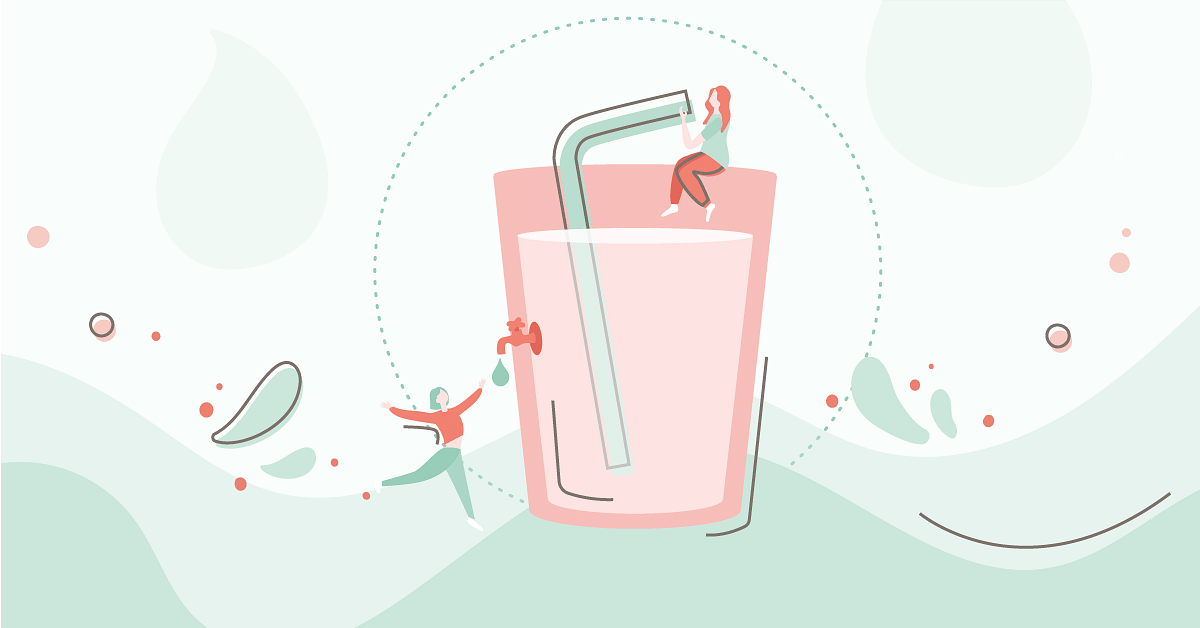
Drinking water keeps your body functioning the way it’s supposed to. It supports clearer skin, smoother digestion, steady energy, sharper focus, healthy kidneys, balanced body temperature and stable mood. For women specifically, good hydration eases PMS bloating, supports gut comfort and helps the skin recover from hormonal flare-ups.
What you will learn about the benefits of drinking water in this blog:
- Your body is up to 60% water, and every cell, organ and hormone uses it constantly. Even a 1-2% drop shows up as fatigue, headaches and brain fog.
- Most women need around 2.7 litres of total fluid daily, but that includes water-rich foods like cucumber, watermelon and soups, not just glasses of water.
- Hydrated skin looks plumper because the skin barrier holds moisture better. Water itself won’t erase wrinkles, but dehydrated skin shows fine lines and dullness faster.
- Water keeps your digestion moving by softening stool and helping fibre do its job. Low intake is one of the most common reasons behind bloating and constipation.
- Hormonal shifts during PMS make your body hold onto water, so drinking more (not less) actually reduces period bloating and cramps.
- Pale yellow urine, steady energy and rare thirst are the clearest signs you’re hydrated. Dark urine, dry lips and that mid-afternoon crash usually mean you’re not.
Why we keep underestimating water
You can eat clean, sleep eight hours, do your skincare routine religiously, and still feel like a wrung-out by 4 pm. And the reason is almost always the most boring one. lack of water. The benefits of drinking water sound like something your mum has been telling you since you were nine, which is exactly why most of us tune it out. But the science is genuinely interesting once you stop rolling your eyes at it.
Water makes up about 60% of an adult body, and closer to 70% if you’re talking about lean tissue and individual cells. It’s the medium your blood uses to deliver oxygen, the cushion around your joints, the regulator that stops your body from overheating, and the solvent that lets your kidneys flush out everything you don’t need. According to the Mayo Clinic, every cell, tissue and organ in your body depends on water to function properly. When you’re even mildly dehydrated, your body starts triaging. The non-essential stuff (glowy skin, sharp focus, good mood) gets deprioritised first.
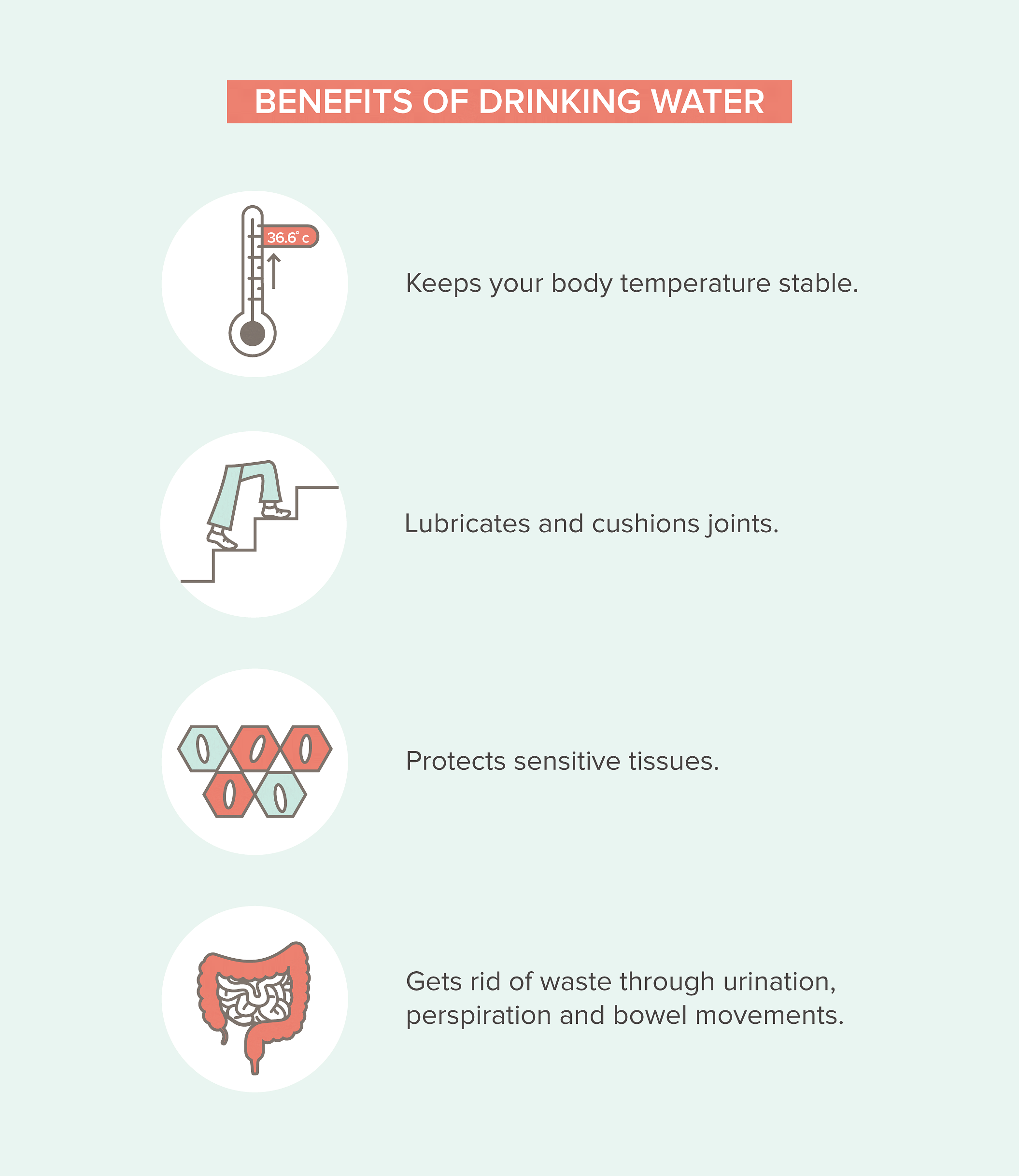
That sluggish, low-grade tired feeling you blame on bad sleep or your job? Research from the Centers for Disease Control and Prevention notes that even mild dehydration affects mood, energy and cognitive function. So before you reach for another coffee, check your water bottle.
On the topic of small daily choices that quietly shape how you feel, the products that touch your body every day matter just as much as what you put inside it. Nua’s Sanitary Pads are built for comfort on the days when your body is already doing a lot. Soft, ultra-thin and breathable, so you’re not adding irritation to an already demanding week.
What hydration actually does inside you
Let’s break it down properly, because “water is good for you” is the kind of advice that does nothing. Here’s what changes inside your body when you drink enough.
Does water help skin, digestion, energy? Yes, and here’s how
- Skin: Your skin is your largest organ, and the outermost layer (the stratum corneum) needs water to stay flexible and act as a barrier. When you’re dehydrated, this layer loses elasticity, fine lines become more visible and your skin looks tired. Water alone won’t reverse ageing, but consistent hydration keeps your skin barrier doing its job. The question “does water help skin” comes up a lot, and the honest answer is: it’s foundational, not magical.
- Digestion: Water softens stool and helps fibre move through your gut. Without enough of it, fibre actually makes constipation worse, not better. If you’ve upped your salad game and still feel backed up, the missing piece is usually water.
- Energy: Your blood is mostly water. When you’re low, blood volume drops, your heart works harder to pump oxygen around, and you feel that as tiredness, slower thinking and that classic 3 pm slump.
- Kidneys: Your kidneys filter about 180 litres of fluid every day. Water is what lets them flush out waste, prevent UTIs and keep stones from forming.
- Brain: Studies cited by the World Health Organization show that even 1-2% dehydration impacts memory, attention and mood. Brain fog is often just thirst in disguise.
- Temperature: Sweating is your body’s air-conditioning, and you can’t sweat efficiently without water. This matters more than ever in Indian summers.
Blog continues after the ad.
Hydration for Women’s Health: Why It’s Essential
Most water advice is written like all bodies are the same. They’re not. Hydration for women’s health deserves its own conversation because of one big variable: hormones.
In the week before your period, oestrogen and progesterone shift in ways that make your body cling to sodium and water. That’s the bloating, the puffy face, the rings that suddenly don’t fit. The counterintuitive fix? Drink more water. When you’re slightly dehydrated, your body holds onto fluid even harder. Steady hydration tells your body it doesn’t need to hoard.
Water also softens the cramping experience. Cramps are essentially uterine muscle contractions, and dehydrated muscles cramp more aggressively (think calf cramps after a long run). The same logic applies. Warm water during your period is especially good because heat helps relax the muscle wall.
Then there’s skin. Hormonal acne and pre-period breakouts are partly an inflammation story, and a dehydrated skin barrier is a more reactive skin barrier. Hydration won’t replace your skincare, but it gives everything else a better surface to work on.
Your period week is when your body needs the most gentleness, and that includes what sits against your skin. Nua’s Pads are rash-free, fragrance-free and designed for women who’re tired of irritation being treated as normal. Pair them with a refilled water bottle and you’ve genuinely covered the period basics.
How Much Water To Drink Daily
The eight-glasses rule is a myth dressed up as science. Your real number depends on your size, your climate, what you eat and how much you move. Here’s a more honest way to figure it out.
Your hydration starting point
- Start the day with 500 ml: You’ve gone 7-8 hours without water during sleep. A full glass before coffee resets the clock and primes your kidneys for the day.
- Aim for 2.7 litres of total fluid if you’re a woman: This is the figure the Mayo Clinic uses, and it includes everything (water, herbal tea, coconut water, soups, water in fruits and vegetables).
- Add 500 ml for every hour of exercise: Sweat loss adds up fast, especially in Indian humidity.
- Drink a glass before every meal: It anchors your hydration to existing habits, which is why it actually works long-term.
- Keep a 1-litre bottle on your desk: Aim to finish it twice. Visible bottles get drunk; bottles in the kitchen don’t.
- Eat your water too: Cucumber, watermelon, tomatoes, oranges, spinach and curd are 85-95% water. They count.
- Check in with your doctor if you have thyroid issues, heart problems or take certain medications: Some conditions change how much water you actually need.
Signs of Dehydration Most People Miss
Thirst is a late signal. By the time you feel parched, you’re already 1-2% dehydrated. The earlier signs of dehydration are sneakier, and women in particular tend to write them off as stress or bad sleep.
- Dark yellow urine: Pale straw colour is the target. Bright yellow or amber means drink up.
- Mid-afternoon crash: If you hit a wall at 3 pm every day, try water before coffee. Sometimes it’s the answer.
- Dry lips, dry mouth, sticky saliva: Your body conserves moisture for vital organs first; the mouth and lips show it early.
- Headaches, especially behind the eyes: A surprising number of headaches resolve with two glasses of water.
- Dizziness when you stand up: Low fluid volume drops your blood pressure briefly when you change position.
- Sudden sugar cravings: The brain confuses thirst signals with hunger and reaches for quick energy.
- Constipation or harder bowel movements: Your gut is one of the first systems to feel a water shortage.
Listening to your body’s small signals is the whole game, in hydration and in period care. Nua’s Sanitary Pads are designed around the things women have quietly tolerated for years (rashes, leaks, that plastic-y feel). Soft top sheet, leak-proof sides, no fragrance. The kind of care that doesn’t ask you to compromise.
Can You Drink Too Much Water?
Short answer: yes, but it’s rare. Healthy adults almost never run into trouble. The exception is endurance athletes who chug litres during long workouts without replacing salt, or people with kidney or heart conditions whose bodies retain water.
When you drink more water than your kidneys can process, the sodium in your blood gets diluted. This is hyponatremia, and in serious cases it can be life-threatening. Symptoms include nausea, confusion, headaches and in extreme cases, seizures. If you have thyroid disease, heart issues, or take certain anti-inflammatory medications, your body holds water differently. Talk to your doctor about your specific number rather than copying a generic chart.
For most women going about a normal day in a normal climate, you can stop worrying about overdoing it. Your body is genuinely good at signalling when it’s had enough.
Simple Ways to Actually Drink More Water
Knowing you should drink more water and doing it are two different things. A few tricks that work without requiring willpower:
- Flavour it: Mint, lemon, cucumber, a few berries. Plain water gets boring; flavoured water gets finished.
- Pair it with a habit you already have: A glass after brushing teeth, before every meeting, after every coffee.
- Use a bottle with time markers: Visual cues are stupidly effective.
- Start meals with water, not after: It also helps with overeating.
- Track for one week only: Just to see where you actually land. Most people are off by 30-40%.
The Bottom Line
Water isn’t a wellness trend, and it isn’t going to fix everything. But it sits underneath almost every system in your body, which is why the benefits of drinking water show up in places you wouldn’t expect: your mood at 4 pm, the way your skin reacts during PMS week, how your gut feels after dinner, whether your afternoon meeting drains you or doesn’t.
The shift worth making is small. Stop treating water as a chore and start treating it as the first thing you do for yourself each day. A glass before coffee. A bottle on your desk. Water before the meal, not chasing it. None of this is dramatic, and that’s exactly why it works. The women who feel best in their bodies aren’t doing complicated things; they’re doing the basic things consistently.
Start with one week of paying attention. Notice the urine colour, the energy dips, the headaches, the cravings. Then adjust. Your body will tell you what it needs once you give it the chance to.
FAQs
How much water should I drink daily?
Around 2.7 litres of total fluid is a solid baseline for most women, with more needed if you’re active, pregnant, or breastfeeding. Use pale urine and steady energy as your real signals.
Does water improve skin?
Yes, but as support, not a transformation. It strengthens your skin barrier from within, giving better elasticity and a calmer complexion when paired with sunscreen and sleep.
What are signs of dehydration?
Dark urine, headaches, dry lips, brain fog, dizziness on standing, and sugar cravings. Thirst is a late signal, so don’t wait for it.
Can water help with weight loss?
Indirectly, yes. Drinking water before meals curbs overeating and replaces sugary drinks where hidden calories live. It removes friction from the process, but it isn’t a fat-burner.
Disclaimer:
The content of this article is provided for general informational and educational purposes only and is not intended to constitute medical advice, diagnosis, or treatment. The information shared is of a general nature and may not be appropriate for all individuals or specific circumstances. Readers should not disregard, delay, or substitute professional medical advice based on the information contained herein.
If you experience any symptoms, notice anything unusual, or have concerns relating to your health or overall wellbeing, you should consult a qualified healthcare professional. While every effort is made to ensure the information shared is accurate and up-to-date, Nua makes no representations or warranties, express or implied, regarding the accuracy, completeness, or suitability of the information provided and disclaims all liability arising from reliance on this content to the fullest extent permitted by law.
Our experts work round the clock to provide you with the answers that you are looking for. So, if you have any, leave it in the comment section below or send us a DM at @nuawoman. This is a safe space that we have built for you so do not hold back on any doubts you may have about your body and mind.
Read other articles by Preeti Chedda here.