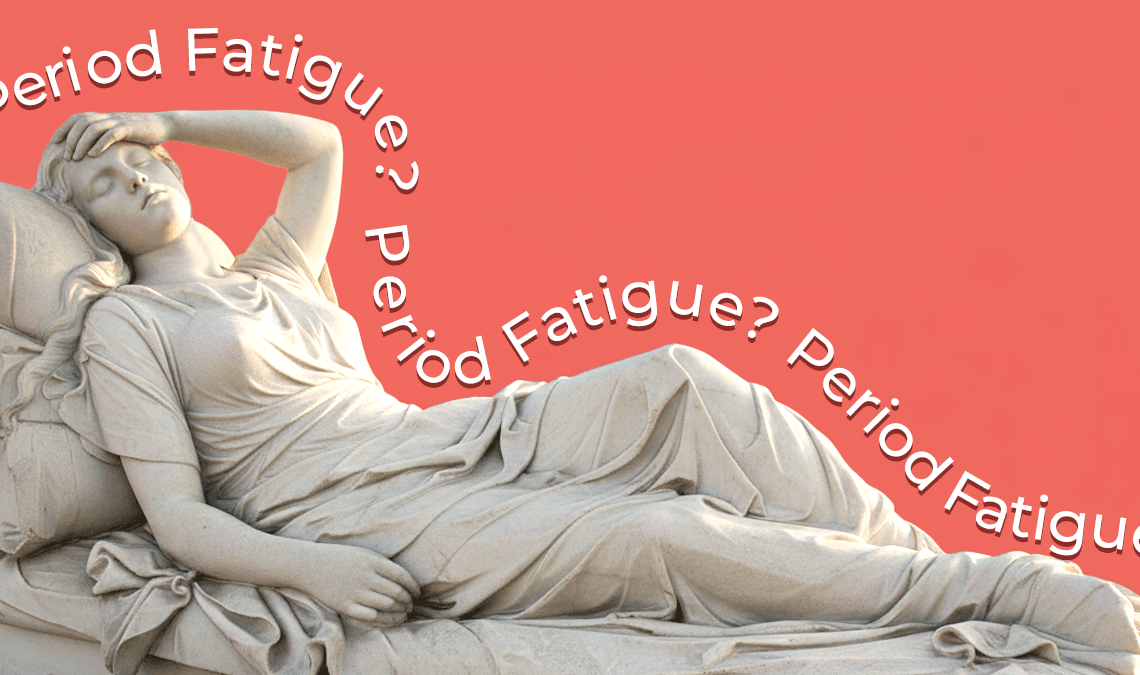
First things first, period fatigue is real, and you’re not the only one wondering why it feels like someone pulled the plug on your energy every month. So, let’s not gaslight ourselves (or let anyone else gaslight us) into believing that we’re being lazy, incompetent or underproductive.
Between the cramps, cravings, mood swings, and that bone-deep tiredness, it’s easy to start questioning if it’s all in your head. Spoiler: it’s not. What you’re feeling is a mix of biology, chemistry, and your body doing some serious behind-the-scenes work.
Let’s dive in deeper to understand this…
When Tired Isn’t Just Tired, It’s Period Fatigue!
You know those mornings when even lifting your coffee cup feels like a full-body workout? When your eyelids weigh more than your laptop, and you’re already fantasizing about a nap before you’ve had breakfast? That, right there, is period fatigue, the kind of exhaustion that feels cellular, like your energy has been siphoned off overnight. And no, you’re not being dramatic, or lazy. Your body is literally running a marathon behind the scenes.
During your period, your body’s doing a deep clean. It’s shedding the uterine lining, rebalancing hormones, replenishing nutrients, and dealing with a mini inflammatory storm (more on that here). That means blood loss, iron depletion, hormone dips, and shifts in brain chemistry, all happening at once.
So when you ask yourself, “Why am I so tired during my period?”, the short answer is: because your body is busy being a biochemical superhero.
The Science Behind the Slump
Let’s get into biology. Right before your period starts, estrogen and progesterone levels take a nosedive. Estrogen, which usually boosts serotonin and energy, suddenly disappears. That drop can tank your mood, fog up your brain, and make every small task feel uphill.
But here’s where it gets even more fascinating. Research shows these hormonal shifts don’t just stay in the reproductive lane. They ripple through metabolic pathways too, changing how your body handles amino acids, fats, and vitamins. Levels of key antioxidants like glutathione can dip, which means your cells are more vulnerable to oxidative stress, a fancy way of saying your system gets a little more drained.
And this isn’t just about physical tiredness. Research shows that hormonal changes and fatigue affect cognitive function too. Neurotransmitter activity and connectivity shift (basically the messages for your brain to the rest of your body get intercepted or slow down), which can explain why your focus, alertness, and even reaction time can feel slightly off balance during this phase.
Meanwhile, progesterone (the hormone that has a calming, almost sedative effect) also plummets, which can throw your sleep cycle completely off. Together, this hormonal cocktail explains why PMS fatigue can hit even before the bleeding begins.
Then comes the iron story. Every drop of blood lost during menstruation carries iron with it, and iron is what helps red blood cells ferry oxygen around the body. Less iron means less oxygen reaching your muscles and brain, so of course you feel wiped out. This is where menstrual fatigue can slip into full-blown iron-deficiency anemia if your diet isn’t replenishing what you lose. And that fatigue? It doesn’t just make you sleepy. Research shows it can affect mood and motivation, making even normal days feel like a marathon.
How Stress Factors Into Period Fatigue
Of course, biology doesn’t exist in a vacuum. Add chronic stress, like tight work deadlines, relationship issues, financial pressure, and you introduce cortisol, your main stress hormone, into the mix. Cortisol works with (and sometimes against) your reproductive hormones. When it’s chronically high, it messes with sleep, metabolism, and even how your body produces DHEA, a key hormone that supports estrogen and testosterone balance. Low DHEA equals low energy and a greater sense of burnout, especially during your period. So if your fatigue feels extra intense some months, it’s not in your head. It’s in your hormones.
But your hormones aren’t sabotaging you, they’re actually protecting you.
What’s wild is how smart the body is about energy conservation. It knows it about to do a whole clean up so it makes you tired, hoping that you’ll take it easy and all that extra energy can be used for menstruation. When menstrual cycle energy levels drop, your body is basically saying, “Hey, we need to redirect resources. Let’s cool it during the 6am spin class.” The hormonal changes and fatigue you feel are your body’s way of ensuring it can do its internal maintenance without burning out. It’s a survival mechanism disguised as tiredness.
But modern culture doesn’t make space for that. We’re told “no days off”, “push through,” “lean in,” and keep hustling, no matter what our bodies are trying to say. So when period tiredness hits, we label it as weakness instead of wisdom. The truth? Resting during your period isn’t giving up, it’s syncing up.
Fuelling Your Energy Instead of Fighting Your Body
So how do you work with your body instead of against it? Start by syncing your lifestyle with your cycle. Cycle syncing is about matching your habits—workouts, nutrition, even social life—to the natural flow of your hormones.
- Follicular phase (after menstruation): Energy and hormone levels start rising. This is when pushing for consistent workouts and productivity can feel natural and even energizing. The “no days off” mantra fits perfectly here because your body’s rhythm supports it.
- Ovulation: Energy peaks, and you might feel your most confident and social. This is your time to go all in.
- Luteal phase (after ovulation): Progesterone rises, which can lead to a natural dip in energy. Fatigue tends to increase, so this is the moment to slow down—opt for low-intensity workouts and prioritize rest.
- Menstrual phase: Everything drops again. Honoring the need for downtime or gentle movement like restorative yoga or walking isn’t slacking, it’s smart cycle syncing.
Fatigue during your period isn’t a personal failure, it’s a physiological cue. So instead of forcing productivity, try listening to your body. Gentle movement like walking or restorative yoga can boost circulation and ease cramps. Prioritize sleep, hydration, and nutrient-dense foods that support recovery.
What To Eat When Your Energy Tanks
When your body’s busy doing all the behind-the-scenes work, it needs extra support. Iron-rich foods, healthy fats, and complex carbs do more than just fill you up—they stabilize energy, balance hormones, and help you bounce back from that deep period fatigue. Each meal is a small act of recovery, helping you feel grounded instead of drained.
| What You Can Eat | How It Helps |
| Dark chocolate (70% cocoa or more) | Provides magnesium and antioxidants that boost mood |
| Leafy greens like spinach and kale | Replenish lost iron and thereby eases out body fatigue |
| Nuts and seeds (flaxseeds, walnuts, almonds) | Supply healthy fats to support hormone balance and energy. |
| Peppermint/Chamomile tea | Peppermint tea helps relieve period pain primarily through its active ingredient menthol, which has antispasmodic effects on smooth muscle. |
| Citrus fruits and water-rich fruits (watermelon, tomatoes) | Keep you hydrated and naturally curb sugar cravings |
| Beans, lentils, and whole grains | Offer slow-release energy and stabilize blood sugar/hormones |
Food is your body’s fuel. Choosing the right nutrients helps keep your energy steady, your hormones happier, and your mood less all-over-the-place. Think of it as eating in sync with your cycle. Not to restrict, but to replenish.
Rest as Rebellion
We live in a world that glorifies hustle and dismisses rest as weakness. But fatigue during periods is not laziness, it’s biology demanding balance. Your body isn’t broken for needing downtime, it’s brilliant for knowing when to slow down.
Answering the natural urge to slow down or recharge—whether with naps, warmth (this helps!), pain-relief drinks (like this one), gentle yoga, or simply unplugging—transforms fatigue from foe to ally. These habits honor recovery, boost comfort and and, according to recent research, can actively support well-being and reduce fatigue during menstruation, especially for those who experience heavier cycles or increased physical and mental strain. So, you’re not slacking. You’re restoring hormonal balance, lowering cortisol, and helping your body bounce back stronger next cycle. Think of it as radical self-respect.
And if anyone ever calls you lazy for it? Remind them that your body is performing a full-scale physiological operation while you’re still showing up to work, living life, and keeping it together. That’s not laziness. That’s resilience.
To learn more about Ragini’s work with cycle syncing, and to get support for creating your own cycle syncing plan, check out @cyclesyncwithragini!