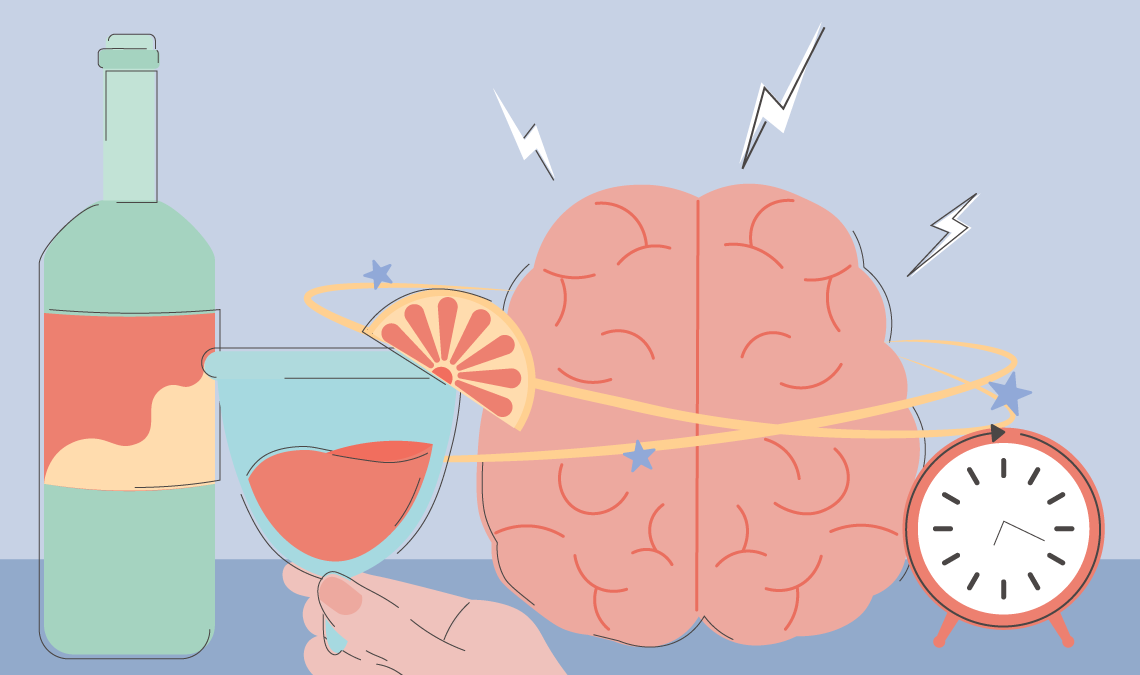
What you will learn in this blog about why alcohol hits harder during perimenopause:
- Alcohol stays in the body for longer during perimenopause, making the same number of drinks feel much stronger than before.
- Age-related changes, such as reduced liver function, lower body water, and fewer alcohol-processing enzymes, contribute to lower alcohol tolerance.
- Fluctuating estrogen levels can slow alcohol metabolism and make hangovers feel more intense and longer-lasting.
- Falling progesterone levels can affect the brain’s calming pathways, increasing the risk of anxiety, mood swings, and “hangxiety” after drinking.
- Alcohol can worsen common perimenopause symptoms such as hot flashes, night sweats, poor sleep, brain fog, and weight gain.
- Small changes such as drinking less, drinking earlier, staying hydrated, and identifying personal triggers can make alcohol easier to tolerate.
Have you ever thought about why alcohol hits harder during perimenopause? Like, earlier, two glasses of wine used to be, well, just two glasses of wine. A pleasant Friday night, maybe a slightly fuzzy Saturday morning, but that was about it.
And now? Those same two glasses somehow feel like four. The next morning arrives faster and hits SOOO much harder. In short, right around perimenopause, your favourite liquor just seems more potent, and recovering from it takes wayyyy longer.
Unfortunately, this perimenopause alcohol sensitivity is quite normal.
Part of it is age. As the body gets older, it becomes less efficient at breaking down alcohol. However, for women, fluctuating hormonal levels during perimenopause can make things worse by affecting how alcohol is absorbed and processed by the body.
So, let’s understand hormones and alcohol metabolism and take a closer look at alcohol intolerance during perimenopause.
First, What Actually Happens When You Drink
The moment alcohol enters the body, it starts moving from the stomach and small intestine into the bloodstream. From there, it travels throughout the body, including the brain.
That’s when the effects of intoxication start showing up. Feeling relaxed. Feeling more confident. Feeling a little too fun. Or feeling like sending texts that probably should stay in the drafts because your inhibitions are lowered.
Blog continues after the ad.

However, the thing is, alcohol is actually a toxin. So while you’re enjoying all these feelings, the body is working overtime to get rid of it.
And most of that job falls on the liver, with some help from the gut. They both use an enzyme called alcohol dehydrogenase to break alcohol down into a compound called acetaldehyde.
Unfortunately, acetaldehyde is even more toxic than alcohol itself. So the liver quickly brings in a second enzyme called aldehyde dehydrogenase, which converts acetaldehyde into acetate, a much safer substance that is eventually broken down into water and carbon dioxide and removed from the body.
How Ageing Drives Alcohol Intolerance
When you’re young, the entire process of alcohol clearance (explained above) happens quietly in the background, leaving you to enjoy your drinks carefree.
But as you get older, nearing perimenopause, things become a little less efficient, so alcohol stays in the system longer and feels stronger than it once did. Here’s what changes.
There are fewer enzymes to break down alcohol
As you age, the enzymes that help break down alcohol in the stomach and liver naturally become less active. This means more alcohol makes its way into the bloodstream instead of being filtered out.
In fact, as per one study, peak alcohol concentrations were almost 70% higher in older adults. No wonder your alcohol tolerance goes down with age.
There’s less water in the body to dilute the alcohol
Alcohol becomes diluted in the body’s water. As we get older, the amount of water in the body naturally decreases. With less water available, the same amount of alcohol becomes more concentrated in the bloodstream. This is one reason a go-to drink can suddenly hit much harder than it used to.
There’s also the slowing down of your liver
The liver is responsible for breaking down most of the alcohol that enters the body. But as you get older, the liver becomes smaller and receives less blood flow. In fact, research has found that liver volume can decrease by 20-40%, especially after 40.
The result? Alcohol takes longer to leave the body. That drink from the evening may still be making the rounds at 5 am, helping explain why alcohol hits harder during perimenopause.
Since alcohol tolerance can change throughout your 40s, tracking your cycle and symptoms after drinking with Nua’s Period Tracker can make it easier to understand your perimenopause alcohol sensitivity.
And Then, Hormonal Fluctuations Worsen Perimenopause Alcohol Sensitivity
Ageing isn’t the only thing keeping you from your ladies’ night out. During perimenopause, estrogen and progesterone levels fluctuate, somewhat dramatically. And because these hormones influence everything from sleep and temperature to mood and metabolism, alcohol can suddenly start affecting the body very differently.
Here’s how these hormonal fluctuations contribute to your perimenopause alcohol sensitivity.
Worsened hangover symptoms
Many alcoholic drinks, especially wine, contain histamine, a chemical that triggers an immune response in the body, causing flushing, congestion and headaches.
Normally, the body clears excess histamine using an enzyme called diamine oxidase (DAO). But during perimenopause, fluctuating estrogen levels can reduce DAO activity while also encouraging the release of even more histamine.
This leads to A LOT of histamine in the body, making it easier for a drink to trigger headaches, flushing, and just generally worse hangovers during perimenopause.
Heightened mood swings and hangxiety
Progesterone has a calming effect on the brain because it supports GABA, a chemical messenger that helps you feel relaxed and at ease.
Alcohol creates its relaxing effects by acting on this same GABA pathway. During perimenopause, progesterone levels begin to fall, meaning the brain loses some of its natural calming support. So, instead of helping you unwind, alcohol may leave you feeling anxious, irritable, or emotionally off-balance.
That’s also why the infamous “hangxiety” can feel much worse during perimenopause. Don’t know what that is? Learn about it here.
Declined alcohol metabolism
Estrogen helps regulate some of the liver enzymes responsible for breaking down alcohol. During perimenopause, estrogen levels fluctuate and eventually decline. As a result, the body can become less efficient at processing alcohol than it was during your reproductive years.
This means alcohol may stay in your body for longer, making it easier to feel wildly intoxicated only after a few drinks.
One way to spot these changes early is to start tracking them with Nua’s Period Tracker, which can help uncover patterns between hormonal fluctuations and the way alcohol affects you.
Furthermore, Alcohol Can Amplify Existing Perimenopause Symptoms
Sometimes, it may feel like alcohol is hitting harder in your 40s simply because it is amplifying the symptoms that may already be part of your perimenopause experience.
- Hot flashes: Alcohol widens blood vessels and increases blood flow to the skin, which can trigger or intensify hot flashes.
- Night sweats: Alcohol raises body temperature, making night sweats more frequent and uncomfortable.
- Poor sleep: Perimenopause already disrupts sleep, and alcohol can make things worse by reducing sleep quality.
- Digestive issues: Alcohol can irritate the gut lining and worsen symptoms such as bloating, discomfort, and irregular bowel movements.
- Weight gain: Alcohol is high in calories and can affect blood sugar balance, both of which can contribute to weight gain.
- Brain fog: Hormonal changes already affect memory and concentration during perimenopause, and alcohol can make that mental fog even worse.
Interestingly, perimenopause isn’t the only time hormones can change the way alcohol affects the body. Learn about the effects of drinking throughout your cycle here.
How to Drink Safely During Perimenopause
Perimenopause doesn’t mean breaking up with your favourite cocktail forever. It just means understanding that the body may not respond to it the way it used to. A few small tweaks can help you keep enjoying your drink.
- Cut back slightly: If your usual order feels too much, try one or two fewer drinks. The goal isn’t to stop drinking. It’s to find your new sweet spot.
- Drink earlier, not later: Giving your body a few extra hours to process alcohol before bedtime can help reduce sleep disruptions and make the next morning a little less painful.
- Match every drink with water: One glass of water for every alcoholic drink can help reduce dehydration and soften the hangover.
- Know your triggers: You may notice that certain types of alcohol, or even certain times in your cycle, leave you feeling worse than others. Pay attention to these patterns using a period tracker and find what works for you.
Lastly, do not compare yourself to other women. If your friend can enjoy three margaritas while you’re recovering from one glass of wine, don’t be too hard on yourself. Perimenopause is different for every woman, and so is the way the body responds to alcohol. Learn more about that here.
A Toast to Knowing Better
One of the stranger things about perimenopause is realising that things which worked perfectly fine for years suddenly… don’t. One day, your usual drink is completely fine, and the next, it comes with a headache, terrible sleep, and a level of regret that feels incredibly disproportionate to two glasses of light liquor.
As frustrating as that can be, alcohol intolerance during perimenopause is very normal. Between hormonal fluctuations, slower alcohol metabolism, and changes in the way the body responds to alcohol, your tolerance may simply not be what it used to be.
The good news? Once you know what’s going on, it’s much easier to work with your body and find your new favourite drink and your new acceptable quantity of drinking it.
Still have questions about alcohol and perimenopause? Drop them in the comments below. We’d love to hear from you.
FAQs
1. Why does alcohol affect you differently during perimenopause?
Age-related changes, lower body water, reduced liver efficiency, and hormonal fluctuations can make alcohol stay in the body longer and feel stronger than it did before.
2. Why does alcohol cause worse hangovers during perimenopause?
Fluctuating estrogen can affect histamine levels, while changes in alcohol metabolism and hydration can make headaches, flushing, and other hangover symptoms feel more intense.
3. Can perimenopause cause alcohol intolerance?
Perimenopause can make you more sensitive to alcohol, meaning your usual amount may suddenly feel stronger or cause more noticeable symptoms.
4. Can alcohol make perimenopause symptoms worse?
Yes. Alcohol can worsen symptoms such as hot flashes, night sweats, poor sleep, digestive discomfort, weight gain, and brain fog.
5. How can I drink alcohol more comfortably during perimenopause?
Drinking less, choosing an earlier time, having water alongside each drink, and identifying personal triggers can help you manage alcohol sensitivity during perimenopause.
Disclaimer
The content of this article is provided for general informational and educational purposes only and is not intended to constitute medical advice, diagnosis, or treatment. The information shared is of a general nature and may not be appropriate for all individuals or specific circumstances. Readers should not disregard, delay, or substitute professional medical advice based on the information contained herein.
If you experience any symptoms, notice anything unusual, or have concerns relating to your health or overall wellbeing, you should consult a qualified healthcare professional. While every effort is made to ensure the information shared is accurate and up-to-date, Nua makes no representations or warranties, express or implied, regarding the accuracy, completeness, or suitability of the information provided and disclaims all liability arising from reliance on this content to the fullest extent permitted by law.