
What you will learn in this blog about D&C or Dilatation and Curettage during perimenopause:
- A D&C is a short and very commonly performed gynaecological procedure.
- During a D&C, doctors gently open the cervix and remove some uterine lining tissue to investigate or treat unusually heavy or irregular bleeding during perimenopause.
- You do not feel pain during the procedure because it is done under anaesthesia or sedation.
- Mild cramps, spotting, and light bleeding for a few days after a D&C are normal.
- Women usually get their periods again within 1–2 months of the procedure.
- Recovery is usually quick, and most women return to normal activities within a few days.
If your doctor has mentioned a D&C or Dilatation and Curettage during perimenopause, chances are the name alone has already scared you. Totally fair. It sounds like one of those big, complicated medical procedures that immediately sends you into a spiral.
But in reality, a D&C is actually a very common and a pretty short procedure. It involves gently opening the cervix (dilatation) and removing some of the uterine lining (curettage). It is done to diagnose or treat heavy bleeding during perimenopause or check growths like polyps.
The procedure itself takes around 15-30 minutes, and most people go home the very same day. Yes. It’s that straightforward.
And once you understand why it’s done and what actually happens during it, the whole thing starts sounding a lot less intimidating. So let’s break it all down simply, step by step, without any confusing medical jargon.
What is a D&C Procedure During Perimenopause?
D&C during perimenopause stands for Dilatation and Curettage, which, as per research, is one of the most commonly performed invasive gynaecological procedures.
As the name suggests, it has two parts.
1. The first is dilatation, which simply means gently opening the cervix.
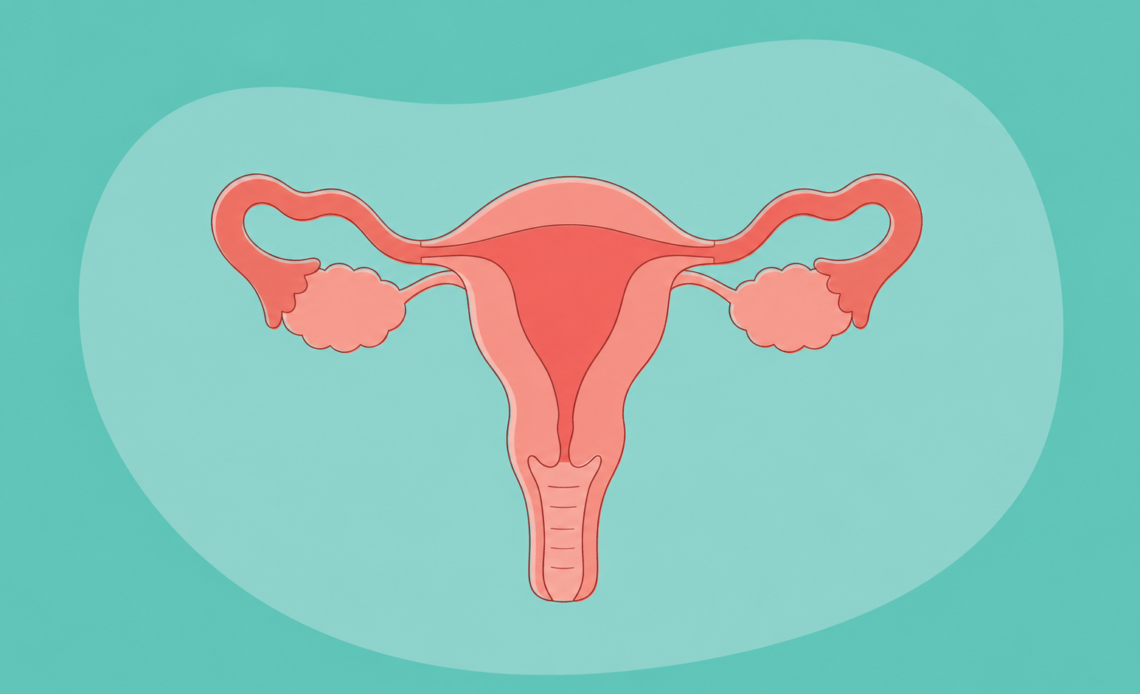
The cervix is the small opening at the bottom of the uterus, and it is normally quite narrow. So to reach inside the uterus, doctors slowly widen it a little using thin medical rods called dilatators.
2. The second is curettage, which means removing tissue from the uterus lining.
Doctors usually do this with a thin suction tube that gently removes the tissue, almost like a vacuum. Other times, they use a small instrument called a curette, which looks a bit like a tiny spoon, to carefully scrape away the uterine lining.
Blog continues after the ad.

The tissue that comes out can then be sent to a lab to understand what’s causing symptoms like abnormal or very heavy bleeding during perimenopause, or other perimenopausal changes (which you can find here).
In some cases, the removal itself is the treatment, like for miscarriage uterine cleaning or when the uterine lining has become too thick. It’s kind of like peeling the wallpaper from a wall to see what is underneath, or to simply remove the wallpaper because it is old and causing problems.
Do I Need a D&C During Perimenopause?
You do not automatically need a D&C during perimenopause. In fact, most women never have to get one. It is usually only recommended if your doctor wants to investigate your uterine health, which can take a hit during perimenopause.
During this phase, usually starting in your 40s, estrogen and progesterone levels begin fluctuating instead of following their usual monthly pattern. Since these hormones control your uterine lining and periods, your cycle can start changing too.
You might experience heavier bleeding, irregular periods, and longer cycles. Which is why so many women switch to more heavy-duty period care during perimenopause, like super-absorbent and leak-proof period panties.
But sometimes, the bleeding is TOO heavy, lasts TOO long, or looks TOO unusual so doctors want to check what’s happening inside more closely. That’s when you might need a D&C.
In short, a D&C during perimenopause is usually done to:
- Remove a very thick uterine lining causing heavy bleeding
- Check why bleeding has suddenly become abnormal
- Test the uterine lining for conditions like endometrial hyperplasia (a hormone disorder with abnormally thick uterine lining)
- Rule out more serious causes like endometrial cancer
- Remove growths like uterine polyps
How D&C Treats Heavy and Abnormal Uterine Bleeding?
A D&C for abnormal uterine bleeding or a D&C procedure for heavy bleeding mainly works by clearing out the thickened uterine lining that may be causing the bleeding to become excessive, prolonged, or unpredictable.
During perimenopause, hormone changes can sometimes make the uterine lining keep building up instead of shedding properly every month. This can lead to heavy periods during perimenopause or untimely bleeding.
A D&C does not permanently stop the lining from coming back. It resets and clears out the abnormal buildup that is causing the immediate problem right now.
And because hormones fluctuate differently after that, the lining may rebuild more normally for some time afterwards. Or doctors may use medication/hormone treatment after the D&C to prevent the abnormal buildup from happening again.
Is D&C Necessary For Abnormal Bleeding? How Would I Know If I Need a D&C?
No. A D&C isn’t always necessary for abnormal bleeding. And you usually cannot tell on your own whether you need a D&C or not. It is something your doctor decides based on your symptoms, scans, and test results.
What you can do, though, is pay attention to symptoms that may call for a D&C and bring them up with your doctor:
- Bleeding that soaks through a pad or tampon within an hour, on multiple consecutive hours (more on that here).
- Periods lasting longer than 7 days consistently.
- Bleeding between periods or after sex.
- Any bleeding that occurs after you have had 12 consecutive months with no period at all.
- Periods that have become significantly heavier than your previous normal over a short period of time.
- Pelvic pain or pressure that is new and does not go away.
Does a D&C During Perimenopause Hurt?
During the procedure, a D&C usually does not hurt because it is done under anaesthesia or sedation, so most people do not feel anything happening.
Afterwards, though, it’s very normal to have some cramping that feels similar to period cramps. For some people, it feels mild, for others a bit stronger, but it usually settles in 1-2 days and responds well to regular pain medicines.
Will I Get My Periods After a D&C?
Yes, most women do get their periods again after a D&C. But your next cycle may not arrive exactly when you expect it to.
That’s because a D&C removes the uterine lining, and your body might take 2-6 weeks to rebuild it. However, research shows that menstrual cycles return to normal after the D&C in a month or two.
What Does D&C Recovery During Perimenopause Look Like?
D&C recovery during perimenopause is usually pretty quick, and most people start feeling normal within a few days. Here’s what you can generally expect in the first week:
- Mild cramping and light bleeding for a few days is completely normal.
- Some spotting can continue for up to 1-2 weeks while the uterus heals.
- Doctors advise avoiding sex, tampons, and swimming for about 2 weeks.
- Most women return to work and everyday activities within 2-3 days.
- A follow-up appointment is usually done to discuss recovery or lab results.
And while you recover, comfort matters too. Since light bleeding and spotting after a D&C are very common, having soft, irritation-free liners around can honestly make those few healing days feel a lot easier.
Is a D&C Safe During Perimenopause?
Yes, for most women, a D&C during perimenopause is considered a very safe, routine procedure. The process itself is short, usually takes under 30 minutes, and most people go home the same day.
However, like any other medical procedure, there can be risks, although they are quite uncommon:
- Infection
- Heavy bleeding
- Injury to the cervix or uterus
- Scar tissue formation inside the uterus
But don’t worry. Your doctor will only recommend a D&C if they feel its benefits are worth it for your situation and outweigh the risks.
Sometimes Your Uterus Just Needs a Clean-up
Perimenopause already comes with enough hormonal chaos and mental confusion on its own. So hearing terms like Dilatation and Curettage on top of that can understandably make it feel way too overwhelming. But hopefully this blog made things feel a little less scary and a lot more understandable.
Because at the end of the day, a D&C is usually just a tool doctors use to better understand what’s happening inside the uterus or help manage bleeding that has become difficult to deal with. It is usually not a sign that something is wrong with your body.
And while your doctor handles the medical side of it all, Nua can keep you comfortable with period care during perimenopause that keeps you dry, supported, and irritation-free.
If you’ve still got questions about D&C during perimenopause, heavy bleeding, or recovery? Drop them in the comments, and we’ll help you out.
FAQs
1. What is a D&C procedure during perimenopause?
A D&C (Dilatation and Curettage) is a short procedure in which the cervix is gently opened and tissue from the uterine lining is removed to diagnose or treat abnormal bleeding.
2. Why might I need a D&C during perimenopause?
Your doctor may recommend a D&C if you have unusually heavy or prolonged bleeding, a thickened uterine lining, uterine polyps, or if further testing is needed to rule out conditions like endometrial hyperplasia or cancer.
3. Is a D&C painful?
No. A D&C is usually performed under anaesthesia or sedation, so you won’t feel pain during the procedure. Mild cramping and light bleeding afterward are common.
4. How long does it take to recover from a D&C?
Most women return to their normal activities within 2–3 days, although light spotting and mild cramps may continue for up to two weeks.
5. Will my periods return after a D&C?
Yes. In most cases, your menstrual cycle returns within 1–2 months, although the timing may vary as your uterine lining heals.
6. Is a D&C a safe procedure during perimenopause?
Yes. A D&C is generally considered a safe and commonly performed procedure, though, like any surgery, it carries small risks such as infection, bleeding, or injury to the uterus.
Disclaimer
The content of this article is provided for general informational and educational purposes only and is not intended to constitute medical advice, diagnosis, or treatment. The information shared is of a general nature and may not be appropriate for all individuals or specific circumstances. Readers should not disregard, delay, or substitute professional medical advice based on the information contained herein.
If you experience any symptoms, notice anything unusual, or have concerns relating to your health or overall wellbeing, you should consult a qualified healthcare professional. While every effort is made to ensure the information shared is accurate and up-to-date, Nua makes no representations or warranties, express or implied, regarding the accuracy, completeness, or suitability of the information provided and disclaims all liability arising from reliance on this content to the fullest extent permitted by law.