Wondering “why do period cramps vary across people?” here’s what we will cover in this guide:
- Cramps come from prostaglandins, and higher levels can cause stronger, more painful uterine contractions.
- Some people experience little or no pain because of lower prostaglandin levels, a healthy lifestyle, and a higher pain threshold.
- Others experience more painful cramps because of higher prostaglandin levels, genetics, early periods, smoking, and poor lifestyle habits.
- Sometimes, period pain has an underlying cause, such as endometriosis, adenomyosis, or fibroids, which can cause severe or unusual pain.
- Simple relief methods like heat, gentle movement, massage, warm liquids, and anti-inflammatory pain relievers can ease cramps.
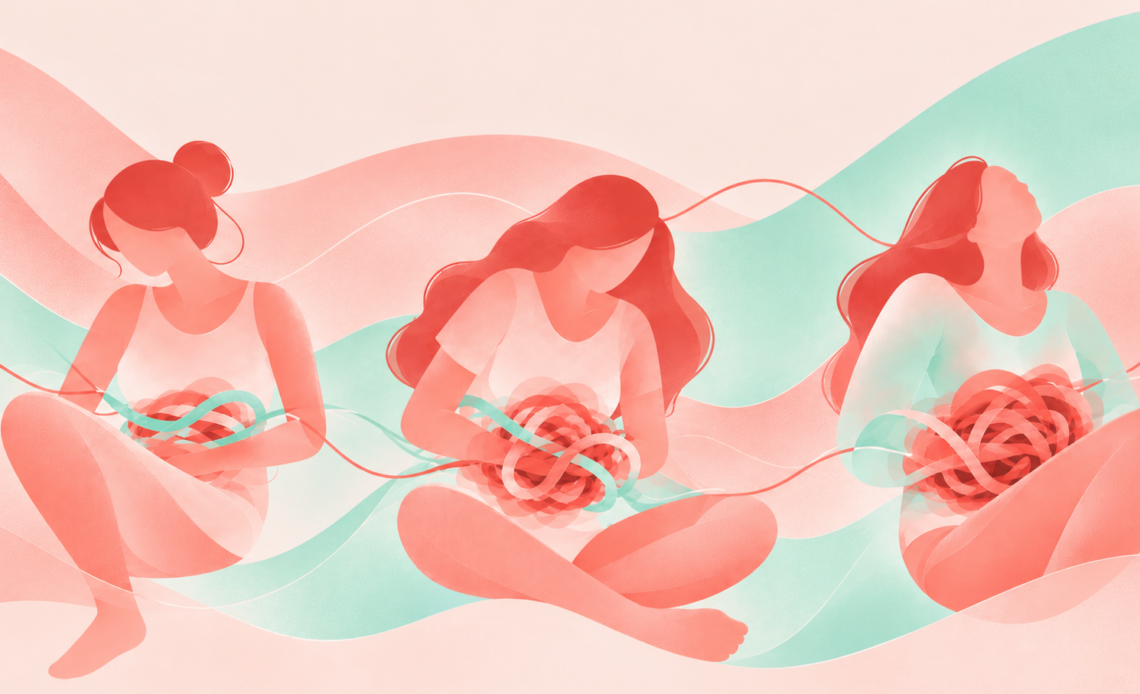
Some people sail through their period without a second thought. No pain relievers, no heating pad, barely a change in routine. Others spend the first two days curled up in bed, watching the clock between doses of painkillers, unable to focus on much else. If you’ve ever wondered why do period cramps vary so drastically from one person to the next, or even from one cycle to the next for the same person, you’re asking a question that comes down to simple science.
The answer lies in a combination of biology, genetics, and lifestyle, all working together behind the scenes. But before we get into why cramps differ so much, let’s break down what’s actually causing the pain in the first place.
What Causes Period Cramps?
Every month, your body prepares for a possible pregnancy. Hormones rise, and in response, the lining of your uterus (the endometrium) begins to thicken, building up with blood and nutrients in case an embryo needs to implant.
If pregnancy doesn’t happen, that lining is no longer needed, so the body sheds it. To do this, the uterus contracts, and that contraction is what causes menstrual cramps, which are that throbbing, tightening pain low in your abdomen.
These contractions are triggered by a chemical called prostaglandins. The higher the prostaglandin levels, the stronger the contractions and the more intense the period cramps. Learn more about prostaglandins and menstrual cramps in our guide here.
Not every woman experiences this the same way, though. Some have very mild cramps or none at all, while others deal with much more severe pain. This is called dysmenorrhea, and it can vary quite a bit, from mild to severe, depending on the person.
Why Do Some Women Have Mild or No Period Cramps?
It usually comes down to lower prostaglandin levels, combined with factors like lifestyle, hormonal birth control, and individual pain sensitivity. Here’s how each one plays a role.
1. Lower Prostaglandin Levels
Prostaglandin levels vary from woman to woman, and that difference plays a big role in whether cramps happen at all. Some women naturally produce lower or more balanced levels of this chemical during their period. Their uterus still has to shed its lining, but without excess prostaglandins forcing it to contract too hard.
2. Healthy Lifestyle
Women with a healthy lifestyle tend to have less painful periods. Regular exercise, even low-impact activity like walking or gentle yoga, improves blood flow and triggers the release of endorphins, the body’s natural pain relievers, which can reduce cramp intensity. An anti-inflammatory diet has also been linked to milder period symptoms. Managing stress matters too, since research shows that high stress and elevated cortisol are associated with worse menstrual pain.
3. Women Using Hormonal Birth Control
Hormonal birth control reduces period pain by lowering prostaglandin levels. Lower prostaglandin levels mean the uterus contracts less often and less severely. Hormonal birth control also makes the uterine lining thinner, resulting in a lighter flow.
4. Pain Threshold
Every woman’s nervous system processes pain signals a little differently. Some naturally have a higher pain threshold, meaning the same uterine contractions that feel intense for one woman may barely register for another. This comes down to differences in how the body and brain process pain signals, not willpower or toughness. It’s simply a natural variation between individuals.
But what about the other side of the story? If some women don’t have period cramps, why do others experience them so intensely every month? Several factors can make menstrual pain more intense.
Why Do Some Women Have More Severe Period Cramps?
1. Higher Prostaglandin Levels
Some women’s bodies produce prostaglandins in excess. This causes the uterus to contract far more forcefully, temporarily narrowing blood vessels and cutting off oxygen to the muscle tissue, which is what triggers sharp, severe cramping. When prostaglandin levels spill beyond the uterus into the bloodstream, they can also cause nausea, dizziness, and diarrhea, which is why period pain sometimes comes with these extra symptoms.
2. Genetics
Family history can play a role in painful periods too. Women whose mother or sister has dysmenorrhea are more likely to experience it themselves, suggesting that genetics and period pain may be connected and contribute to the risk. Twin studies estimate that genetic factors may account for around 57–67% of the variation in menstrual pain intensity, although shared environment and other factors also play a role. Genetics isn’t something you can change, but it may help explain why painful periods can run in some families.
3. Starting Your Period at a Young Age
Girls who begin menstruating early, around age 11 or younger, tend to have more painful periods, especially in the first few years. This is partly due to early exposure to hormonal shifts triggering higher prostaglandin release, and partly because cycles are often irregular in the early years, leading to unpredictable hormone surges. The good news is that this usually eases as the body adjusts with age.
Still, it’s worth taking period cramps seriously even when they feel like a normal part of growing up — pain that’s brushed off now can develop into chronic pain later. Learn more about it in our blog here.
4. Smoking
Smoking is linked to a higher risk of menstrual cramping. Research shows smokers are about 1.45 times more likely to develop dysmenorrhea than non-smokers, along with more severe PMS symptoms. Nicotine and other chemicals in cigarettes reduce blood flow to the uterus and interfere with the body’s normal pain-processing chemicals, making menstrual cramps hit harder.
5. Poor Lifestyle Habits
Diets high in processed food, sugar, and saturated fat can raise inflammation and increase prostaglandin production. Poor sleep can heighten the body’s sensitivity to pain and add to inflammation. Chronic stress disrupts hormone balance in ways that can intensify period pain.
6. Underlying Health Conditions
Sometimes cramps are a symptom of something more than typical menstruation. A few underlying conditions are worth knowing about, since each affects the body a little differently:
- Endometriosis: Tissue similar to the uterine lining grows outside the uterus, causing swelling, scarring, and pain.
- Adenomyosis: When the uterine lining grows into the muscular wall of the uterus, often leading to an enlarged uterus, heavier bleeding, and pain.
- Uterine fibroids: Noncancerous growths in or on the uterus that can worsen cramping and bleeding.
Ways to Manage Period Cramps
Heat, gentle movement, and anti-inflammatory pain relievers are the most effective ways to ease period cramps, since they work directly on the two things driving the pain — uterine muscle tension and prostaglandin levels.Let’s dig into what each of these actually does.
- Heat: Heat relaxes the uterine muscles and improves blood flow to the lower abdomen, which reduces the intensity of contractions, often working almost as well as pain medication. Nua’s Cramp Comfort Heat Patch are air-activated and self-heating, designed to provide up to 8 hours of discreet, natural pain relief for period cramps.
- Warm Liquids: Sipping warm water, herbal tea, or soup has a similar soothing effect. The warmth helps relax tense muscles and eases the tightness that comes with cramping.
- Gentle Movement: A short walk, light stretching, or gentle yoga can help by improving blood flow and triggering the release of endorphins, the body’s natural pain relievers. Not sure which yoga poses to try? Learn more in our guide here.
- Abdominal Massage: Gently massaging the lower belly in circular motions can relax tense uterine muscles and take the edge off cramping. Adding a warming oil, if you have one, can enhance the effect.
- Over-the-Counter Medicine: Ibuprofen and naproxen work especially well for period cramps since they directly reduce prostaglandin production, targeting the root cause rather than just masking the pain. Taking them at the first sign of your period, rather than waiting for pain to peak, tends to work best.
When to See a Doctor for Period Cramps
Not all cramps need medical attention, but a few warning signs do. Pain that disrupts your routine, doesn’t ease with usual remedies, keeps getting worse, comes with cycle changes, or shows up alongside other symptoms like fainting or heavy bleeding is worth bringing up with a doctor.
- Disruptive Pain: If cramps are severe enough to interfere with school, work, or daily activities month after month, that’s worth having checked out. Period pain shouldn’t regularly keep you from functioning normally.
- Ineffective Relief: If heat, rest, or standard over-the-counter medicine isn’t making a noticeable difference, it could be a sign that something more than typical cramping is going on.
- Worsening Symptoms: Cramps that have gradually become more intense or frequent over time rather than staying consistent are worth mentioning to a doctor, especially if the change feels sudden or significant.
- Cycle Changes: New or unusual shifts in your cycle length, bleeding heaviness, or regularity alongside the pain can sometimes point to an underlying condition and shouldn’t be ignored.
- Associated Symptoms: Nausea, vomiting, fainting, pain during sex, or pain outside of your period can sometimes signal conditions like endometriosis, adenomyosis, or fibroids and are worth discussing with a doctor.
The Final Takeaway
At the end of the day, period cramps vary so much because so many things feed into them at once, like prostaglandin levels, genetics, age, lifestyle, and even how your own nervous system reads pain. There’s no single reason your cramps look different from your friend’s, and that’s completely normal.
What matters more than understanding every cause is having something that actually helps when the pain hits, like Nua’s Cramp Comfort Heat Patch. And if the pain ever crosses the line from “normal cramps” into something that disrupts your daily life, that’s a conversation worth having with a doctor.
FAQs
1. Why do some people get period cramps while others don’t?
Period cramps vary because of differences in prostaglandin levels, lifestyle, hormonal birth control, and individual pain sensitivity. People with lower prostaglandin levels may experience milder cramps or no pain at all.
2. What causes severe period cramps?
Higher prostaglandin levels can trigger stronger uterine contractions, causing more intense cramps. Genetics, smoking, early menstruation, lifestyle habits, and underlying conditions can also contribute to severe period pain.
3. Are painful periods genetic?
Yes, genetics can influence menstrual pain. People whose mothers or sisters experience dysmenorrhea may be more likely to have painful periods themselves, although other factors also play a role.
4. Can lifestyle habits affect period cramps?
Yes, regular exercise, an anti-inflammatory diet, adequate sleep, and stress management may help reduce period pain. Smoking and diets high in processed foods, sugar, and saturated fats may make cramps worse.
5. Can severe period cramps be a sign of an underlying condition?
Yes. Conditions such as endometriosis, adenomyosis, and uterine fibroids can cause severe or unusual menstrual pain. If cramps disrupt daily activities, worsen over time, or don’t respond to usual remedies, consult a doctor.
6. What are the best ways to relieve period cramps?
Applying heat, drinking warm liquids, gentle movement, abdominal massage, and anti-inflammatory pain relievers like ibuprofen or naproxen can help ease period cramps.
Disclaimer
The content of this article is provided for general informational and educational purposes only and is not intended to constitute medical advice, diagnosis, or treatment. The information shared is of a general nature and may not be appropriate for all individuals or specific circumstances. Readers should not disregard, delay, or substitute professional medical advice based on the information contained herein.
If you experience any symptoms, notice anything unusual, or have concerns relating to your health or overall wellbeing, you should consult a qualified healthcare professional. While every effort is made to ensure the information shared is accurate and up-to-date, Nua makes no representations or warranties, express or implied, regarding the accuracy, completeness, or suitability of the information provided and disclaims all liability arising from reliance on this content to the fullest extent permitted by law.