What you will learn about nausea during period cramps in this blog:
- Nausea during period cramps is normal and happens because prostaglandins, the chemicals that cause period cramps, also irritate your gut.
- It usually peaks on Day 1 and Day 2 and eases on its own by Day 3 as prostaglandin levels drop.
- Ginger tea, peppermint tea, fennel, and heat patches are all effective home remedies to deal with nausea during periods.
- If nausea is worsening each cycle, it can be a sign of underlying issues like endometriosis.
- You should definitely see a doctor if nausea during periods comes with fever, very heavy bleeding or pain outside the period window.
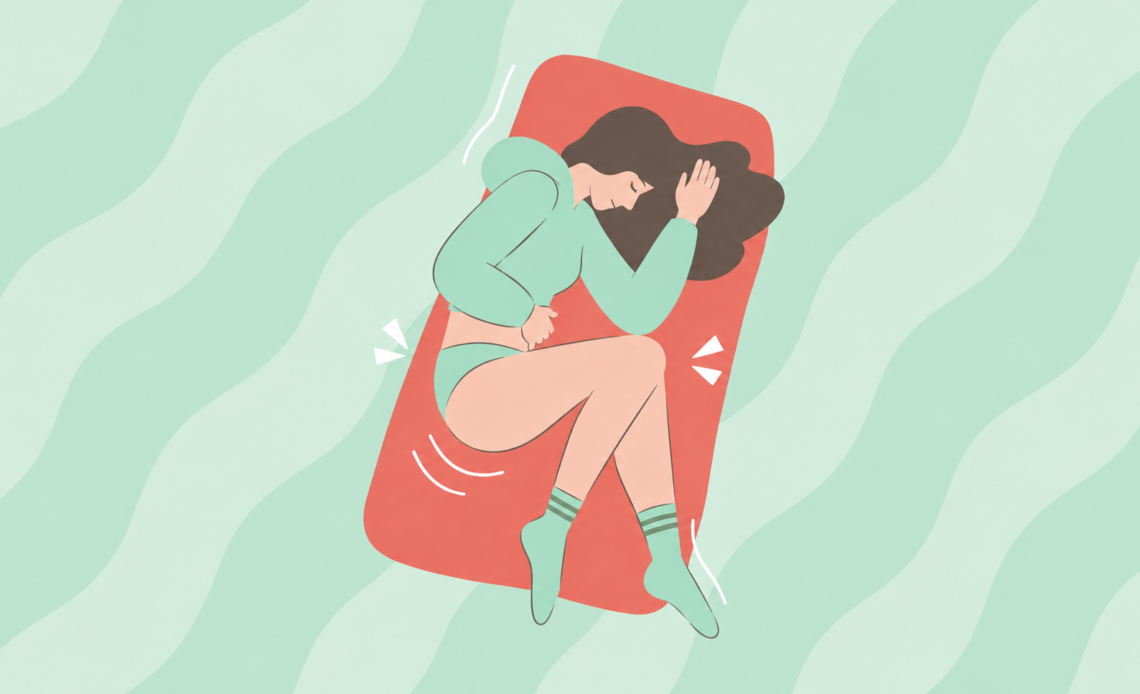
Cramps, you expected. After all, they’re a pretty famous, heavily talked about ‘side effect’ of menstruation. But nausea during periods? That isn’t something you hear about as much (or at all). So, if you’re experiencing it and starting to worry…don’t. Nausea during period cramps is actually very common and often nothing serious.
Research shows that more than 1 in 10 women experience nausea during periods. And it’s mostly caused by the same hormone-like chemicals, known as prostaglandins, that cause uterine contractions and cramps.
How?
We’ll go into the details in this blog, look at exactly why do period cramps cause nausea, how you can treat them at home and when to see a doctor.
Is It Normal To Feel Nauseous During Period?
Yes, it is completely normal to experience nausea during period, and here’s why:
Every month, as your uterine lining gets ready to shed, your body produces hormone-like chemicals called prostaglandins. Their job is to make the uterus contract (hence, the cramps) and push the lining out. Good, necessary, entirely important. Read more about prostaglandins here.
Blog continues after the ad.

The problem is that prostaglandins do not stay neatly inside the uterus. They spill into the bloodstream. Once they are circulating, they find their way to your digestive tract and overstimulate it. Your gut muscles start contracting the way your uterus is (ouch). The result is nausea, usually on Day 1 and Day 2 when prostaglandin levels are at their absolute peak.
In short, more prostaglandins = more contractions in unexpected places = more nausea.
This is why some people breeze through their period, and some people are flat on the floor, holding their abdomen in pain. It’s all about who got dealt how many prostaglandins by Mother Nature.
Why Do I Feel Nauseous On My Period With Vomiting, Diarrhea and Headache?
Nausea during periods often comes with a lot of other symptoms because the same prostaglandin that makes you feel nauseous also causes:
- Diarrhea: Prostaglandins make your intestines contract a lot more than usual, which speeds up how quickly things move through the digestive tract and…out of it, leading to uncontrolled, loose stools.
- Headaches: Prostaglandins can affect blood vessels in the head, too, causing them to constrict and dilate in ways that trigger pain.
- Vomiting: Prostaglandins don’t just affect your uterus and gut, they can also signal your brain’s vomiting centre, leaving you feeling queasy or like you might throw up.
- Dizziness: When you are already dealing with nausea, diarrhea, cramps and headaches, food is often out of the picture. This affects your energy levels, making you fatigued and dizzy.
In fact, research has found that due to period symptoms like these, 38% of all women are not able to perform all their daily activities. But none of this means something is wrong with them specifically. It just means they produce more prostaglandins than people who might float through their period a lil more easily and a lil less painfully.
However, there’s something that can help you feel better. Meet Nua’s Cramp Relief Roll-On, which combines 100% natural ingredients such as satva pudina, eucalyptus oil, and laung oil, giving you a soothing sensation and timely cramp relief.
How To Relieve Nausea During Periods?
Nausea during periods is easily manageable with a mix of simple home remedies and, if needed, medicines like ibuprofen (with a doctor’s advice). Here are the most tried, tested and trusted remedies for period cramps and nausea:
Ginger tea
Ginger reduces prostaglandin production right at the source, so you are dealing with less of the chemical causing the period cramps and nausea in the first place. Brew it strong, start on Day 1 before things escalate, and aim for 2-3 cups per day.
Peppermint tea
Peppermint relaxes the muscles in your gut and uterus, which is exactly what you want when both are over-contracting. Steep it for 7–10 minutes, sip slowly and enjoy the full benefits.
Chamomile tea
Chamomile helps calm stress, which is known to make the prostaglandin activity worse. It is especially helpful at night since it promotes deep sleep and helps you rest through the more uncomfortable days.
Heat patches
When you apply heat to your lower abdomen, it relaxes your gut muscles and helps them move more smoothly, settling down your nausea. In fact, research has found that continuous low-level heat therapy is as effective as medicines for treating dysmenorrhea, the most common cause of nausea during periods.
And we get it, you cannot carry a hot water bag everywhere. That is why Nua’s Cramp Relief Heat Patches are super handy, just peel, stick on the underwear, and relax. They are made with 100% natural ingredients and are air-activated, which means no electricity is needed.
More about what makes heat effective for period cramps here.
Small, warm meals
Both an empty stomach and an overly full one can make nausea during periods worse. So, stick to small, warm, easy-to-digest things, like khichdi, idli, or dal, and avoid oily or very spicy food until the nausea settles.
Magnesium-rich food
Magnesium helps relax muscles and reduce prostaglandin activity, which can ease cramps and nausea over time. Bananas, dark chocolate, almonds, and leafy greens are easy ways to get more in, and over a few cycles, you may notice a difference.
What Else Causes Period Nausea?
Most period nausea is due to prostaglandin activity during your period. But sometimes nausea during your period can have causes that point to an underlying disorder.
Endometriosis
Endometriosis is when tissue similar to the uterine lining grows outside the uterus, often on the ovaries, fallopian tubes, or intestines. When it grows near the bowel specifically, it directly irritates the gut and causes nausea.
The signs that point toward nausea from endometriosis include excess vomiting every cycle, pain before and after your period, and pain during sex or bowel movements.
Premenstrual Dysphoric Disorder
Premenstrual Dysphoric Disorder, or PMDD, is a severe hormonal condition that causes intense emotional symptoms (rage, depression, despair), nausea and physical pain. PMDD-related nausea arrives in the week before your period, often bundled with mood changes, irritability, or anxiety.
Pelvic Inflammatory Disease
Pelvic Inflammatory Disease (PID) is an infection of the reproductive organs, usually caused by sexually transmitted bacteria like chlamydia or gonorrhoea. It can cause nausea during and outside of your period window with lower abdominal pain, fever, unusual vaginal discharge, and pain during sex or urination.
If you want to understand your cycle better and track whether your symptoms, like nausea, are normal or worsening over time, Nua’s Period Tracker is a useful starting point.
When To See A Doctor For Nausea During Period?
Period nausea that is mild to moderate, arrives on Days 1 and 2, and responds to heat and ibuprofen is normal. It does not need medical attention.
You should see a doctor if nausea is severe enough that:
- You are vomiting a lot
- You cannot stop drinking fluids
- It lasts beyond Day 2 or 3 of your period consistently
- It is getting worse with each cycle rather than staying at the same level
- It comes with very heavy bleeding, fever or pain outside your period window
To learn more about what a normal period cycle is and when you might need to see a doctor, read our blog here.
Period Nausea Is Real, And You’re Normal
If you experience nausea during periods, you are definitely not alone. It is a real, biological response to the same chemicals causing your cramps, just showing up in your gut instead of only your uterus.
The good part is that once you understand what is happening, it becomes a lot easier to handle. Small things like heat, the right teas, lighter meals, and a bit of consistency with an overall healthy routine can genuinely make a difference. It may not disappear overnight, but it does get more predictable, more manageable, and a lot less stressful once you know what works for your body.
That said, watch out for signs that may signal a deeper underlying cause.
Have more questions about managing period symptoms? Drop them in the comments, and we will help you out.
FAQs
1. Is it normal to feel nauseous during your period?
Yes. Nausea during your period is common and is usually caused by prostaglandins, the same hormone-like chemicals responsible for menstrual cramps.
2. Why do period cramps make you feel nauseous?
Prostaglandins can enter the bloodstream and affect your digestive system, causing nausea, diarrhea, vomiting, and other digestive symptoms alongside cramps.
3. How long does nausea during your period usually last?
For most people, nausea is worst on Days 1 and 2 of the menstrual cycle and improves by Day 3 as prostaglandin levels decrease.
4. What are the best home remedies for period nausea?
Ginger tea, peppermint tea, heat therapy, small frequent meals, and magnesium-rich foods can help ease nausea and period cramps naturally.
5. Can nausea during your period be a sign of an underlying condition?
Yes. If nausea is severe, worsens with every cycle, or is accompanied by symptoms like heavy bleeding, fever, or pain outside your period, it could indicate conditions such as endometriosis or pelvic inflammatory disease.
6. When should I see a doctor for nausea during my period?
Consult a doctor if you have persistent vomiting, cannot keep fluids down, nausea lasting beyond 2–3 days, or severe symptoms that interfere with your daily life.
Disclaimer
The content of this article is provided for general informational and educational purposes only and is not intended to constitute medical advice, diagnosis, or treatment. The information shared is of a general nature and may not be appropriate for all individuals or specific circumstances. Readers should not disregard, delay, or substitute professional medical advice based on the information contained herein.
If you experience any symptoms, notice anything unusual, or have concerns relating to your health or overall wellbeing, you should consult a qualified healthcare professional. While every effort is made to ensure the information shared is accurate and up-to-date, Nua makes no representations or warranties, express or implied, regarding the accuracy, completeness, or suitability of the information provided and disclaims all liability arising from reliance on this content to the fullest extent permitted by law.