Wondering why you get more blackheads on your nose? Here’s what you will learn int his blog:
- Blackheads are a type of non-inflamed acne called open comedones and form when sebum and dead skin cells clog pores and oxidise in the air. .
- Your nose has more sebaceous (oil) glands per sq cm than your cheeks, which is why you’re more likely to have blackheads on your nose.
- Oily skin, hormonal fluctuations, poor exfoliation habits, humidity, and certain skincare ingredients all cause clogged pores on the nose.
- Blackhead removal works best with a combination of gentle cleansing, regular exfoliation (2-3x a week), and a targeted nose strip that physically lifts out the plug.
- A good nose strip should adhere firmly to the skin, draw out the sebum plug completely, and leave the skin barrier intact without irritating it.
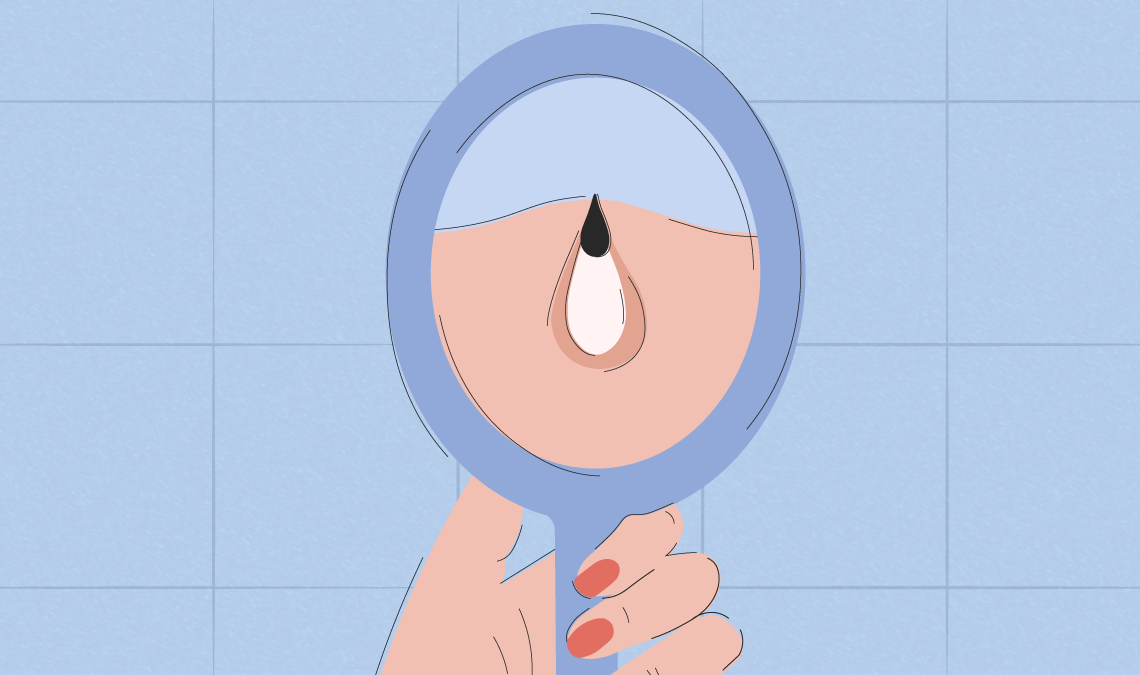
If you’ve ever looked closely in a bathroom mirror (we all have), and spotted blackheads on your nose, you know they are the easiest to spot and somehow, the hardest to ignore. They’re little dark dots that leave your nose with a slightly rough texture when you run your fingers over them… and yes, they incite the constant temptation to squeeze.
But why is it always the nose? Why not your cheeks, or your forehead, or literally anywhere else?
Why Do Blackheads Form Mostly on the Nose?
You nose has the highest density of oil glands on your face (around 400-900 per sq cm, compared to just 100-250 on your cheeks), which means a lot more sebum is being produced in a very small area. On top of that, the pores on your nose are naturally wider, so they collect more dead skin and oil before clogging up. And since the nose sits right in the centre of your T-zone (the oiliest part of your face), all of this oil and buildup has the perfect environment to oxidise and turn into blackheads.
So it’s not random and it’s not bad skincare. It has everything to do with your nose’s biology.
And once you understand that, you’ll also understand why some things actually work for blackheads on your nose and why some popular advice makes them worse.
Let’s start from the beginning.
What Are Blackheads?
Blackheads are basically clogged pores.
Inside each pore, your skin naturally produces oil (called sebum) and sheds dead skin cells. But when the sebum and the dead skin cells mix together and get stuck inside the pore, they form a small plug.
Blog continues after the ad.

When this plug is exposed to air, it oxidises (reacts with oxygen) and turns dark. That’s why blackheads look like tiny black or grey dots on your skin.
For a deeper understanding of what blackheads are, read our piece on all you need to know about blackheads here.
Why Do I Get Blackheads On My Nose?
Here’s why:
- More sebaceous glands: Your nose has a much higher density of sebaceous (oil-producing) glands than your cheeks or jaw. Research has found that the centre of your face (where your nose is) has around 400-900 oil glands per sq cm compared to just 100-250 on the cheeks. Now do the math. More oil glands = more sebum = more clogged pores.
- Larger pores: Pores on the nose tend to be naturally wider than elsewhere, partly because the oil glands underneath them are bigger. Larger pores collect more dead skin and sebum, leading to more blackheads.
- T-zone effect: The nose sits right in the centre of your T-zone, which runs across the forehead and down the nose and chin. This entire zone is oilier than the sides of the face because of how oil glands are distributed biologically. Hence, easier blackhead formation.
Together, these three factors mean your nose is producing more oil, storing more of it in wider pores, and allowing that oil to oxidise into visible blackheads more quickly than anywhere else.
Apart from the nose, the forehead and chin are also hotspots for blackheads.
| Zone | Contributing Factors | What that means for blackheads |
| Nose | Highest oil gland density + larger pores | Most visible and concentrated blackheads that tend to show up consistently |
| Forehead | High oil production + sweat + hair products (like oils, serums) | Blackheads are common but can vary depending on products and sweat buildup |
| Chin | Hormone-sensitive area | Blackheads and breakouts can come and go, often worse around periods with hormonal fluctuations |
| Cheeks / Jaw | Lower oil production + friction (from pillows) + skincare products | Fewer blackheads overall, but they can appear occasionally with comedogenic products |
If you want to get rid of even the most stubborn blackheads, Nua’s Nose Strips deliver visible results in just 10 minutes.
What Are The Causes Of Blackheads On Your Nose?
Clogged pores on the nose or blackheads don’t appear for just one reason. Here are all the causes of blackheads on your nose.
- Oily Skin: When your oil glands produce more sebum than your skin can shed naturally, the excess collects in pores, forming blackheads.
- Hormonal changes: Androgens (hormones that spike during puberty, menstruation, and periods of stress) signal your sebaceous glands to produce more oil. This is why many people notice more blackheads in the days leading up to their period.
- Humidity and sweating: Hot, humid conditions cause more sweat, which mixes with sebum on the skin’s surface and pushes debris into pores. If you live somewhere warm (or spend time in the gym), your nose will feel this first.
- Comedogenic ingredients in skincare: Some products, like heavy moisturisers, certain oils, makeup with silicones or heavy emollients, can block pores (comedogenic). Always look for non-comedogenic ingredients (like these), especially for anything you use on your nose.
- Diet: High-glycaemic foods (refined sugar, white bread, processed snacks) and dairy have been linked to increased sebum production in some people. It’s not the same for everyone, but if your diet is heavy in these, it could be a contributing factor.
- Not cleansing properly: Skipping a proper cleansing routine (especially after wearing SPF or makeup) leaves residue on the skin that mixes with sebum and clogs pores overnight.
How To Remove Blackheads From the Nose?
Blackhead removal works best through a consistent routine combining chemical exfoliation, physical tools like nose strips, and pore-clearing cleansers. Remember, squeezing and vigorous scrubbing are a big no-no.
- Chemical exfoliation: Ingredients like salicylic acid work inside the pore, dissolving the bond between dead skin cells and cutting through sebum. It’s one of the most effective ingredients for clogged pores on the nose. Use it in a cleanser or serum, 2-3x a week.
- Nose strips: A well-formulated nose strip physically adheres to the sebum plug and pulls it completely. It gives you immediate and visible results, making it one of the best products for nose blackheads.
- Double cleansing: Always start with an oil-based cleanser (to break down SPF and makeup), and follow it up with a water-based cleanser. This ensures nothing is left on the skin overnight to settle into pores.
Note: Never ever squeeze your blackheads out. Squeezing blackheads can push the clog deeper, damage the pore wall, introduce bacteria, and cause scarring. It provides short-term satisfaction and long-term regret.
What’s the Best Skincare Routine for Blackheads on Your Nose?
As per studies, a consistent facial skincare routine for blackheads (or any acne) should include steps to cleanse, medicate, moisturize, and protect. This includes a gentle cleanser, a chemical exfoliant, a non-comedogenic moisturiser, and SPF. Plus, a nose strip once or twice a week for targeted removal.
Morning Routine
- Gentle, non-stripping face wash (look for salicylic acid or niacinamide if you’re oily).
- Once-weekly nose strip (after cleansing) to remove built-up blackheads and clean out the pores.
- Lightweight, non-comedogenic moisturiser.
- Sunscreen with SPF 50 or higher (non-comedogenic formula). Never skip this. UV exposure worsens sebum production.
Evening Routine
- Oil cleanser or micellar water to remove SPF and any makeup.
- Water-based cleanser to clear the skin properly.
- Gentle exfoliant (salicylic acid serum or toner) 2-3x a week.
- Nose strip once a week (after cleansing, and skip exfoliation) to physically pull out blackheads.
- Niacinamide serum on non-exfoliant nights (regulates sebum, tightens pores).
- Lightweight, non-comedogenic moisturiser.
Always look for nose strips that are safe for regular use and protect the skin barrier.
What Does a Good Nose Strip Actually Do? (And What Should It Have?)
A good nose strip adheres to the skin surface, bonds with the sebum plug inside the pore, and physically lifts it out in one clean pull. All without damaging the skin barrier. When used correctly, it is genuinely one of the most effective tools for blackhead removal on the nose.
| What to look for | Why it matters |
| Strong, clean adhesion | Helps the strip grip properly and pull out blackheads in one go |
| Gentle on the skin barrier | Removes buildup without over-stripping natural oils |
| Soothing ingredients | Calms skin after use and reduces redness or inflammation |
| Absorbs excess oil | Helps clear out pores and keep them cleaner for longer |
| Safe, skin-friendly formula | Paraben-free, sulphate-free, dermatologically tested |
| What to avoid | Why it matters |
| Harsh preservatives or fragrances | Can irritate skin, especially right after removal |
| Alcohol-heavy formulas | Can dry out and damage your skin barrier |
| Poor fit or small size | Misses key areas on the nose, making it less effective |
Nua’s Nose Strips are designed with a Pure Matcha formula that draws out blackheads, Witch Hazel to remove excess sebum, and Aloe vera for soothing any inflammation, leaving your skin fresh and clear.
So, What’s Really Behind the Blackheads On Your Nose?
There’s a clear biological reason your nose is blackhead central. It has more oil glands, larger pores, and a location right in the heart of the T-zone (the oiliest zone). Add hormonal fluctuations, humidity, and the general chaos of daily life, and blackheads start working overtime.
The good news is that once you understand the cause, the solution becomes a lot simpler. It’s not about scrubbing harder or doing more. It’s about being consistent with a skincare routine for blackheads. This includes a good cleanser, regular exfoliation, a nose strip when you need effective results, and a non-comedogenic moisturizer.
Got more questions about blackheads on your nose or something you’re not sure about? Drop them in the comments, and we’ll get back to you.
Frequently Asked Questions
Are blackheads caused by dirt?
No, blackheads aren’t dirt stuck in your pores. They’re a mix of sebum and dead skin cells that turn dark when exposed to air and oxidise.
Can blackheads go away naturally?
Some small blackheads can clear on their own as your skin sheds, but most stay put until you actively remove them. A consistent routine with exfoliation and nose strips works much faster than waiting it out.
Do nose strips permanently remove blackheads?
No, nose strips pull out the existing sebum plug, but your oil glands keep producing sebum, so new blackheads will form over time. Regular use plus a good skincare routine is what keeps them under control.
How often should nose strips be used?
Once or twice a week is the sweet spot. Using them more often can irritate your skin barrier without giving better results.
Disclaimer:
The content of this article is provided for general informational and educational purposes only and is not intended to constitute medical advice, diagnosis, or treatment. The information shared is of a general nature and may not be appropriate for all individuals or specific circumstances. Readers should not disregard, delay, or substitute professional medical advice based on the information contained herein.
If you experience any symptoms, notice anything unusual, or have concerns relating to your health or overall wellbeing, you should consult a qualified healthcare professional. While every effort is made to ensure the information shared is accurate and up-to-date, Nua makes no representations or warranties, express or implied, regarding the accuracy, completeness, or suitability of the information provided and disclaims all liability arising from reliance on this content to the fullest extent permitted by law.