

We grow up learning so many random things—how to solve quadratic equations, what the mitochondria does, how to write a letter to the principal. But somehow, the one thing half the world’s population deals with every month still gets whispered about like it’s top-secret. Menstruation is natural, yes, but normalizing it isn’t enough, we need to learn how to support our bodies through it, to understand the actual importance of menstrual hygiene, and to treat our cycle with the respect it deserves.
Because the truth is, your period is not just a “few days.” Your hormones are shifting, your vaginal pH changes, your immune response shifts slightly, and your body works overtime. And when our bodies are this dynamic, the care we give should be too.
This isn’t about being “clean” in a shameful way. It’s about being comfortable, healthy, and in tune with your body.
So here are a few things to keep in mind about the importance of menstrual hygiene.
Your Vagina Is Smart, But It Needs Support During Your Period
Your vagina is self-cleaning, like, genuinely one of the most elite features of the human body (read more about that here). On a regular day, its pH stays slightly acidic—think 3.8 to 4.5-ish—which keeps the good bacteria happy and the harmful bacteria in check, according to research. But during your period, things shift. Menstrual blood is more alkaline than your vaginal environment. So, while your vagina tries to regulate itself, the pH naturally rises a bit.
This shift doesn’t mean something is wrong, it just means your vagina is in a temporary vulnerable state. And bacteria love an opportunity. This is why some women get yeast infections, experience odour changes, or feel irritation more easily during their period.
So the importance of menstrual hygiene isn’t a moral thing. It’s a science thing.
Small Daily Choices That Make a Big Difference
This isn’t about doing the most. This is about simple, thoughtful, supportive habits.
Clean the Area, But Keep It Gentle
You don’t need harsh soaps, scrubs, or anything that promises to “make you smell fresh” (your vagina is not a bouquet). In fact, fragranced washes and strong cleansers can disrupt the natural bacteria that protect you.
A good rule, clean the vulva, not the vagina. Your vagina cleans itself. Your vulva (the skin outside), which has sweat glands and comes in direct contact with clothing, sometimes needs a little help.
Use lukewarm water, and if you prefer a product, choose something pH-balanced and gentle. Something made specifically for the vulva, not your entire shower shelf. If you want something made exactly for this purpose, Nua’s Intimate Wash is is great. It supports, not strips.

Change Your Period Products Regularly
Even the best pads and tampons need to be changed regularly because bacteria can build up over time.
Here are the timelines to remember:
Pads: every 4–6 hours
Tampons: every 4–8 hours (never exceed 8, seriously!)
Menstrual cups: empty every 8–12 hours depending on flow
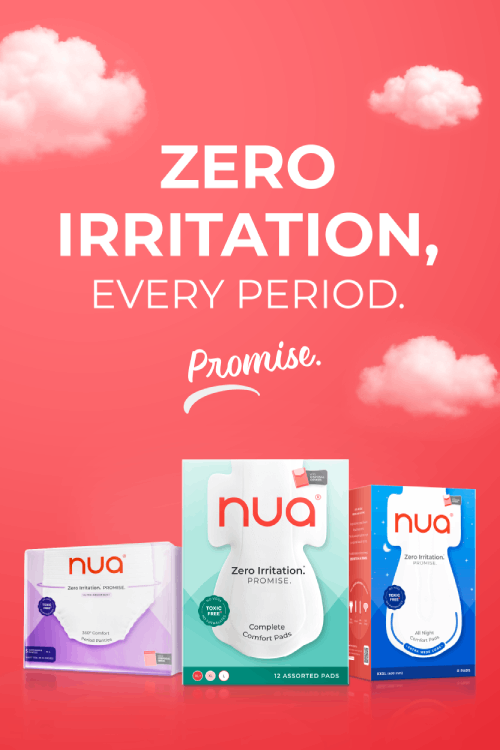
If you’re using pads, choose something breathable and non-irritating. For example, Nua’s Complete Comfort Pads minimise skin irritation and rashes because they are 100% toxic-free and chemical-free, unlike other pads in the market. They are also dermatologically tested and Made Safe certified for further safety. They’re kind to the skin, and the softness feels like someone finally remembered comfort matters.

3. Choose Clothing Your Body Can Breathe In
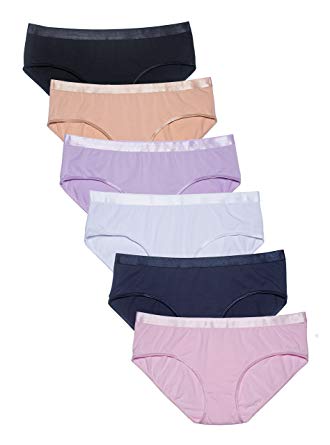
Here’s something many of us learn the hard way, tight synthetic underwear and leggings can trap moisture close to the skin. When there’s constant warmth and dampness, it creates the perfect setting for bacteria and yeast to thrive. That’s when irritation, itching, chafing, and even recurring infections start to show up.
Breathable fabrics like cotton help absorb excess moisture and allow airflow, keeping the environment around your vulva cooler and more balanced. The goal isn’t to look a certain way, it’s to support your body.
So cotton underwear isn’t “boring,” it’s intentional. And loose, airy clothing isn’t “lazy,” it’s protective comfort. Let your body breathe.
Wipe Front to Back
Simple, but incredibly important. When you wipe from front to back, you’re making sure bacteria from the anal area stays far away from the urethra and vagina, both of which are more sensitive and more prone to infection.
Because the urethra is very short in women, bacteria can travel quickly and cause uncomfortable issues like UTIs (more ways to prevent them here). And when harmful bacteria reach the vaginal area, they can disrupt the natural pH balance and lead to itching, irritation, or infections. So this one small direction shift isn’t about being “proper,” it’s about giving your body the best chance to stay balanced and healthy. Unlearning and relearning this tiny habit can prevent so many avoidable infections.
Disposal Matters, For You and the People Around You
Used pads and tampons can carry bacteria once they’ve absorbed menstrual blood, so how you dispose of them matters for your health. Leaving them open or exposed allows bacteria to multiply and can cause unpleasant odour, which can spread to your surroundings. Instead, wrap your used pad well to contain any moisture and limit contact with air. Nua pads come with a disposal cover for each pad, which makes this super convenient and hygienic. Once wrapped, place it in a closed bin to prevent bacteria from spreading and to keep your environment clean and fresh.
When You’re Out and About, Hygiene Becomes Strategy
We’ve all been there—public bathrooms, long commutes, days where your bag feels too small to carry anything.
This is where intimate wipes can be lifesavers. Not to replace washing, but to freshen up gently and safely when you don’t have water access.
Look for wipes that:
Are alcohol-free
Are fragrance-free or extremely mild
Support pH balance rather than disrupt it
These intimate wipes from Nua are super travel-friendly.
Think of them as your “I deserve to feel fresh wherever I am” tool.
Understanding Your Body Makes the Experience Less Stressful
When you treat your period as something your body is doing for you rather than doing to you, you start to experience it differently.
Your cycle is:
A hormonal symphony
A detox mechanism
A reflection of your health
A monthly communication from your body
Caring for it builds trust with yourself.
And the importance of menstrual hygiene becomes not just about preventing discomfort, but about nurturing your health, confidence, and connection with your body.
So Here’s the Bottom Line
Your period is not something to “survive.” It’s something to move through with awareness, support, and care. A few thoughtful habits like a gentle wash, a comfortable pad, breathable underwear, mindful disposal, checking in with yourself emotionally, can shift your entire period experience.
Not because society says women should be “clean.” But because your body deserves to feel good, safe, and supported.
Period care isn’t just hygiene. It’s self-respect.

I wanna order these?!
Hello 🙂 That’s great to know! Kindly place your order at nuawoman.com/product.html
Would like to try them
Hello 🙂 That’s great to know! Kindly place your order at nuawoman.com/product.html
These things are very helpful and good to know more abt it
Thankyou NUA