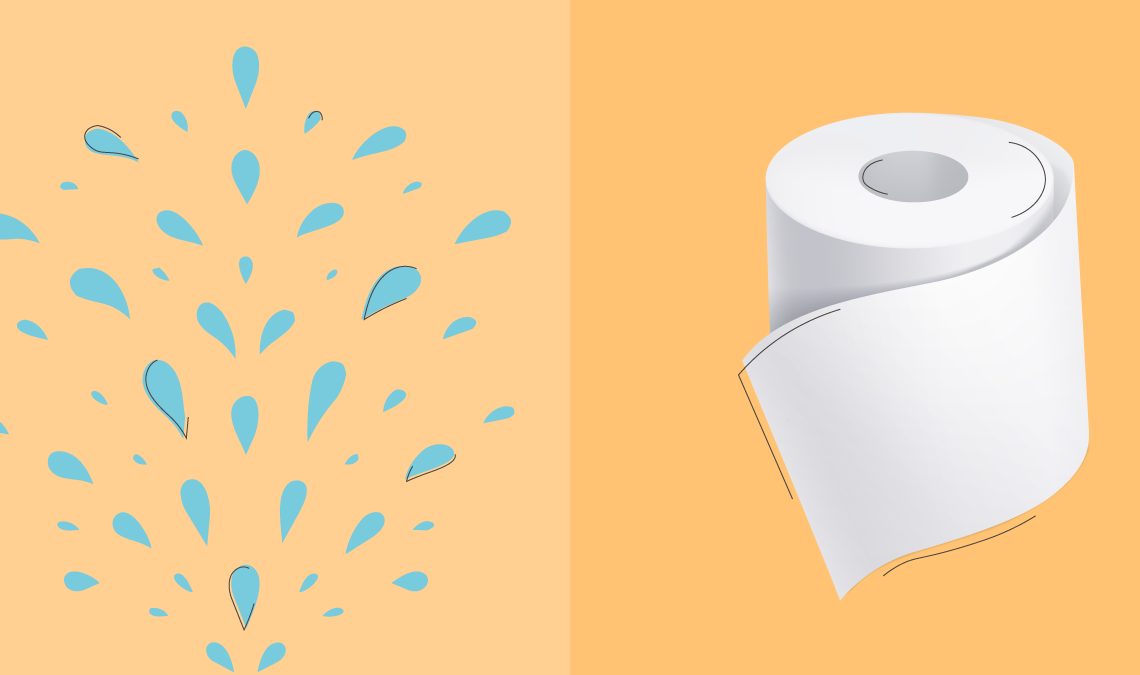
What you’ll learn in this water vs. toilet paper for intimate hygiene guide:
- Water generally cleans more thoroughly because it rinses away residue instead of just moving it around.
- Dry toilet paper can cause friction, especially on sensitive vulvar and anal skin.
- Proper water cleansing (front to back, clean hands) can reduce bacterial spread and lower UTI risk.
- Leaving the area damp after washing can cause irritation, so always pat dry gently.
- During periods, water feels gentler and removes blood without repeated wiping.
- Toilet paper is convenient, but combining it with water often offers better hygiene.
- The healthiest routine is gentle, friction-free, and adapted to your environment.
There’s something funny about how openly we talk about skincare routines, hair oils, gut health, and hormones, but the conversation stops the second it travels a few inches south. Which is wild, because the way we clean ourselves after using the bathroom affects everything from irritation and infections to overall intimate comfort. And most of us grew up just copying what we saw around us without ever questioning it.
But lately, more women are starting to rethink the basics. What is better in the water vs. toilet paper for intimate hygiene debate deserves a real answer. The western world tends to stick with toilet paper, but the East swears by water. So, is modern knowledge smarter, or did ancient wisdom have it figured out? Which one is kinder to your body? And why does this tiny daily hygiene habit matter way more than we think? Let’s get into it.
Is water more hygienic than toilet paper for intimate cleaning?
Yes. Water vs. toilet paper for intimate hygiene is not really a close contest when it comes to thoroughness. Water removes residue instead of simply moving it around.
Water works as a natural solvent. According to Clinical Gastroenterology and Hepatology Research, it helps break down organic residue, sweat, bacteria, and menstrual blood more effectively than dry wiping. The anatomy of the perineal region, with its folds, hair, and delicate skin, makes it difficult for toilet paper to fully remove microscopic particles. Water flows through these creases and physically carries away debris rather than redistributing it.
From a microbiological perspective, studies comparing cleansing methods consistently show lower bacterial residue on skin when water is used. This is especially important because improper cleansing means bacteria lingering around the anal region can migrate toward the urinary tract. Better intimate hygiene practices in this area can meaningfully reduce the risk of infections over time, provided the technique is right.
Why is using water better than toilet paper?
Here are 3 reasons water tends to win this comparison, and why each matters for your body.
Your skin down there is not built for friction
The skin around your vulva and anus is thinner, more sensitive, and packed with nerve endings. Frequent wiping, especially with dry or rough toilet paper, can create micro-tears or irritation over time. This is why when people wipe often, like during periods, digestive issues, or postpartum recovery, they are more likely to experience itching, redness, or discomfort. Skin irritation from wiping is more common than most people know.
Water cleansing reduces that mechanical friction. It cleans without scraping. Which is probably why many dermatologists and doctors point out that water-based cleaning is gentler and can help prevent irritation, especially for those prone to skin sensitivities or hemorrhoids.
And if you’ve ever experienced the discomfort of wiping during your period, you already know this instinctively. The area is already sensitive, hormones can affect skin hydration, and repeated wiping just amplifies the problem.
Your skin is already doing a lot. It shouldn’t have to deal with friction too. We designed gentle comfort built for sensitive skin. Try it here!
There’s a lot of bacteria around there
Our intimate region naturally contains bacteria. That’s normal and healthy. Problems happen when bacteria travel where they shouldn’t. Women, especially, have shorter urethras, which makes it easier for bacteria from the anal area to reach the urinary tract. Preventing urinary infections through hygiene starts with understanding this very physiological detail and why even small mistakes in bathroom hygiene habits can increase the risk of UTIs over time.
Water cleansing, when done correctly, helps rinse away bacteria rather than potentially smearing it across nearby areas. Research has found that people who use water-based cleaning methods often have fewer bacteria transferred to their hands compared to those relying only on toilet paper. But technique is everything. Washing with unclean hands or transferring water from back to front can actually increase infection risk. Hygiene is not just about the method, it’s about how thoughtfully it’s done.
But water isn’t automatically better in every situation
Water is highly effective but not universally practical or automatically safer in every scenario. Water cleansing can sometimes lead to discomfort or imbalance if the water source or nozzle is not hygienic, if excess moisture is left on the skin, if the area is washed aggressively or too frequently, or if hands transfer bacteria during cleaning.
Similarly, toilet paper has its limitations but remains practical when water access is limited. The healthiest intimate hygiene practices often combine both approaches depending on context. Toilet paper vs. water hygiene is less about picking a winner and more about knowing when to use what.
How do you use water correctly for intimate hygiene?
This is where water cleaning habits can go right or wrong. The technique matters as much as the method itself. Follow these steps for safe, effective cleansing:
- Wash front to back: Always move from the vaginal area toward the anal area to avoid transferring bacteria to the urinary tract.
- Use clean, running water: A bidet or running tap is ideal. Avoid using stagnant water from a container.
- Keep pressure gentle: High pressure can irritate sensitive skin, so let water flow naturally rather than forcing a stream.
- Use lukewarm water: Very hot or very cold water can cause discomfort. Lukewarm is best for comfort and safety.
- Wash your hands before and after: If using your hand to cleanse, wash it thoroughly with soap before and after.
- Pat dry gently: After washing, gently pat the area dry with a clean towel or tissue. Do not rub, and do not leave moisture on the skin as it can encourage fungal growth.
- Skip the soap: Avoid adding soaps or antiseptics directly to the wash water, as they can disrupt the natural pH balance of the vulvar area.
Why does intimate hygiene become more important during menstruation?
Menstruation increases moisture and residue, which creates an environment where bacteria and sweat accumulate more easily.
Menstrual blood itself is not dirty, but it can trap discharge, sweat, and external bacteria. Hormonal fluctuations during your cycle can also make skin more sensitive and prone to irritation. Frequent wiping during periods can intensify discomfort, especially if dryness or chafing develops. This is exactly where water vs. toilet paper for intimate hygiene matters most practically.
Water cleansing during periods tends to feel more soothing because it removes residue gently. When washing is not accessible, having intimate-friendly cleansing alternatives can help maintain comfort without disrupting the skin’s natural balance. That is why we designed our Gentle Intimate Wipes to offer a gentle refresh during travel, long workdays, or outdoor situations where water is not available. These wipes are specifically designed for intimate skin, because regular wet wipes often contain fragrances and harsh preservatives that can disrupt the natural pH balance.
Does moisture left after washing actually cause problems for vulval health?
Yes. Excess moisture left behind can encourage fungal growth and irritation, which affects vulval health and cleaning habits in ways people often overlook.
The intimate area functions best in a balanced environment. Too much dryness weakens the skin barrier, while persistent dampness creates conditions where yeast and bacteria thrive. After washing, gently patting the area dry instead of rubbing helps maintain this balance. This is one small step in your daily hygiene habits that makes a real difference.
On days when you want a slightly deeper cleanse, after workouts or during heavier menstrual flow for example, using a mild, pH-balanced wash can help support the natural microbiome. Our Foaming Intimate Wash is designed to cleanse without disrupting the acidic environment that protects against harmful microorganisms.
Why does the West prefer toilet paper while the East prefers water?
Hygiene habits are deeply shaped by cultural practices, accessibility, and environmental factors rather than purely scientific evidence.
In many parts of Asia, the Middle East, and Southern Europe, water cleansing has been a long-standing norm rooted in both hygiene and cultural tradition. In contrast, toilet paper became dominant in Western regions largely due to industrial convenience and mass production. When you look at which is more hygienic: water or toilet paper, the evidence points toward water, but habit and infrastructure have kept toilet paper dominant in much of the West.
As awareness around intimate hygiene and long-term health grows globally, many people are revisiting water-based cleansing methods. The shift reflects a broader understanding that bathroom hygiene habits can evolve alongside better information and changing lifestyles.
If you’ve ever wanted a wash that actually works with your body’s chemistry, not against it. Here’s what clean feels like when it’s actually pH-balanced.
Is water cleansing more environmentally sustainable than toilet paper?
Often yes, but sustainability depends on how water and paper are used.
Here’s what the research shows:
- Toilet paper production requires significant amounts of trees, water, and manufacturing energy.
- Efficient water cleansing methods can reduce paper consumption substantially.
- Excessive water usage also has environmental costs, so mindful use matters.
- A balanced hygiene routine that minimises unnecessary paper use while practising mindful water consumption tends to be the most sustainable approach overall.
What are the best practical tips for intimate hygiene every day?
The best way to clean intimate area is not a single method. It’s a set of consistent, thoughtful habits:
- Use water whenever possible, especially after bowel movements and during menstruation.
- Choose fragrance-free, pH-balanced products when additional cleansing is needed.
- Carry intimate-safe wipes for situations where water access is limited. Regular wipes often contain ingredients that disrupt the natural pH balance.
- Avoid regular soaps or body washes in the vulvar area, as they can disturb the natural microbiome.
- Change menstrual products regularly to reduce moisture buildup.
- Pay attention to recurring irritation, itching, or infections, as they can sometimes signal hygiene imbalances that are easy to address.
- Prioritise personal comfort and consistency over following rigid rules.
Water vs toilet paper for intimate hygiene: what’s the final answer?
Water is generally more thorough and gentler, making it the stronger choice when it comes to toilet paper vs. water hygiene. But the most effective routine is one that combines accessibility, proper technique, and skin-friendly practices. Toilet paper offers convenience. Water offers deeper cleansing. Most people benefit from using both strategically, especially during menstruation or after physical activity. What truly matters is a daily hygiene habit that supports your body’s natural balance, reduces irritation, and fits sustainably into your real life. Small, consistent choices in water vs. toilet paper for intimate hygiene add up to real differences in comfort and long-term intimate health.
Disclaimer:
The content of this article is provided for general informational and educational purposes only and is not intended to constitute medical advice, diagnosis, or treatment. The information shared is of a general nature and may not be appropriate for all individuals or specific circumstances. Readers should not disregard, delay, or substitute professional medical advice based on the information contained herein.
If you experience any symptoms, notice anything unusual, or have concerns relating to your health or overall wellbeing, you should consult a qualified healthcare professional. While every effort is made to ensure the information shared is accurate and up-to-date, Nua makes no representations or warranties, express or implied, regarding the accuracy, completeness, or suitability of the information provided and disclaims all liability arising from reliance on this content to the fullest extent permitted by law.