Here’s what this blog covers about Navratri fasting during periods:
- Navratri fasting during periods can make cramps, fatigue and mood changes harder to manage.
- Menstrual blood loss increases your need for iron, while restrictive fasting may worsen weakness and dizziness.
- Choose nourishing fast-friendly foods like rajgira, dates, nuts, fruits, curd and paneer.
- Stay hydrated with water, coconut water, fruits and soothing herbal teas.
- Rest when needed, and choose gentle movement over exhausting dance or exercise.
- Whether you fast fully, partially or not at all, respecting your body is part of devotion.
If you’re on your period during Navratri, you can choose to fast fully, partially, or not at all based on your health, energy levels, and symptoms. There’s no one-size-fits-all approach to Navratri fasting during periods, what matters is listening to what your body needs.
If you do choose to fast, this guide covers what to eat, how to stay hydrated, and how to manage cramps, fatigue, and low energy while observing your fast. From iron-rich, fast-friendly foods to hydration options and knowing when to ease up, here’s how to make fasting during periods more comfortable without ignoring your body.
Navratri is all about devotion, colour, and energy—the dance, the lights, the food (or lack of it if you’re fasting). But when you’re menstruating, you’re already navigating cramps, fatigue, fluctuating moods, and changing energy levels. Adding food restrictions on top of that can make the experience feel more challenging.
So, if you’re wondering, Can I fast during my period? What should I eat? How much should I drink? And when should I stop? Let’s get into it.
The Spiritual ‘Why’ of Navratri Fasting
Navratri fasting isn’t just about skipping food, it’s rooted in purification. Traditionally, people avoid grains, meat, alcohol, and processed foods. Instead, they eat fruits, dairy, and sattvic ingredients like sabudana and kuttu. The idea is to detoxify, rest the digestive system, and raise your spiritual energy.
Blog continues after the ad.

But here’s the thing, menstruation is already a natural process of cleansing. Your uterus is literally shedding and renewing itself. When you overlay a fasting practice on top of that, your body is doing double the work. Navratri fasting during periods may therefore call for a little more flexibility. So, the question becomes less about “Can I fast?” and more about “What does my body need while I fast?”
The Science of Navratri Fasting During Periods
Periods aren’t just about bleeding. Biologically, they’re about fluctuating hormones, shifting nutrient needs, and energy demands. Here’s a breakdown.
- Iron loss: Menstrual blood loss means your body needs more iron. Low iron = fatigue, weakness, dizziness. If you’re fasting without iron-rich foods, this can hit harder.
- Blood sugar swings: Restrictive fasting can destabilize blood sugar, making mood swings or fatigue worse during PMS or bleeding days.
- Hydration balance: Estrogen and progesterone shifts during menstruation affect fluid retention. Combine that with fasting, and dehydration becomes real.
- Cramping and inflammation: Your body produces prostaglandins to help the uterus contract. These are the same culprits behind cramps. Diet can worsen or ease their effects.
So, fasting during periods is less about religious restriction and more about knowing biology. Your body is already in a delicate balance. The right tweaks can make fasting supportive, not punishing.
For a deeper dive into fasting and menstruation, here’s everything you need to know.
Listening to Your Body (And Actually Hearing It)
Every woman’s period is different. Some sail through with barely a twinge, others are curled up with a hot water bag. But research shows that fasting during your period could cause menstrual abnormalities. So, if you decide to fast, the trick is learning to tune in. Here’s how.
Balanced Meals
When fasting during your period, food isn’t just fuel, it’s medicine. So choose your Navratri fasting foods for periods wisely.
- Iron-rich fast-friendly foods: Amaranth (rajgira), pumpkin seeds, and dates can help replenish iron.
- Magnesium for cramps: Nuts (like almonds and cashews) and seeds (like pumpkin or sesame) ease muscle tension.
- Hydrating options: Fruits like watermelon, papaya, and oranges keep you energized and hydrated.
- Protein balance: Curd, paneer, or milk with nuts can stabilize blood sugar.
- Soothing herbs: Ginger, tulsi, and fennel in teas calm bloating and cramps.
Pro Tip: Pair vitamin C foods (like guava or amla) with iron sources to boost absorption.
Here’s a guide to the best foods to eat during your periods.
- Traditional Remedies: Many women find relief from menstrual discomfort through traditional remedies. Ginger tea, for example, is known for its anti-inflammatory properties and can help ease cramps.
- Spiritual Practices: Engaging in spiritual practices such as prayer and meditation can help center your mind and body. Consider setting aside time for reflection and connection, allowing for a holistic Navratri experience.
- Community and Support: Share your experiences with friends and family who observe the festival. They may offer advice or support that can help you navigate fasting and menstruation more comfortably.
Spirituality is not about punishing your body; it’s about aligning with it. Goddess Durga, after all, is power personified. Honor her by honoring your own shakti.
- If you’re feeling lightheaded, don’t push it. That’s especially important if you’re considering a Navratri fast during menstruation. It’s not “cheating” to eat, it’s respecting your body.
- If cramps are unbearable, swap fasting foods for warm, nourishing sattvic meals. This can be particularly helpful when managing period cramps during Navratri.
- If you’re bloated, hydration is your best friend. Coconut water, jeera water, or warm ginger tea can do wonders.
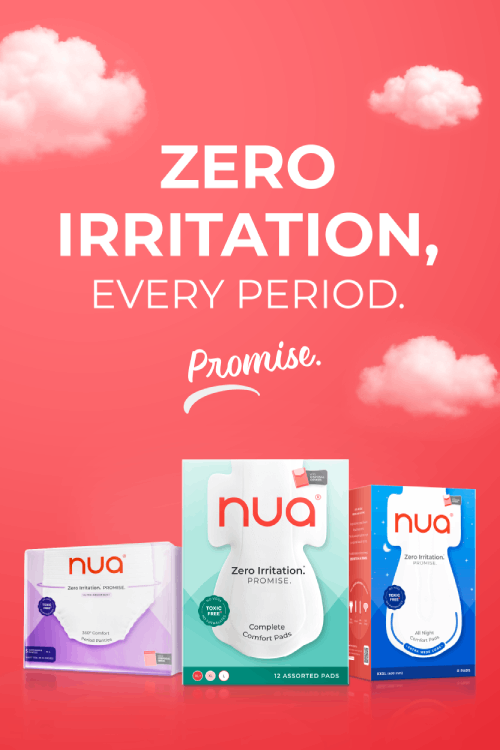
And while cramps and fatigue may be out of your hands, the comfort you feel through the day isn’t. Good period care during Navratri can make the day feel more manageable. Slipping on a soft, rash-free pad like Nua’s Complete Comfort Sanitary Pads means one less thing tugging at your attention, so your energy can stay with your prayers and your people, not with constant readjusting.
2. Hydration = Non-Negotiable
This bears repeating, dehydration will make everything worse—your cramps, your fatigue, your headaches. Keep sipping. Coconut water is a miracle drink, packed with electrolytes, minerals, hydration in one go. Herbal teas (ginger, chamomile, fennel) also ease discomfort.
3. Rest and Movement
Navratri is synonymous with dance and energy. But if your body is screaming “slow down,” listen. Resting doesn’t make you less devoted. If you want movement, try gentle yoga stretches, walking, or slow garba instead of the high-energy, all-night version. Movement can even reduce cramps, but it should feel supportive, not draining.
And if you do feel like a few rounds of garba, your period shouldn’t be the reason you sit them out. Because they’re ultra-thin and designed to stay put through movement, Nua’s Sanitary Pads let you spin and sway without the bulk or the worry of anything shifting mid-step.
Community, Stigma, and Self-Permission
Let’s talk about the elephant in the room: menstruation is still stigmatized in many communities.
Some traditions discourage women from participating in rituals while bleeding. If you’re navigating this, remember, your worth isn’t diminished by biology. If you choose to step back, that’s valid. If you choose to participate, that’s valid too. The point is—you choose.
Giving yourself permission is the most radical form of devotion.
Closing Thoughts
Navratri is a festival of power, energy, and feminine strength. Menstruation is also power, your body shedding and renewing itself every month (it’s no wonder these festivals actually celebrate it!). Fasting during this time isn’t about denying one for the other, it’s about harmonizing both.
So, honour your hunger, honour your fatigue, honour your joy. Whether you fast fully, partially, or not at all, what matters is the intention: devotion to your health, your spirit, and the goddess within you. That includes making space for menstruation during Navratri without guilt.
Because let’s be real, the most divine thing you can do this Navratri is treat your body like the temple it already is.
FAQs
1. Can I fast during Navratri while on my period?
Yes, but it depends on your symptoms, energy levels, and health. If you feel weak, dizzy, or unusually fatigued, it is better to eat and modify your fast.
2. What should you eat while fasting on your period?
Choose nourishing fast-friendly foods such as rajgira, pumpkin seeds, dates, fruits, curd, paneer, nuts, and seeds. Pair iron-rich foods with vitamin C sources to support iron absorption.
3. Can fasting make period cramps worse?
Restrictive fasting may worsen fatigue, dehydration, blood sugar swings, and menstrual discomfort. Staying hydrated and eating balanced meals can help you manage cramps more comfortably.
4. How can you stay hydrated while fasting during menstruation?
Sip water regularly and include hydrating options such as coconut water, watermelon, oranges, and herbal teas. Hydration can help reduce headaches, fatigue, bloating, and cramps.
5. What should you do if you feel dizzy while fasting on your period?
Stop fasting and eat or drink something nourishing if you feel lightheaded, weak, or unwell. If symptoms are severe, persistent, or accompanied by heavy bleeding, speak to a healthcare professional.
Disclaimer
The content of this article is provided for general informational and educational purposes only and is not intended to constitute medical advice, diagnosis, or treatment. The information shared is of a general nature and may not be appropriate for all individuals or specific circumstances. Readers should not disregard, delay, or substitute professional medical advice based on the information contained herein.
If you experience any symptoms, notice anything unusual, or have concerns relating to your health or overall wellbeing, you should consult a qualified healthcare professional. While every effort is made to ensure the information shared is accurate and up-to-date, Nua makes no representations or warranties, express or implied, regarding the accuracy, completeness, or suitability of the information provided and disclaims all liability arising from reliance on this content to the fullest extent permitted by law.