Every woman knows a period is more than just blood. It’s the physical pain of cramps, the emotional swings, the stress, the social discomfort, and the nonsensical cultural stigma that get bundled in, too. It’s that sharp twinge when you’re trying to stay focused in a meeting, the wave of irritability that makes you snap – and then the guilt of not being ‘the best version of yourself.’ It’s the dread of a never-ending to-do list that won’t pause just because your uterus decided to riot.
And through it all, we’re expected to be fine. Polite. Productive. Pleasant.
Let’s unpack how period irritation shows up in our lives, what the research says (and doesn’t say), and why we need to start paying attention. It’s time we stop treating period irritation as something women just have to deal with and start talking about the real impact.
“Period Irritation” Starts With Bleeding – But Goes Far Beyond
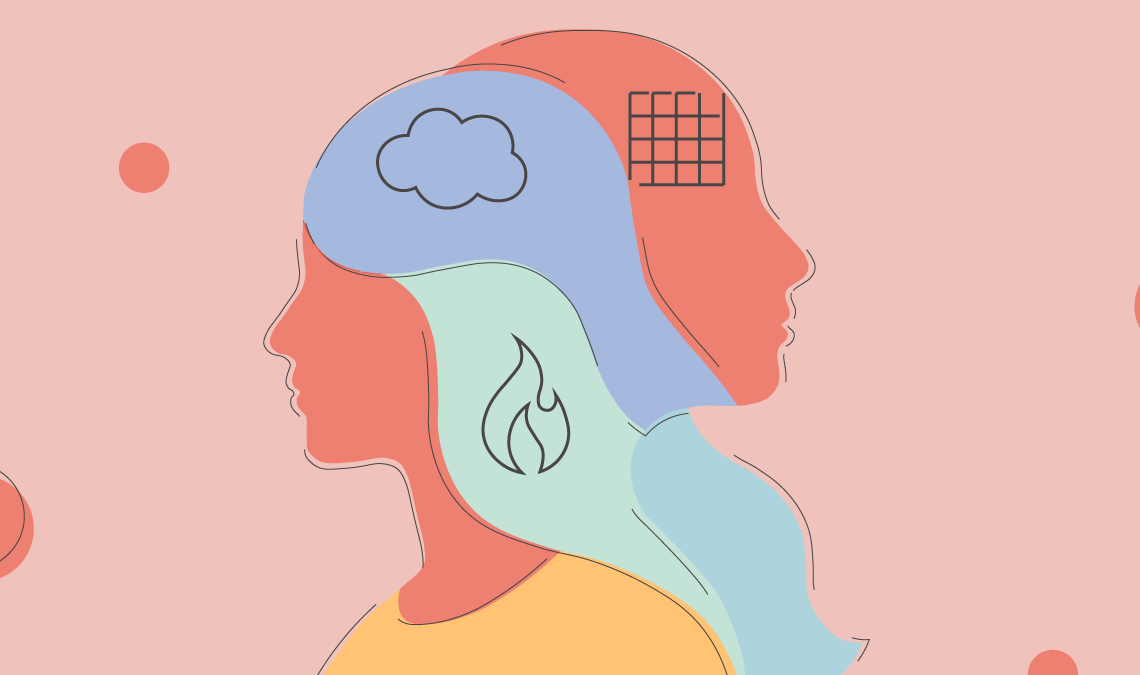
Period irritation isn’t just one thing; it’s the whole experience. It’s the pain, yes, but it’s also the exhaustion, the emotional fatigue during menstruation, the frustration of being told to get over it, and the cultural rules that still make so many of us feel like we need to hide our discomfort. It’s a mix of physical, mental, social, and emotional strain that adds up to an ongoing irritation—quiet, constant, and mostly unspoken.
Though the cramps are no joke — research shows 71% of women globally deal with them — what about the emotional rollercoaster? The fatigue that wipes you out? Research also shows that as many as 47.8% may experience these psychological symptoms of PMS regularly. These hormonal changes during periods are not just physical, they impact mood, energy, and overall well-being.
And then there’s the social stuff, the things we don’t even question anymore.
Like sneaking a pad into the bathroom like it’s contraband or being told not to enter the kitchen or temple when you’re bleeding. Even in 2025, we’re still treating periods like some shameful secret. According to research, many women don’t speak up about how much pain they’re in because we’ve been taught it’s “normal.” It’s just part of being a woman. So we don’t complain. We power through.
That’s the real problem. This idea that pain is just part of the package. One study found that 85% of women reported period discomfort beyond cramps, but many didn’t even consider it a medical issue unless they literally couldn’t function. We don’t even label our suffering as suffering – that’s how deep this runs.
Plus, stress from periods can sometimes become stress on periods. According to Women’s Health Services, too much stress can mess with your hormones and even delay or stop your cycle. So yeah, it’s all cyclic (pun intended). Your body, your mind, your hormones, they’re in an irritation feedback loop, and sometimes it feels like they’re all conspiring against you.
The Hidden Stress of Menstruation
Period irritation not only leads to stress, it is stress. It’s also fatigue. It’s having to show up and smile through discomfort because there’s no socially acceptable way to say, “I’m on my period, and I need space.”
For way too long, no one really measured how much menstrual discomfort derails our day-to-day lives. Most of us don’t go to doctors for it, we manage it with painkillers, hot water bags, and some quiet cursing. But that means the full impact stays hidden.
Enter this Dutch 2019 study. It looked at 42,000+ women and found that 85% had cramps, 77% had complaints regarding the psychological symptoms of PMS, and 71% reported tiredness during their periods. And get this: 38% couldn’t do their regular activities, but more than half (51.4%) didn’t tell their families the reason. They just pushed through or made up other excuses.
And when it comes to work? It’s not great. Periods can cost women nearly 9 days of productivity per year. But most of the women studied still showed up. We just get less done. It’s called presenteeism, and more than 80% of women in that study were doing it. We show up, we smile, we grind. But we’re not okay.
Now let’s talk about mental health. If you’ve ever felt completely out of sorts before your period, you’re not alone. Some deal with serious conditions like PMDD or severe PMS. A 2021 review found a strong link between stress and menstrual irregularities. Even if it’s not clinical, the everyday anxiety – about stains, leaks, moods, pain, or even when an irregular period will arrive – builds up. These “small” worries? They’re constant. And they’re exhausting. This period-related anxiety is one of the most overlooked emotional effects of menstruation.
Lost Days, Missed Chances All Because of Periods
Let’s not sugarcoat it: periods cost us time, energy, mental capacity, emotional peace, and sometimes opportunities. Maybe you’ve missed a class or bombed a presentation because of your period. According to research, 1 in 5 young women miss school or college due to period pain. And 41% say their focus or output takes a hit. That’s huge.
But what’s worse? The invisible losses. Girls drop out of sports. Women say no to public roles. We plan our lives around our periods. And we’re taught to do so silently.
In the Dutch study, more than half the women who adjusted their workload because of periods didn’t even say why. They just took it on the chin – and let others make assumptions and draw conclusions about their dedication and competence that may or may not have been correct. We downplay, we hide, we pretend we’re fine. But we’re not. And the irritation? Of being limited, of hiding our truth, of being expected to keep going? It’s real and relentless. Again, the emotional impact of periods reaches far beyond the physical pain.
The Burden of Period Irritation in India
Indian women are juggling paid jobs and unpaid labour every single day—period or not. According to the Time Use Survey, Indian women spend 289 minutes a day on unpaid housework. Men? Just 88. Throw in caregiving for children and elders and the numbers get worse.
So when we’re in pain or emotionally wiped, there’s no room to pause. We’re still cooking, cleaning, helping with homework, looking after everyone else. And even the traditional restrictions (like not entering the kitchen) don’t give us rest. They just isolate us.
And the guilt? It’s real. This IIM Ahmedabad study found that 67% of working women struggle with balance, and 53% feel guilty about not doing enough at home. So even when we’re hurting, we feel like we can’t stop. We don’t ask for help. We just add it to our to-do list.
According to the Nielsen Women of Tomorrow study, Indian women are among the most stressed in the world. And honestly, when you look at how much we’re expected to carry, physically and emotionally, during our periods or between them, it makes total sense. The social pressure during menstruation and cultural taboos around periods only deepen the burden.
Why Must We Accept Period Irritation?
Why are women expected to just live with all this period irritation? The pain, the pressure, the exhaustion, the expectations, the silence. Why has period irritation – the full experience of discomfort, disruption, and dismissal – been so thoroughly normalized?
That same Dutch study said: “It is time to open societal dialogue.” And the researchers are right. We need to start naming the things we’ve been trained to shrug off, to trade off, to compromise on. Whether that’s to a boss, a doctor, a partner, or even just to ourselves.
Here’s another big piece of the puzzle: like most things that only affect women, there’s barely any research into how period-related irritation impacts our lives. Not just the cramps and PMS, but the daily drain, the frustration, the mental load, the constant navigating of cultural expectations and bodily discomfort. What does all that do to our energy, our relationships, our work, our well-being? We still don’t really know, because it hasn’t been studied enough.
And because no one is shining a spotlight on this broader irritation, we’re not seeing solutions either. No formal recognition, no supportive policies and no real conversation. If it’s not being researched or even named properly, it’s not being addressed. Period irritation continues to fly under the radar and women are left managing it alone.
It’s not weak to say, I’m not okay today, it’s honest and it’s human. And its acceptance is long overdue.
Where Do We Go From Here?
At Nua, we can’t solve all of these issues, although we do try to do our small part to bring periods into public conversation and make space for discussing period irritation. What we can do is develop period care that doesn’t add to an already overwhelmingly irritating experience. And that’s a promise.
Explore our Zero Irritation period care range here.