With the average woman going through around 480 periods in her lifetime, according to the NHS (yes, that’s a lot of pads, cramps, and chocolate bars), you’d think we’d all have menstrual hygiene figured out by now. But the truth is, no one really sits you down and tells you the actual dos and don’ts. Between the taboos, whispered advice, and random myths, most of us end up learning by trial and error. And let’s be real, sometimes that “error” comes with painful consequences. The risks of poor menstrual hygiene are very real, and they can impact everything from your comfort to your long-term health. So let’s talk about it openly, the way girlfriends should.
Here are 6 common mistakes that may look harmless but can seriously put your health at risk:
(article continues below this video)
1. Using Unclean Sanitary Napkins
Pads are designed to be sterile, and using unclean or makeshift options like old cloth, dried leaves, or plastic isn’t just uncomfortable, it can cause fungal infections, UTIs, and even long-term fertility issues. To most of us, this may be a no brainer, but all over the world, women still use these substitutes for pads (more on that here).
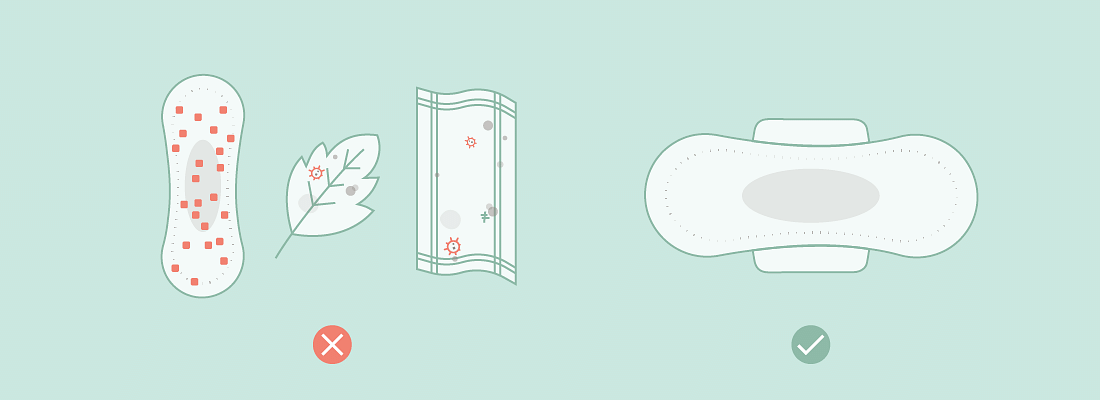
Your period products should protect you, not put your body at risk. If you prefer cloth pads, make sure they’re properly washed, sun-dried, and stored hygienically.
2. Wearing One Pad for Too Long
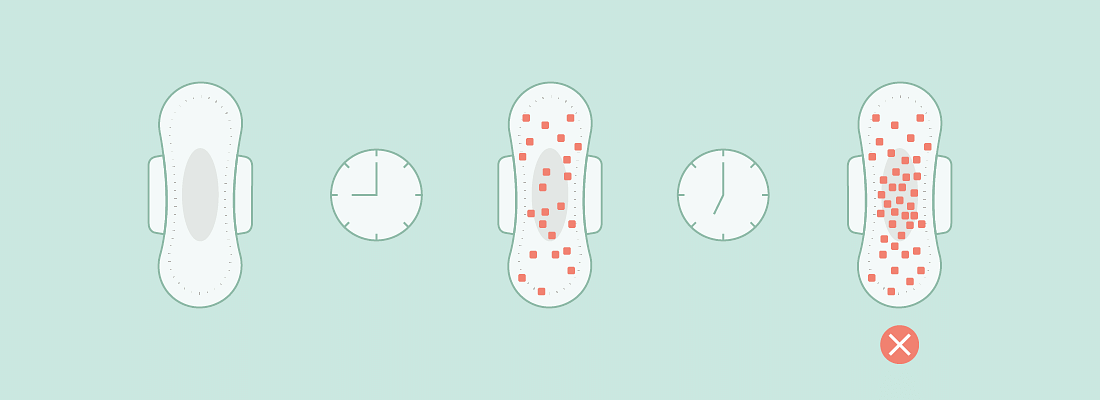
We’ve all been guilty of wearing a pad longer than we should, especially on lighter flow days or during a busy day at work. But the truth is, bacteria and moisture build up fast. Changing every 6–8 hours is non-negotiable.
Blog continues after the ad.
Otherwise, you’re opening the door to rashes, yeast infections (learn more about this here), and that dreaded odour that makes you feel self-conscious. Remember, hygiene isn’t about how heavy your flow is, it’s about keeping your body safe.
3. Wiping or Washing Back to Front
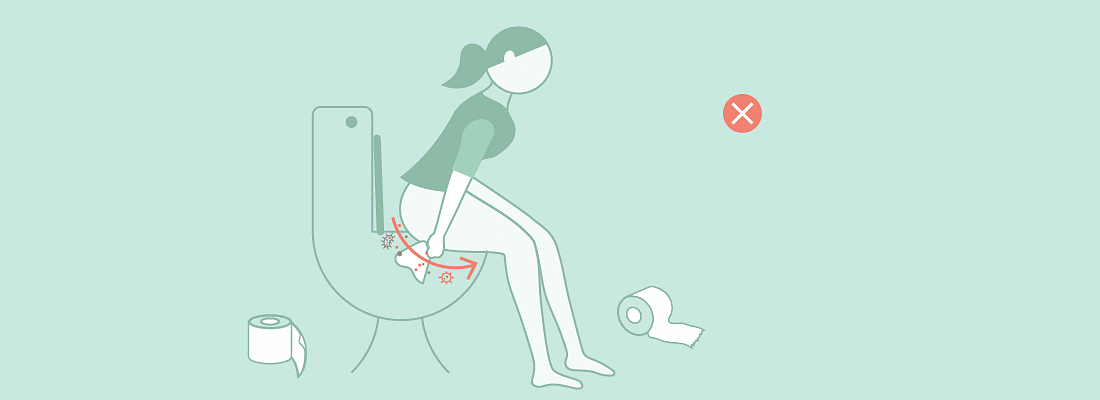
Rushing in the washroom and wiping back to front might feel harmless, but it literally carries bacteria from the bowel to the vagina. This tiny mistake is a big trigger for urinary tract infections (read more here). So the next time your pooping, go front to back, your future self will thank you. Adding mild, unscented soap, this intimate wash or just clean water to your routine is a simple upgrade that goes a long way.
4. Having Unprotected Period Sex
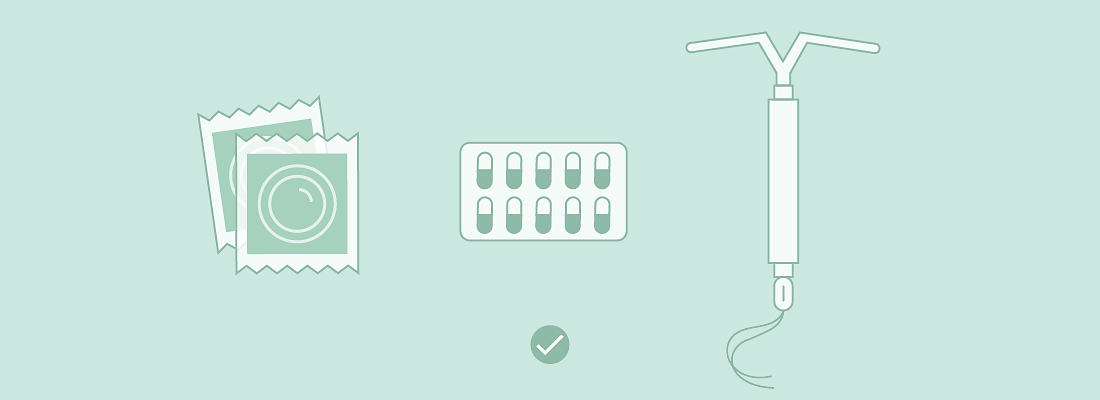
Yes, you can still get pregnant. And beyond pregnancy, the bigger risk is STDs. During your period, your cervix is slightly more open, making it easier to contract infections like HIV or Hepatitis B. Protection isn’t optional, it’s essential. If you’re someone who enjoys intimacy during this time, condoms are your best friend. They protect you, your partner, and your reproductive health.
5. Unsafe Disposal of Sanitary Pads
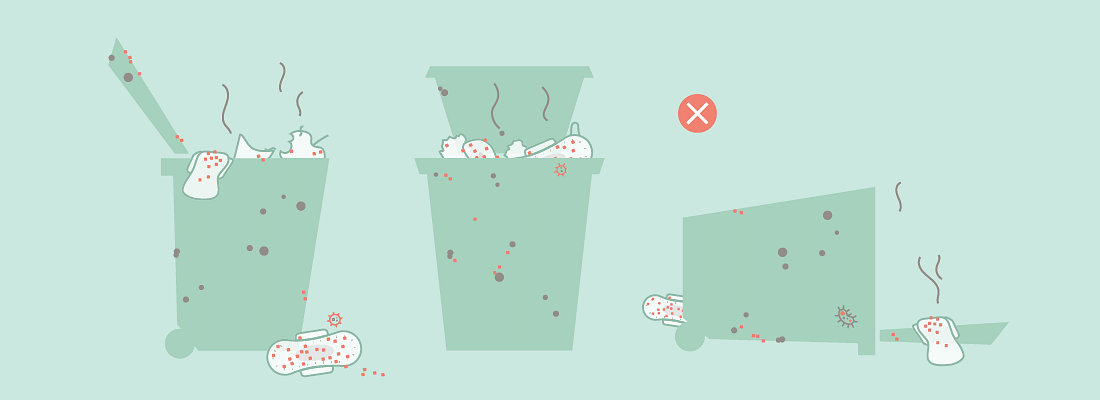
Throwing pads out in the open or mixing them with regular garbage doesn’t just harm the environment, it exposes waste workers to serious infections. Unsafe disposal is one of the most overlooked risks of poor menstrual hygiene, but it matters just as much as wearing a clean pad. Always wrap pads in newspaper or the provided disposal cover before throwing them away. It’s a small step that makes a huge difference.
6. Skipping Hand Washing
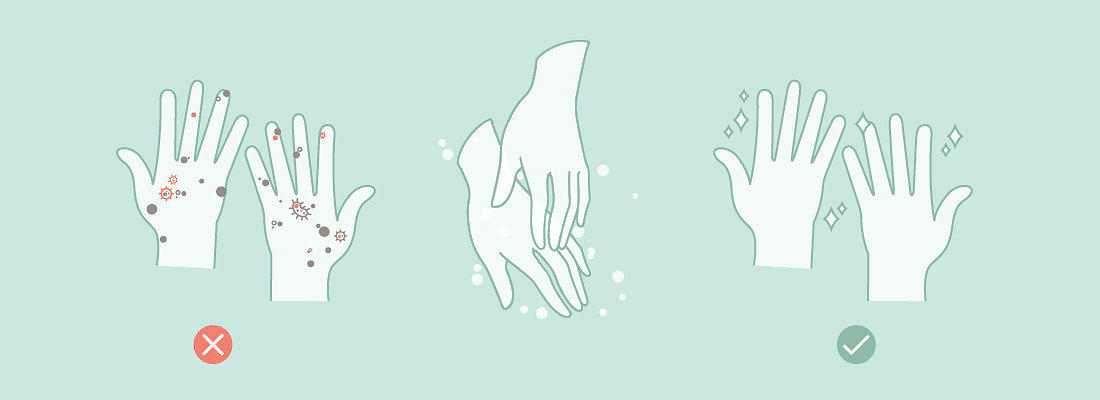
It’s a small habit with big consequences. Changing your pad without washing your hands may transfer bacteria straight into your body. This is how yeast infections and Hepatitis B spread silently. Wash before and after every change, it’s the simplest form of self-care. Think of it like brushing your teeth: tiny habit, massive impact.
The risks of poor menstrual hygiene aren’t just “gross side effects”, they can affect your health in the long run. With brands like Nua, you get pads that are safe, sterile, and thoughtfully designed. But no matter how good your product is, hygiene habits matter most. Change often, wash your hands, and dispose responsibly. Because period care isn’t just about comfort—it’s about protecting your body, your health, and your future.
Note: We know that for our women hygiene is a priority and we have put up a series of articles that talk about the various aspects of hygiene and why it plays an important role in our lives. You can read them here.
this was so uch help for my school work, thank you
Nice Information , this is very informative blog thanks for sharing
Thank you very much for the information it has many useful tips which we must follow,you people are doing a great work keep going
This site is amazing! Can’t believe I’ve only just found it!
Really helpful. Thank you for sharing this vital information
I really appropriate this site a lot it didn’t only help me with school work but also with my personal hygiene
That was really helpful guide 🙂
Thanks for sharing such an amazing blog. I have learnt alot for this.
Thank you for the infor its been so helpful
This is a good tip especially. Short but very precise info… Appreciate your sharing this one. A must read post!