
What you will learn about intimate hygiene in the summer:
- Summer heat and humidity create a constantly damp environment around the vulva, making irritation and infections more likely.
- Sweat, tight clothing, and pads worn for long hours can raise pH levels and disrupt the body’s natural vaginal balance during hotter months.
- During periods, menstrual blood and trapped sweat together increase the risk of discomfort, odour, and infections like yeast infections or bacterial vaginosis.
- A simple summer hygiene routine includes gentle cleansing, wearing breathable cotton underwear, changing pads regularly, and staying dry throughout the day.
- Scented washes, sprays, and harsh soaps can irritate sensitive skin and disturb the vaginal microbiome, especially in hot weather.
- Staying fresh in summer is less about masking odour and more about managing moisture, airflow, and skin comfort consistently.
Summer in India doesn’t just bring mangoes and long evenings. It brings sweat in places you’d rather not think about, pads that feel like they’re melting into your skin, and that low-key always-there paranoia about whether you smell okay. Intimate hygiene in the summer isn’t something most of us were taught to think about, but it affects your comfort, your confidence and even your health.
Your vagina is brilliant at self-care. It maintains its own pH (between 3.8 and 4.5), produces protective Lactobacillus bacteria, and self-cleans through discharge. But summer disrupts that system. Heat increases sweat production, including in the vulvar area, which has a high concentration of sweat glands. That excess moisture raises the local pH, and when pH goes up, the bacteria that keep infections at bay lose their edge.
Why Is Intimate Hygiene in the Summer More Important Than the Rest of the Year?
Because summer changes the environment your vulva lives in, and your body’s defences have to work harder to keep up.
In cooler months, your intimate area stays relatively dry and your skin’s pH holds steady without much effort. Summer flips that. Humidity keeps sweat from evaporating, tight clothes reduce ventilation, and the result is a persistently damp environment right where your skin is most sensitive. Research recommends that paying closer attention to vulvar care in warm climates because heat and moisture can shift the balance of the vulvar microbiota, making infections and irritation more likely. The same body that handles winter effortlessly needs a little more intention when temperatures cross 35°C.
Blog continues after the ad.

What Does Heat Actually Do to Your Vaginal Health?
It doesn’t damage anything directly, but it creates the conditions where problems are more likely to start.
Your vagina is an internal organ and regulates its own temperature. The real impact of summer is on the vulva, the external skin. When you sweat, moisture sits in skin folds, lowers local oxygen, and raises surface pH. That shift matters because Lactobacillus thrives in acidity (pH 3.8–4.5). Push pH higher, even slightly, and organisms that cause infections like Candida and Gardnerella get room to grow. Vaginal hygiene in hot weather is really about protecting this external environment so it doesn’t disrupt the internal one.
Why Does Sweat Increase the Risk of Infections During Periods?
Because your body is fighting on two fronts: menstrual blood is raising your vaginal pH from the inside, and sweat is compounding the problem on the outside.
Your vagina stays healthy because Lactobacillus produces lactic acid, keeping things acidic. That acidity is your defence against infections like bacterial vaginosis and yeast overgrowth. During your period, menstrual blood (pH ∼7.4) neutralises this environment. A 2022 study in Frontiers in Cellular and Infection Microbiology found that during menstruation, Lactobacillus populations drop while potentially harmful anaerobic bacteria increase.
Now layer summer on top. Sweating during periods hygiene becomes a bigger concern because the vulvar region has apocrine sweat glands that produce thicker, protein-rich sweat. When this sweat sits trapped by a pad or tight clothing, it creates a warm, moist, low-oxygen environment, exactly what Candida albicans loves. A study analysed over 12,900 vaginal cultures and found Candida infections were more common in June (19%) compared to the yearly average (16.3%). So when someone asks how to prevent vaginal infections in summer, the answer starts with limiting this chain reaction: heat increases sweat, sweat raises pH, raised pH weakens defences, and periods make everything more fragile.
On days when the heat is getting to you, a quick refresh makes all the difference. Nua’s Intimate Wipes are pH-balanced and dermatologically tested, so you can clean up on the go without disrupting your body’s natural balance.
What Causes Vaginal Odour in Summer (And What Doesn’t)?
Most summer odour isn’t a sign that something is wrong. It’s your body responding to heat, and that’s normal. When it comes to intimate hygiene in the summer, understanding the causes of vaginal odour in summer helps you tell routine from red flag:
- Sweat mixing with skin bacteria: The vulvar area has both apocrine and eccrine sweat glands. When sweat interacts with surface bacteria, it produces a musky odour. Normal, not an infection.
- Pad contact over long hours: Menstrual blood oxidises when exposed to air, and sitting against warm skin for hours intensifies the smell. Maintaining hygiene during periods means changing your pad every 4–6 hours, even on light-flow days.
- Disrupted vaginal flora: A strong, fishy smell could indicate BV, linked to a drop in Lactobacillus and overgrowth of anaerobic bacteria. Summer’s heat and moisture accelerate this shift.
- Overwashing: Using harsh soaps or douching to “fix” the smell actually strips protective bacteria, making odour worse. Vaginal hygiene in hot weather is about balance, not aggression.
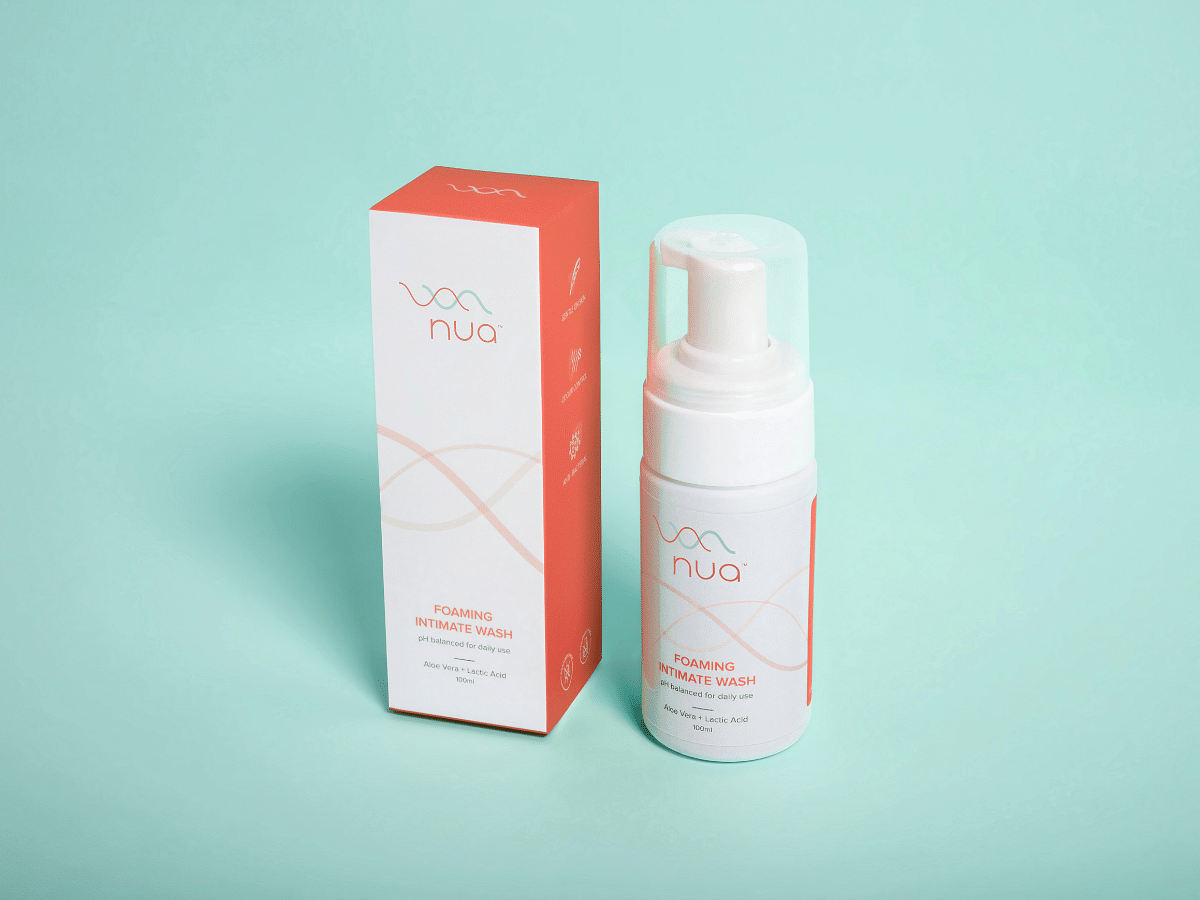
If you want to cleanse without stripping, Nua’s Foaming Intimate Wash is formulated to match your body’s natural pH. It’s toxin-free, dermatologically tested, and foams gently because the vulva needs a light, consistent clean, not a deep scrub.
What Does a Good Daily Intimate Hygiene Routine Look Like in Summer?
Simpler than you think. Your intimate hygiene in the summer doesn’t need ten new products. A solid daily intimate hygiene routine for summer is about being intentional with a few small habits:
Step 1: Wash once or twice daily with a gentle, pH-matched cleanser
Just the vulva (the outside), never the vaginal canal.
Step 2: Pat dry, don’t rub
Moisture is the enemy. After washing, pat the area dry with a clean towel. Rubbing causes micro-friction that irritates already-sensitive skin.
Step 3: Wear cotton underwear and change it when you sweat too much
Synthetic fabrics trap heat and reduce airflow. If you’ve had a sweaty commute or workout, swapping your underwear mid-day is one of the simplest feminine hygiene tips for summer that actually works.
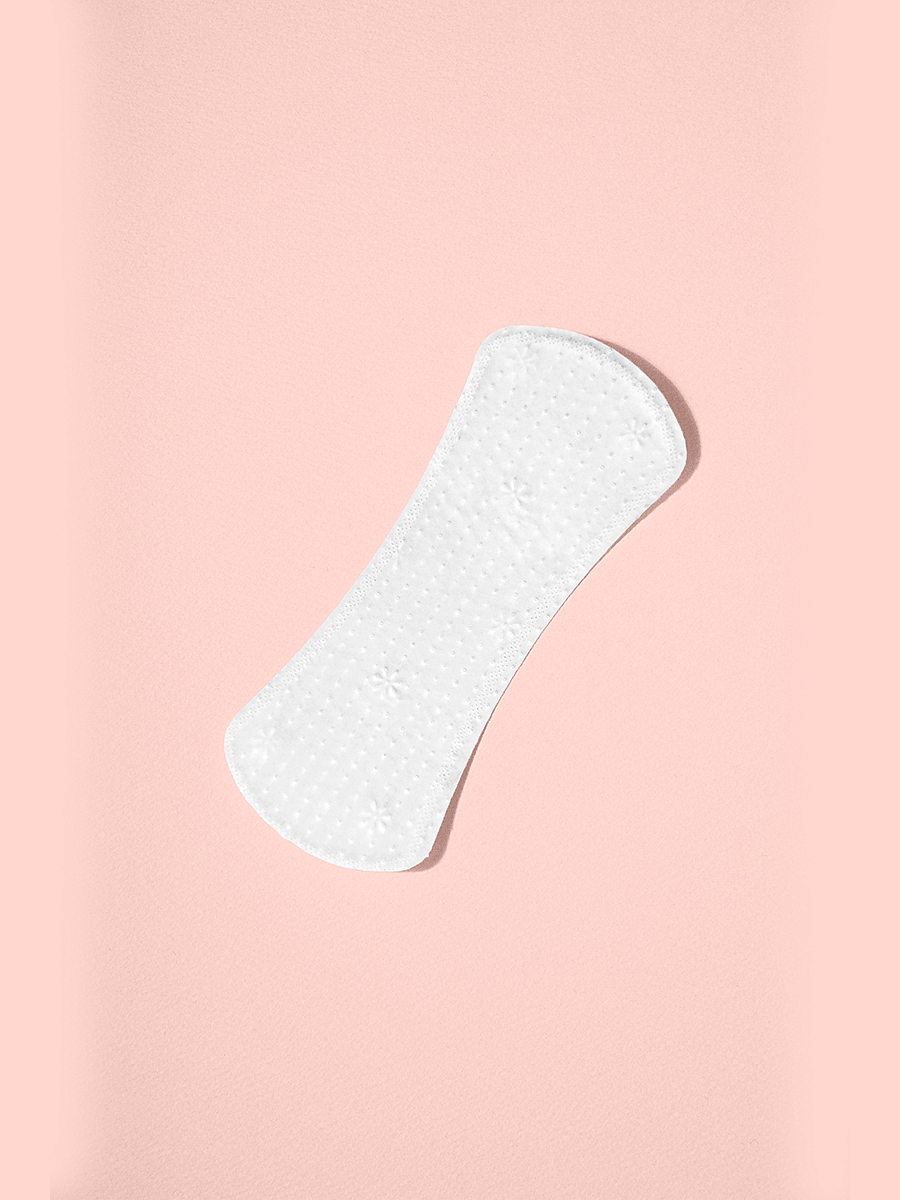
Step 4: Use a panty liner on non-period days
Discharge increases in summer because of higher humidity. A thin, breathable liner absorbs moisture before it sits against your skin, keeping you dry without the bulk of a pad.
Step 5: Keep wipes handy for mid-day freshness
You can’t always shower after a commute in 40-degree heat. A pH-balanced intimate wipe does the job without water, like a reset button for your comfort.
How Do You Actually Stay Fresh During Periods in Summer?
By reducing the time moisture, blood and heat spend sitting against your skin. Here’s what how to stay fresh during periods in summer looks like in practice:
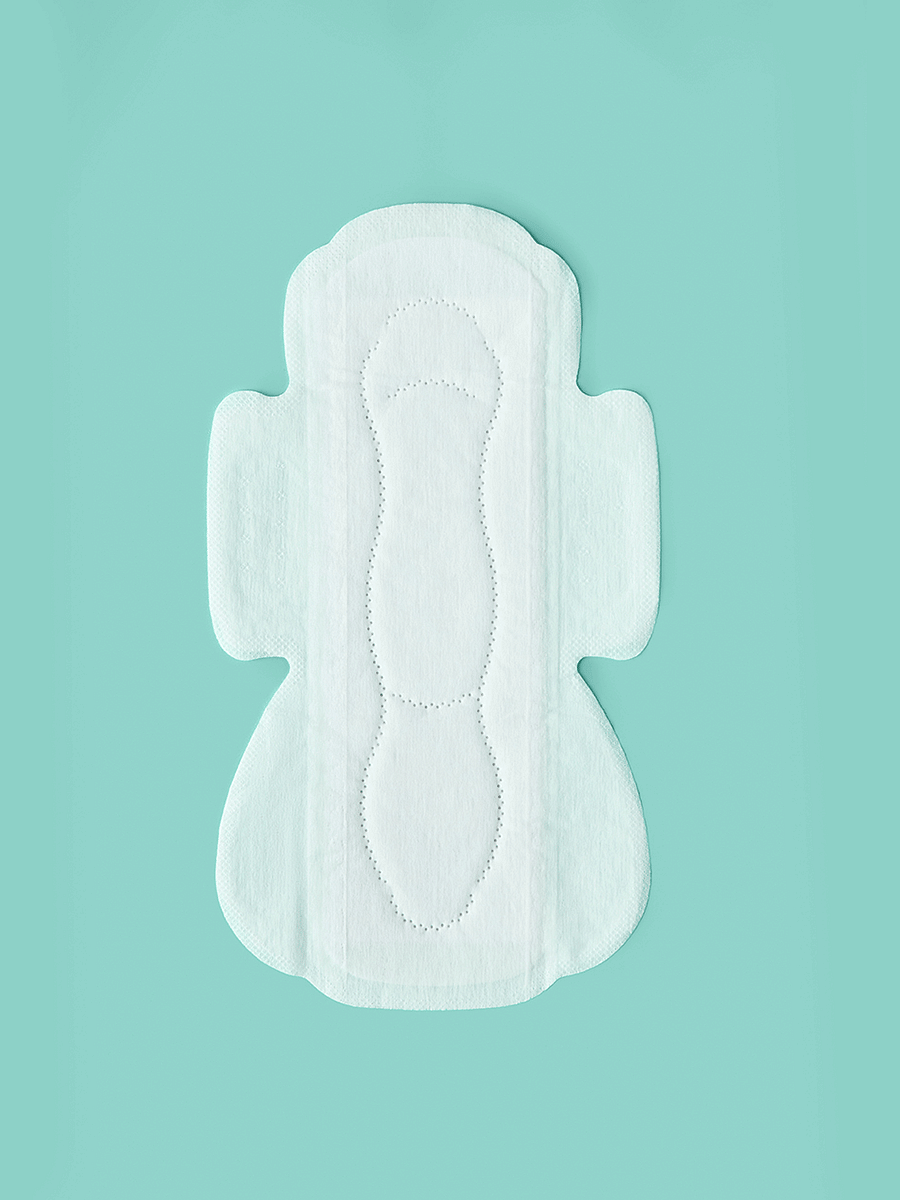
- Change your pad every 4–6 hours, regardless of flow: Even on light days, a pad absorbing sweat for eight hours creates ideal conditions for bacterial overgrowth.
- Wipe down before putting on a fresh pad: Removing residual blood and sweat takes 30 seconds and makes a real difference in how you feel for the next few hours.
- Skip scented products entirely: Scented pads, sprays and washes contain synthetic fragrances that irritate vulvar skin and disrupt your microbiome. Intimate hygiene in the summer should prioritise function over fragrance. Good intimate hygiene in the summer is never about masking smells.
- Sleep without underwear or in loose cotton shorts: Nighttime is when your body recovers its pH balance. Airflow accelerates that process.
- Stay hydrated: Drinking enough water helps dilute urine concentration (which can irritate the vulva) and supports your body’s natural temperature regulation.
For those in-between moments when you need to feel dry but can’t shower, Nua’s Panty Liners are ultra-thin and breathable, absorbing sweat and discharge without trapping heat. Your summer backup plan for staying comfortable all day.
Do You Really Need Different Hygiene Products in Summer?
Not necessarily different, but you need to use them more consistently. Intimate hygiene in the summer basics don’t change with the season, but the intensity does. You sweat more, your skin stays damp longer, so the intimate wash you might skip in winter becomes essential in June.
Your vagina is still self-cleaning. But the external vulvar skin needs more support when heat works against it. The same hygiene tips for hot weather apply on and off your period: breathable fabrics, gentle cleansing, minimal fragrance, and staying dry.
The Bottom Line
Intimate hygiene in the summer isn’t about doing more. It’s about doing the right things at the right time. Your body has a remarkable system in place, and summer just asks you to pay a little more attention. Good intimate hygiene in the summer means taking care of yourself the way your body takes care of you.
Disclaimer:
The content of this article is provided for general informational and educational purposes only and is not intended to constitute medical advice, diagnosis, or treatment. The information shared is of a general nature and may not be appropriate for all individuals or specific circumstances. Readers should not disregard, delay, or substitute professional medical advice based on the information contained herein.
If you experience any symptoms, notice anything unusual, or have concerns relating to your health or overall wellbeing, you should consult a qualified healthcare professional. While every effort is made to ensure the information shared is accurate and up-to-date, Nua makes no representations or warranties, express or implied, regarding the accuracy, completeness, or suitability of the information provided and disclaims all liability arising from reliance on this content to the fullest extent permitted by law.