
What you will learn about matcha in skincare and its benefits in this blog:
- Matcha is a concentrated, whole-leaf form of green tea that retains a lot of its naturally occurring plant compounds.
- Matcha contains antioxidants, amino acids, chlorophyll, caffeine, and vitamins that work together to support healthier-looking skin.
- Matcha can help calm redness, balance excess oil, strengthen the skin barrier, and protect against environmental damage.
- Matcha may also help improve concerns like blackheads, breakouts, uneven skin tone, and visible signs of aging.
- Matcha can be incorporated into your skincare routine through cleansers, masks, serums, eye creams, and nose strips based on your skin concerns.
- The best skincare results come from choosing the right matcha-infused products based on your needs and using them consistently.
Matcha in skincare and its benefits are probably ALL over your Instagram feed right now. One minute, matcha was a sacred Japanese ingredient. The next, it became a full-blown wellness obsession, showing up in lattes, desserts, and now… skincare aisles EVERYWHERE.
And honestly, we get the appeal. It’s cute, it’s beautiful and it’s the perfect shade of green. But is matcha actually good for your skin or just another trend?
Thankfully, there’s more to it than just aesthetics. Matcha is naturally packed with green tea antioxidants for skin, including EGCG, a plant compound that’s pretty well-known for its soothing properties. That’s why you’ll often spot claims like matcha for oily skin, matcha for dark spots, matcha for blackheads, matcha for acne-prone skin…the list is endless.
So, what’s inside matcha and what does matcha do for your skin scientifically? Let’s spill the tea- that is, the matcha tea, of course.
First, What Is Matcha?
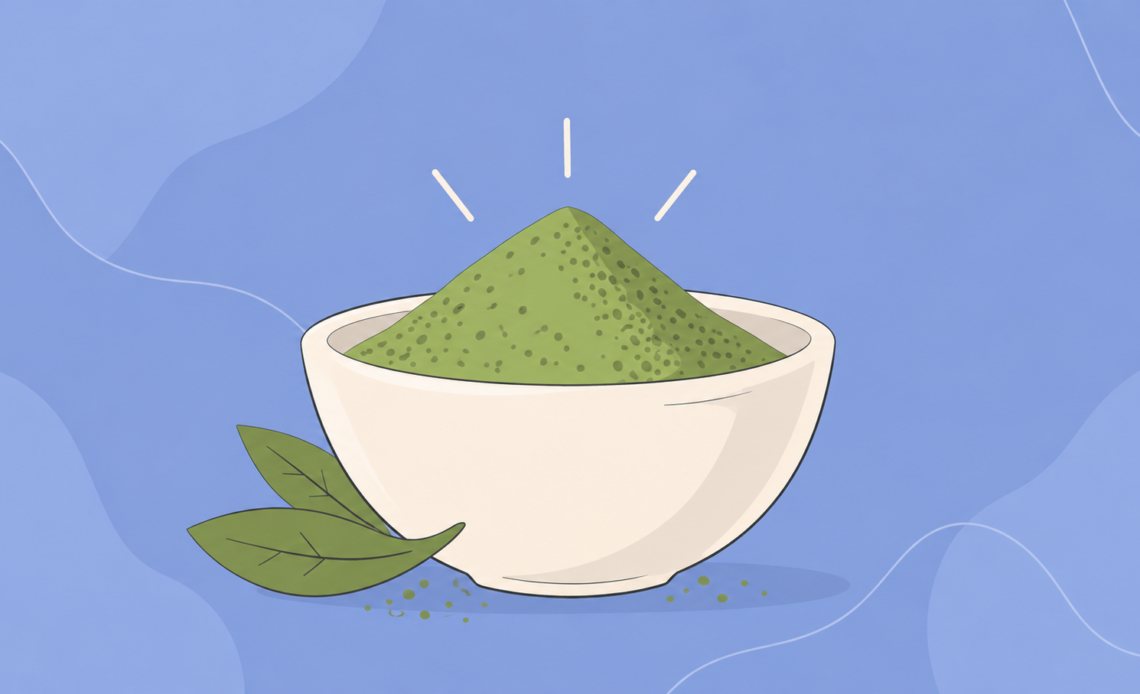
Matcha actually comes from the same plant as your regular green tea, called Camellia sinensis.
The difference lies in how they are both grown.
While regular green tea is grown in sunlight, matcha plants are shaded for 3 to 4 weeks before harvest using bamboo screens or synthetic cloths. With less sunlight, the plants naturally produce more chlorophyll (the green plant pigment) and amino acids, while holding on to more of their beneficial chemicals. That’s what gives matcha its vibrant green colour, rich flavour, and nutrient-rich profile.
Blog continues after the ad.
Once picked, the leaves are steamed, dried and slowly stone-ground into the fine powder we know and love.
And here’s the biggest difference. With regular green tea, the leaves are steeped in water and then discarded. Matcha, on the other hand, uses the ENTIRE tea leaf. Nothing is left behind, which means more of the leaf’s naturally occurring compounds stay intact.
In short, matcha is a more concentrated, whole-leaf form of green tea.
What’s Actually Inside Matcha?
Matcha isn’t just one magical ingredient doing all the work. It’s more like a dream team of naturally occurring plant compounds, each bringing something different to the table. Here’s what all makes the magic happen.
Catechins
Catechins are a type of plant compound known for their anti-inflammatory and antioxidant activity, and matcha is loaded with them. The star of the bunch is EGCG (epigallocatechin gallate), which helps protect skin cells from everyday damage caused by things like pollution and UV rays.
It’s also known for supporting the growth of healthy skin cells. In one lab study, EGCG increased skin cell multiplication by up to 265% in just 12 hours. In simple terms, it helps your skin renew itself, so it stays stronger, healthier, and naturally glowing.
Caffeine
Yes, the same caffeine in your morning coffee. When applied to the skin, caffeine temporarily narrows tiny blood vessels beneath the surface. This reduces the amount of fluid that collects in the surrounding tissue. As a result, it helps reduce under-eye puffiness, improve the appearance of dark circles, and leave skin looking tighter.
Chlorophyll
Chlorophyll is the reason matcha has that gorgeous bright green colour. But it’s not just there for the aesthetics. It’s a naturally occurring plant pigment that’s believed to help support the skin’s natural repair process, working alongside the rest of matcha’s powerhouse ingredients.
L-Theanine
L-theanine is a naturally occurring amino acid found almost exclusively in tea leaves. It’s best known for helping regulate the body’s stress response. Since chronic stress can weaken the skin barrier and increase inflammation, it’s another reason matcha has earned its good-for-skin reputation.
Vitamins A, C & E
Matcha naturally contains vitamins A, C, and E, three essential nutrients your skin uses every single day. They support your skin’s natural renewal process, help maintain collagen, and contribute to a brighter, more even-looking complexion.
You can harness the goodness of all of matcha’s natural compounds with Nua’s Nose Strips for cleaner, clearer-looking pores.
What Does Matcha Do for Your Skin Scientifically?
So, we’ve established that matcha is packed with some pretty impressive compounds. But what happens when they actually meet your skin? Let’s break down what science says.
Calms Redness and Irritation
When your skin encounters pollution, UV rays, or a harsh skincare product, it triggers an inflammatory response. This triggers chemical messengers that widen blood vessels, allowing more immune cells to rush to the area, which is why skin turns red and feels irritated.
Thanks to its naturally occurring anti-inflammatory skincare ingredients, matcha helps stop this response from going into overdrive, making skin feel calmer and less reactive over time.
Prevents Blackheads and Clogged Pores
Blackheads form when excess sebum and dead skin cells become trapped inside open pores, especially around the nose (more on that here).
By helping regulate excess sebum production, matcha can reduce the build-up that contributes to blocked pores. Its antioxidant and anti-inflammatory properties also help keep the pores clearer over time.
Supports a Stronger Skin Barrier
Your skin barrier is made up of skin cells and natural lipids that work together to lock in moisture and keep irritants out. When it’s damaged, water escapes more easily, and skin becomes dry, reactive, and uncomfortable. Matcha helps support the skin’s repair process, helping the barrier stay stronger and better at retaining hydration.
Helps Keep Breakouts in Check
Breakouts often develop when Cutibacterium acnes, the bacteria naturally found on your skin, multiplies inside the pore.
Matcha contains natural compounds that can inhibit the growth of these bacteria, making it harder for them to multiply and contribute to acne. As per research, topical EGCG, matcha’s key antioxidant, reduces acne lesions by 79-89% in just 8 weeks. That’s one of the reasons matcha for acne-prone skin has become such a popular pairing.
Reduces Hyperpigmentation and Evens Skin Tone
Hyperpigmentation happens when excess melanin is produced in certain areas of the skin, often due to oxidation from sun exposure, acne, or inflammation. Rich in antioxidant catechins, matcha helps protect skin from oxidative stress and damage, supporting a brighter, more even-looking complexion over time.
Slows Down Visible Signs of Ageing
As you age, collagen and elastin (skin’s structural pillars) naturally begin to decline. UV exposure and environmental stress accelerate this process by increasing the activity of matrix metalloproteinases (MMPs), enzymes that break down these skin proteins.
By helping suppress MMP activity and supporting healthy skin renewal, matcha helps slow the visible signs of skin ageing, including fine lines, wrinkles, and reduced elasticity. In fact, as per a study, using matcha on your skin can lead to around 15-20% fewer wrinkles.
Why We Use Pure Matcha Extract in Our Nose Strips
Everything you’ve read so far is exactly why we chose matcha for blackheads and kept it as one of the key ingredients in Nua’s Nose Strips.
From helping regulate excess oil and unclog pores to soothing inflammation and supporting the skin barrier, matcha brings together many of the qualities you’d want in an ingredient for blackhead-prone skin.
To complement these benefits, we’ve paired it with Witch Hazel to help lift away impurities and Aloe Vera to help soothe and comfort the skin after use.
Together, they create a formula that doesn’t just remove blackheads, it helps leave your skin feeling clean, balanced, and cared for. That’s why Nua’s Nose Strips can be a helpful addition to a routine targeting clogged pores on the nose
How to Add Matcha to Your Skincare Routine
Getting the skincare benefits of matcha doesn’t have to be complicated. Here are a few easy ways to work it into your routine.
- If your skin feels oily or congested, cleanse with a matcha-infused face wash to help remove excess oil and impurities.
- If your skin looks dull or tired, use a matcha powder mask once or twice a week for an antioxidant refresh.
- If puffy under-eyes are your morning struggle, keep your matcha eye cream in the fridge for a de-puffing effect.
- If blackheads on your nose keep coming back, reach for Nua’s Matcha-infused Nose Strips once a week for cleaner pores.
Note: You don’t need to matcha-ify your entire skincare shelf for it to work. These are options, not a checklist, so pick what actually fits your needs and your routine.
Match(a) Made in Heaven
Matcha earning a spot in your skincare routine isn’t purely a hype-driven coincidence. The beneficial compounds are real, the antioxidant and anti-inflammatory potential is genuine, and for oil-prone, congestion-heavy areas like your nose, it’s a well-suited ingredient rather than just a trendy add-on.
But remember, matcha isn’t going to undo years of sun damage or replace the rest of your routine overnight, and it was never meant to. What it can do is quietly back up the actives already working for you, calming things down, balancing oil, and helping your skin put its best face forward, one cup, mask, or nose strip at a time.
Tried matcha skincare yet, or thinking about it? Drop your thoughts in the comments, we’d love to know what’s on your mind.
FAQs on Matcha in Skincare and Its Benefits
Can I use matcha on my face every day?
Yes, most matcha skincare products like cleansers and serums are gentle enough for daily use, though masks and nose strips work best just once or twice a week (more on that here).
Is matcha better than green tea for skin?
Matcha is more concentrated than green tea since you’re using the whole leaf, so it generally packs more skincare benefits than regular green tea extracts.
Which skin types benefit the most from matcha skincare?
Oily, congested, and sensitive skin types tend to see the biggest benefit, thanks to matcha’s oil-balancing and calming properties. However, it’s safe to use for any skin type.
Should I drink matcha or use matcha-infused skincare?
Both can complement each other. Drinking matcha supports overall wellness, while topical skincare delivers its beneficial compounds directly to your skin.
Are there any side effects of using matcha skincare?
Matcha is generally well tolerated, but if you have very sensitive skin or known plant allergies, it’s a good idea to patch test any new product before using it regularly.
Disclaimer
The content of this article is provided for general informational and educational purposes only and is not intended to constitute medical advice, diagnosis, or treatment. The information shared is of a general nature and may not be appropriate for all individuals or specific circumstances. Readers should not disregard, delay, or substitute professional medical advice based on the information contained herein.
If you experience any symptoms, notice anything unusual, or have concerns relating to your health or overall well-being, you should consult a qualified healthcare professional. While every effort is made to ensure the information shared is accurate and up-to-date, Nua makes no representations or warranties, express or implied, regarding the accuracy, completeness, or suitability of the information provided and disclaims all liability arising from reliance on this content to the fullest extent permitted by law.