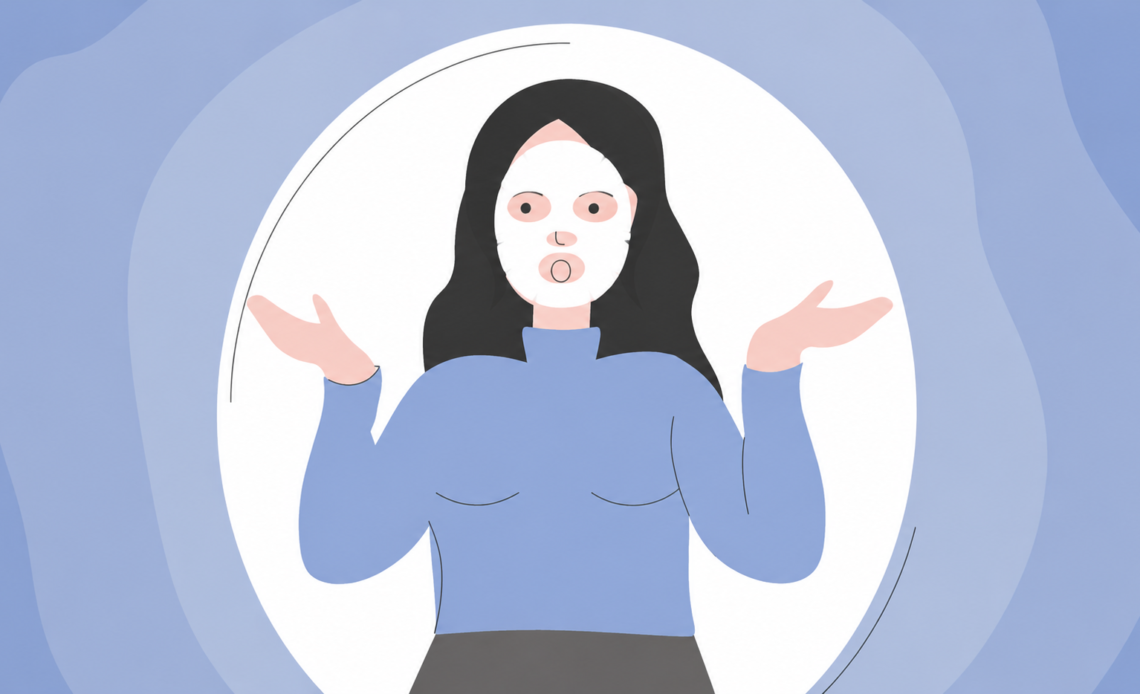
Ever wondered, “What does a sheet mask do to your skin?” Here’s what you’ll learn in this blog:
- Your skin naturally loses moisture throughout the day, which is why it can start feeling dry, rough, and dull.
- A sheet mask creates an occlusive layer that slows moisture loss and helps boost hydration in just 10-15 minutes.
- Hydrated skin cells become plumper, making your skin feel softer and your complexion look naturally brighter.
- Ingredients like hyaluronic acid, ceramides, and squalane each play a unique role in skin hydration, skin barrier repair, and nourishing your skin.
- Regular use of sheet masks goes beyond an instant glow, helping your skin become even-toned, smoother, and more resilient over time.
- Choosing the right sheet mask matters, so look for barrier-supporting, non-irritating ingredients that suit your skin’s needs.
What does a sheet mask do to your skin? Does your skin actually absorb anything from it? How does a sheet mask hydrate the skin instantly? And should you be using one regularly?
These are some questions almost every skincare girlie has wondered about. After all, we’ve all reached for a sheet mask before a big event, after a long day, or simply because our skin needed a little pick-me-up. And just 15 minutes later, our face looked plumper, dewier, and more refreshed.
It almost felt like magic.
But have you really sat down to understand how does a sheet mask work so well?
Well…the answer lies in what’s happening beneath the surface.
How Does A Sheet Mask Work?
A sheet mask creates a protective layer over your skin that slows down moisture loss while allowing the nourishing ingredients it contains to absorb more deeply into the skin layers. The result is improved skin hydration and enhanced skin barrier repair.
Let’s take a closer look at exactly what’s up with your skin before you put on a sheet mask, what changes during those 15 minutes of putting it on, and how regular use can help over time.
First, What is Your Skin Actually Dealing With Before You Put on the Mask?
The outermost layer of your skin is called the stratum corneum. It’s made up of dead skin cells held together by natural lipids (fats), creating a barrier that keeps moisture in while helping keep irritants and pollutants out.
But this barrier isn’t completely airtight.
Blog continues after the ad.
Throughout the day, your skin constantly loses small amounts of water through a natural process called transepidermal water loss (TEWL). In simple terms, water from the deeper layers of your skin slowly evaporates into the air. Factors like dry weather, pollution, and even spending too much time in the AC can speed up this process.
As your skin loses moisture, the cells in the stratum corneum begin to shrink and become less flexible. Due to this, tiny gaps can form in the lipid barrier, making the skin feel rougher and look dull.
While this moisture loss is completely normal and happens to everyone’s skin, a hydrating sheet mask with ceramides can create the ideal environment to slow it down.
What Happens to Your Skin in the 15 Minutes You Wear a Sheet Mask?
A sheet mask may only stay on for 15 minutes, but during that time, your skin goes through several changes that help it feel softer, look brighter, and stay hydrated.
Your Skin Stops Losing So Much Water
The moment you put on a sheet mask, it creates a protective layer over your skin. This is known as the occlusion effect, where the mask helps trap moisture close to your skin.
Research has found that this skin occlusion can boost hydration by up to 50%, leaving your skin feeling more supple.
Your Skin Cells Actually Change Shape
When the stratum corneum is dehydrated, its cells become flatter and slightly shrunken, creating microscopic gaps and a rougher surface.
As water moves back into these cells with a sheet mask, they swell slightly and fit together more evenly. This creates a smoother surface that feels softer, helps makeup glide on more evenly, and gives your complexion a healthy glow.
Your Skin Absorbs More of the Active Ingredients
A sheet mask doesn’t just deliver skincare ingredients, it keeps them in contact with your skin for much longer.
Unlike products applied topically, the sheet helps prevent ingredients from evaporating as quickly, giving actives like hyaluronic acid, ceramides, and squalane more time to absorb and work effectively.
Hyaluronic Acid Enhances Skin Hydration
Hyaluronic acid is a humectant, meaning it attracts and holds water. In fact, studies show that it can bind up to 1,000 times its own weight in water, helping your skin look plumper and instantly hydrated.
Ceramides Support Skin Barrier Repair
Ceramides make up around 50% of your skin barrier’s lipids. They help fill tiny gaps between skin cells, keeping moisture in and helping strengthen your skin barrier.
Squalane Helps Lock In the Glow
Squalane mimics your skin’s natural oils, which start declining in your 20s. It helps seal in hydration, softens rough patches, and leaves your skin feeling smooth without feeling greasy.
Nua’s Sheet Mask brings together all three powerhouse ingredients for improved skin hydration, enhanced skin barrier repair, and long-lasting shine.
What Happens When You Use a Sheet Mask Consistently Over a Few Weeks?
A single sheet mask gives your skin a one-time boost. But regular use of a sheet mask in your skincare routine can lead to a lot of positive long-term outcomes.
- Your skin recovers faster from everyday stressors like pollution, dry weather, air conditioning, and lack of sleep.
- Your skin looks fresher, brighter and more even-toned on an everyday basis.
- Your skin makes a smoother canvas for makeup, helping foundation and concealer sit with less patchiness.
- Your skin feels more comfortable every day, with fewer moments of tightness, roughness, or dryness.
- Your skin is better able to make the most of your skincare routine, allowing your serums and moisturisers to absorb more effectively.
Want to take your skincare routine one step further? Learn how to adapt it to each phase of your menstrual cycle with our guide to cycle-synced skincare.
How Should You Use a Sheet Mask in Your Skincare Routine?
A sheet mask only takes about 15 minutes to show its magic, but a few simple steps can help you get the most out of it. Here’s how to use it for the best results.
Before you apply it
- Start with clean skin: Cleanse your face to remove makeup, sunscreen, oil, and dirt so the mask ingredients can reach your skin more effectively.
- Apply it after toner (if you use one): Toner can lightly dampen your skin, helping hydrating ingredients like hyaluronic acid work even better.
- Choose the right time: Sheet masks work best in the evening or whenever your skin feels dry, tired, or needs an extra boost.
While you’re wearing it
- Make sure it fits well: Smooth out any air bubbles so the mask stays in close contact with your skin for even hydration.
- Lie down if possible: Gravity pulling the mask away from your face reduces contact and occlusion.
- Avoid talking: Movement can break the seal that the mask has created.
- Take the time to relax: Those 15 minutes are a great opportunity to let both your skin and you recharge
After you take it off
- Gently pat in the remaining essence: This helps the leftover product absorb instead of wiping it away.
- Follow with a moisturiser: A lightweight moisturiser helps lock in the hydration your skin has just received.
- Don’t rinse your face: Unless the product instructions specifically say otherwise, let the remaining essence continue working on your skin.
If you’re using it on a particularly reactive skin day, like in the days before your period or have generally drier skin, opt for something more soothing and barrier-focused, like Nua’s Sheet Mask.
Mask It Till You Make It
A sheet mask may only stay on your face for 15 minutes, but a lot is happening during that time. From slowing moisture loss and supporting your skin barrier to helping powerful ingredients like hyaluronic acid, ceramides, and squalane do their best work, it’s much more than just a quick skincare treat.
Whether you’re getting ready for a big day or simply giving your skin the care it deserves, making sheet masks a regular part of your routine can go a long way in keeping your skin healthy, hydrated, and happy.
Still have questions about sheet masks? Check out the FAQ section below or drop them in the comments, and we’ll be happy to answer them!
Cheat Sheet: Quick Sheet Mask FAQs
Still have more doubts? No worries. Here are some of the most common questions about using sheet masks.
How long should you leave a sheet mask on your face?
You should wear a sheet mask for 10-15 minutes. Beyond this, the skin can become overhydrated, and as the sheet dries, it may begin pulling moisture back from your skin, leading to dryness or irritation.
What’s the best time to apply a sheet mask?
The evening is often the best time, but you can also use one before makeup, after sun exposure, or anytime your skin feels dry or tired.
How often should you use a sheet mask per week?
For most skin types, 2–3 times a week is enough. If your skin is very dry or dehydrated, you may benefit from using it more often.
Can you use a sheet mask every day?
Most people don’t need to use a sheet mask every day. A few times a week is enough for regular hydration, unless the product is specifically designed for daily use.
What should you look for in a sheet mask?
You should choose a sheet mask with hydrating and barrier-supporting ingredients like hyaluronic acid, ceramides, and squalane, and avoid formulas containing alcohol, which may irritate your skin.
Not sure how to choose the right products for your skin? Read our guide on the things to keep in mind before buying skincare products.
Disclaimer
The content of this article is provided for general informational and educational purposes only and is not intended to constitute medical advice, diagnosis, or treatment. The information shared is of a general nature and may not be appropriate for all individuals or specific circumstances. Readers should not disregard, delay, or substitute professional medical advice based on the information contained herein.
If you experience any symptoms, notice anything unusual, or have concerns relating to your health or overall wellbeing, you should consult a qualified healthcare professional. While every effort is made to ensure the information shared is accurate and up-to-date, Nua makes no representations or warranties, express or implied, regarding the accuracy, completeness, or suitability of the information provided and disclaims all liability arising from reliance on this content to the fullest extent permitted by law.