What you will learn about UTIs during perimenopause and their causes and prevention in this blog:
- UTIs become more common during perimenopause because falling estrogen weakens your urinary tract’s natural defences against bacteria.
- Changes like thinning urinary tissues, vaginal pH shifts, a weaker pelvic floor, and reduced immunity can all increase your risk of recurrent UTIs.
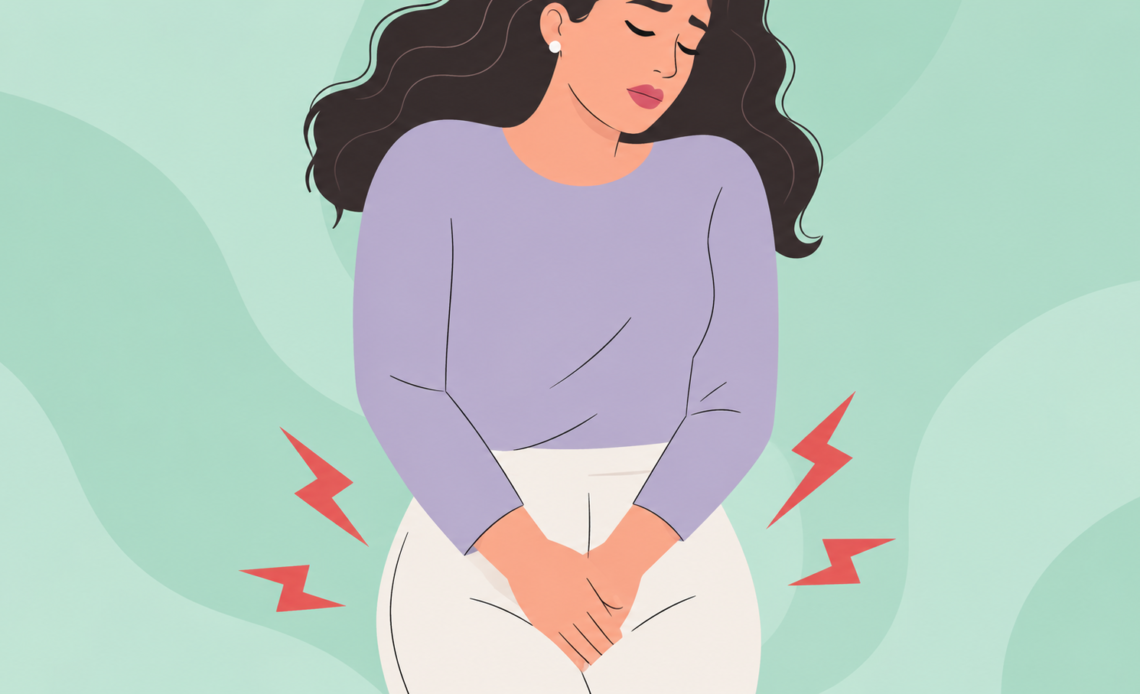
- Common UTI symptoms include burning while peeing, frequent urges to urinate, pelvic discomfort, and feeling like your bladder never fully empties.
- Simple habits like staying hydrated, peeing after sex, wiping front to back, and not holding your pee can go a long way in preventing UTIs.
- Cranberry products may help reduce the risk of recurrent UTIs by making it harder for bacteria to stick to the bladder wall.
- Low-dose vaginal estrogen is one of the most effective long-term treatment options for women with recurrent UTIs linked to menopause.
- Looking after your intimate health with gentle cleansing, pelvic floor exercises, and good hygiene habits can help support your urinary tract during perimenopause.
UTIs during perimenopause and their causes and prevention are something many women don’t think about until they’re suddenly dealing with one infection after another in their 40s. From never getting any, maybe you’ve started getting one every month, or you’re stuck with a recurring one that doesn’t seem to go away.
Unfortunately, it’s all part of perimenopause. Research shows that UTIs become more and more common during perimenopause, with longer disease duration. It’s because as your hormone levels begin to change with age, so does the environment of your urinary tract, making it easier for bacteria to grow and harder for your body to fight them off.
So, let’s break down UTIs during perimenopause, their causes and prevention, along with the simple lifestyle changes that can help keep them from becoming a recurring guest in your life.
First, What is a UTI?
Your urinary tract is the part of your body that makes, stores, and removes urine. It includes the kidneys (which make urine), the ureters (the tubes that carry urine to the bladder), the bladder (which stores urine), and the urethra (the small tube you pee through).
Your body has a natural way of protecting this system. Every time you pee, the flow helps flush out bacteria before they can settle in. The urinary tract also has a protective lining that makes it harder for bacteria to stick.
Blog continues after the ad.

Plus, you’ve healthy bacteria around the vagina that keep harmful bacteria under control, making it less likely for them to travel into the urinary tract and cause an infection.
A urinary tract infection (UTI) happens when the defence system fails, and harmful bacteria enter the urinary tract from outside of the body through the opening of the urethra. Once inside, they can travel upwards and begin multiplying, causing an infection.
In most cases, the infection stays in the bladder, which is why UTIs are often called bladder infections. However, if left untreated, the bacteria can continue travelling up to the kidneys, where the infection becomes much more serious.
Want to understand UTIs in more detail? Read our complete guide on what urinary tract infections are and why they happen here.
What are the Symptoms of a UTI?
A UTI can feel different for everyone, but some of the most common symptoms include:
- A burning or stinging sensation while peeing.
- Feeling like you need to pee all the time, even if only a little comes out.
- Cloudy, strong-smelling, or sometimes bloody urine.
- Pain, pressure, or discomfort in your lower tummy or pelvic area.
- Feeling like your bladder hasn’t emptied properly after peeing.
But Why Do UTIs Increase During Perimenopause?
The connection between perimenopause and recurring UTIs isn’t a coincidence. As your body begins to change during this time, so does the way your urinary tract protects itself from infection.
Estrogen decline leads to thinner urinary tissues
Estrogen does much more than regulate your menstrual cycle. It also helps keep the tissues of your vagina, urethra, and bladder thick, healthy, and well-lubricated.
As estrogen levels begin to fluctuate and gradually decline during perimenopause, these tissues become thinner and more fragile, a condition known as genitourinary syndrome of menopause (GSM).
With a thinner urethral lining, it’s easier for bacteria to attach, multiply, and cause a urinary tract infection during perimenopause.
pH changes reduce the vagina’s protective urobiome
Estrogen also helps maintain a healthy balance of Lactobacilli, the good bacteria that naturally live in the vagina (urobiome). These bacteria keep the vagina slightly acidic, making it difficult for harmful bacteria to grow.
But as estrogen levels fall, Lactobacilli also decrease, causing vaginal pH changes during perimenopause. The vagina becomes less acidic, allowing harmful bacteria to survive and multiply more easily.
Since the vagina sits right next to the urethra, these vaginal changes and UTI risk in midlife women become closely linked, as bacteria have a much easier path into the urinary tract.
This also makes gentle everyday intimate care more important, which is where a pH-balanced cleanser like Nua’s Intimate Wash fits in.
Your bladder isn’t able to empty itself completely
Hormonal changes during perimenopause can also affect your pelvic floor muscles, which support the bladder and help it empty properly.
As these muscles become weaker, some urine may remain in the bladder even after you’ve finished peeing. This leftover urine gives bacteria more time to grow before they’re flushed out, increasing the chances of a urinary tract infection during perimenopause.
Perimenopause can also affect your overall immunity
Perimenopause often overlaps with poor sleep, increased stress, and changes in blood sugar regulation, all of which can affect how well your immune system responds to bacteria.
These changes don’t directly cause a UTI, but together they can make it harder for your body to fight off bacteria before an infection develops. That’s one reason recurring UTIs during perimenopause become more common, even in women who rarely had them before.
How Can You Prevent UTIs During Perimenopause?
The good news is that there are plenty of simple habits that can lower your chances of getting a UTI during perimenopause. While they can’t guarantee you’ll never get one, they can go a long way in reducing the risk.
Stay Well Hydrated
The more water you drink, the more often you pee. And every time you pee, your body gets another chance to flush bacteria out before they settle in and cause an infection.
Don’t Hold Your Pee
It might not seem like a big deal to wait another hour, but regularly holding your pee gives bacteria more time to multiply inside the bladder. So, when nature calls, try not to keep it waiting.
Always Pee After Sex
Sex can sometimes push bacteria closer to the urethra. Peeing soon after sex helps flush them out before they have a chance to travel into the bladder. Afterwards, you can also gently cleanse your vulva with a pH-balanced intimate wash, like Nua’s Intimate Wash, to help wash away sweat and other residue.
Consider Cranberry Supplements
Cranberries may help stop bacteria from sticking to the bladder, making them easier to flush out when you pee. In fact, a study involving over 8,800 people found that cranberry products reduced the risk of UTIs by about 30%, especially in women with recurrent UTIs.
Wipe From Front to Back
It sounds simple, but it makes a big difference. Wiping from front to back helps prevent bacteria from the anal area from reaching the urethra, where many UTIs begin.
Talk to Your Doctor About Vaginal Estrogen
One of the most effective long-term ways to prevent recurring UTIs during menopause is low-dose vaginal estrogen therapy. Available as creams, tablets, or vaginal rings, it helps restore the health of the vaginal and urethral tissues while encouraging the return of protective good bacteria.
Strengthen Your Pelvic Floor
Weak pelvic floor muscles can sometimes make it harder to empty your bladder completely. Regular Kegel exercises may help improve bladder emptying, leaving less urine behind for bacteria to multiply in.
Keep Your Vagina Clean and Dry
Spending hours in sweaty or damp clothes can trap heat and moisture around your intimate area, creating conditions that allow harmful bacteria to thrive. Change into dry clothes whenever possible, and if you’re on the go, Nua’s Intimate Wipes are a gentle way to freshen up until you can shower.
You can also check out our guide to the perfect intimate care routine for more tips on hygiene habits that can help prevent UTI during perimenopause.
When Should You See a Doctor for a UTI During Perimenopause?
A UTI doesn’t usually go away on its own, so it’s best to get it checked as soon as you notice any symptoms. Left untreated, the infection can spread from the bladder to the kidneys, making it much more serious and harder to treat.
And if you’re getting UTIs again and again during perimenopause, don’t brush them off or keep repeating old antibiotics without medical advice. Your doctor can help identify the underlying cause and recommend treatments that reduce the chances of them coming back.
Don’t Let UTIs Steal Your Pee-ce
Getting one UTI is frustrating enough. Getting them over and over again during perimenopause can leave you wondering if this is just your new normal. Thankfully, it doesn’t have to be.
A few simple habits, like staying hydrated, not holding your pee, strengthening your pelvic floor, and speaking to your doctor about treatments like vaginal estrogen if needed, can make a real difference in lowering your risk. And the sooner you recognise the signs of a UTI, the sooner you can treat it before it becomes a bigger problem.
If you’ve got any more questions about UTIs during perimenopause, their causes and prevention, check out the drop them in the comments. We’d be happy to help.
FAQs
1. Why do UTIs become more common during perimenopause?
Falling estrogen levels can thin the tissues of the vagina, urethra, and bladder, while also reducing protective Lactobacilli. These changes make it easier for bacteria to enter and cause a UTI.
2. What are the common symptoms of a UTI during perimenopause?
Common symptoms include burning while peeing, frequent urges to urinate, cloudy or strong-smelling urine, pelvic discomfort, and feeling like your bladder hasn’t emptied completely.
3. How can you prevent recurring UTIs during perimenopause?
Stay hydrated, avoid holding your pee, urinate after sex, wipe from front to back, keep your intimate area clean and dry, and speak to your doctor about preventive treatment if UTIs keep returning.
4. Can vaginal estrogen help with recurring UTIs during perimenopause?
Low-dose vaginal estrogen may help prevent recurrent UTIs by improving vaginal and urethral tissue health and supporting the return of protective bacteria. Speak to your doctor to find out if it is suitable for you.
5. When should you see a doctor for a UTI during perimenopause?
See a doctor as soon as you notice UTI symptoms, as untreated infections can spread to the kidneys. Recurrent UTIs also need medical evaluation to identify the cause and determine suitable treatment.
Disclaimer
The content of this article is provided for general informational and educational purposes only and is not intended to constitute medical advice, diagnosis, or treatment. The information shared is of a general nature and may not be appropriate for all individuals or specific circumstances. Readers should not disregard, delay, or substitute professional medical advice based on the information contained herein.
If you experience any symptoms, notice anything unusual, or have concerns relating to your health or overall well-being, you should consult a qualified healthcare professional. While every effort is made to ensure the information shared is accurate and up-to-date, Nua makes no representations or warranties, express or implied, regarding the accuracy, completeness, or suitability of the information provided and disclaims all liability arising from reliance on this content to the fullest extent permitted by law.